- Binance founder Changpeng "CZ" Zhao dismisses claims that the exchange caused the October 10, 2025, flash crash, attributing it to external factors like tariff announcements.
- The crash triggered $19-28 billion in deleveraging and $1.75 billion in liquidations, with Binance committing $1 billion from its SAFU fund to Bitcoin and paying ~$283 million for de-pegging incidents.
- Amid global regulatory scrutiny, Binance is negotiating with the U.S. DOJ to remove its external monitor, while critics demand transparency over alleged industry damage.
Changpeng "CZ" Zhao, co-founder of Binance, has firmly rejected accusations that the world's largest cryptocurrency exchange was responsible for the October 10, 2025, crypto flash crash, calling such claims far-fetched in recent statements. He pointed to external factors, including tariff announcements, as the primary drivers of the market turmoil, rather than any platform issues. This comes as Binance continues its compensation efforts, having already paid about $600 million to users affected by technical glitches during the event, according to people familiar with the matter.
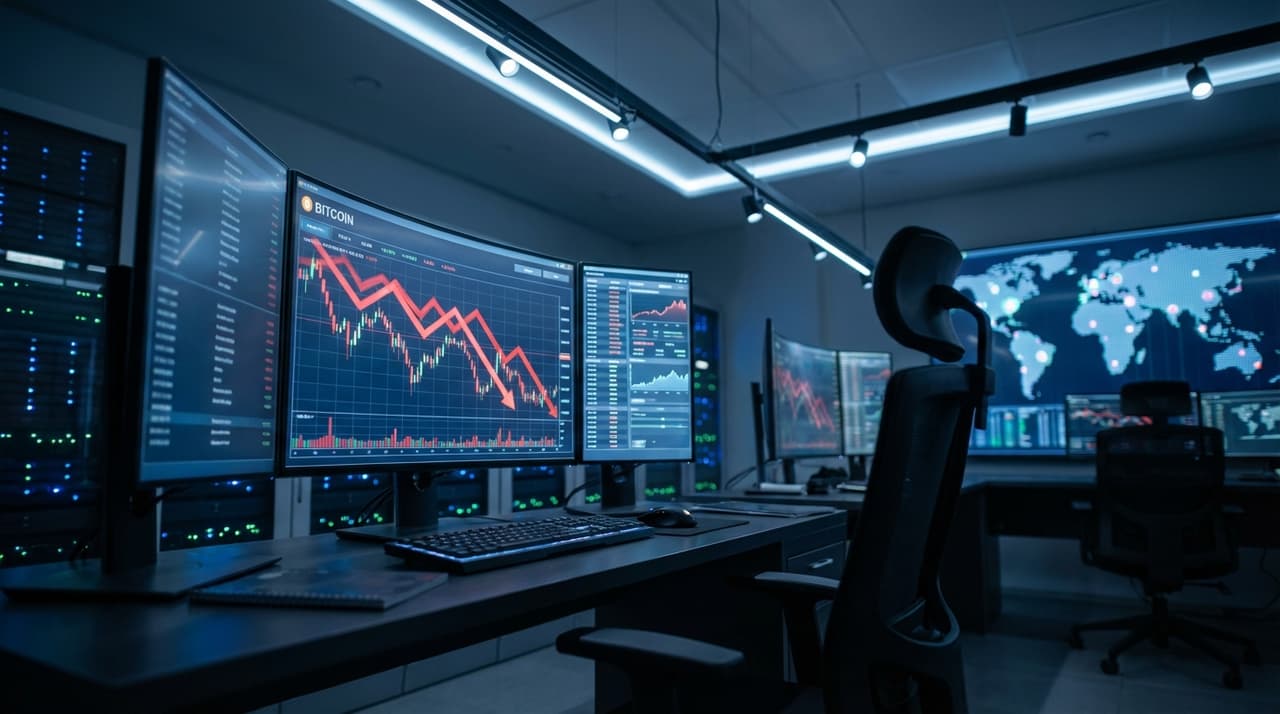
The crash, which saw Bitcoin plunge to around $82,000—down 25% from above $120,000 in three months—resulted in significant market upheaval. It triggered $19-28 billion in deleveraging and $1.75 billion in liquidations, contributing to a 20% drop in the total crypto market cap to approximately $3.2 trillion. In response, Binance committed $1 billion from its Secure Asset Fund for Users (SAFU) to Bitcoin for market stabilization and announced a $400 million recovery plan, plus a $45 million airdrop for affected users. Efforts to address the fallout have been ongoing, with Zhao noting that affected customers have been made whole, though markets remain unrecovered.
Amid this, Binance faces heightened regulatory scrutiny globally. The exchange is regulated in Abu Dhabi and monitored by U.S. authorities following a 2023 settlement that saw CZ step down as CEO, with Richard Teng now leading the company. Currently, Binance is negotiating with the U.S. Department of Justice to remove its external monitor, originally set through 2027, in exchange for enhanced compliance measures, according to sources close to the discussions. This potential deal could ease oversight, but it comes as the DOJ has seized significant Bitcoin in related cases, raising questions about broader political contexts, such as a Trump-endorsed Strategic Bitcoin Reserve.
Critics, however, remain vocal. Figures like OKX's Star Xu and ARK's Cathie Wood have demanded transparency, labeling CZ a "fraud worse than SBF" and linking the crash to alleged profit-taking and insider trading. On Crypto Twitter, debates over fear, uncertainty, and doubt (FUD) have sparked, with retail traders losing trust—about 1.6 million were "zeroed out" during the event. Zhao has urged a focus on "positive improvement," but experts note persistent ecosystem weakness, with over 90% of Binance's listed tokens below their post-launch highs. The historical context echoes past flash crashes, such as the 2022 LUNA/FTX collapses, involving UI glitches and de-pegging after tariff news.
Looking ahead, short-term aftershocks from the $28 billion deleveraging are expected to continue, with major cryptos like Ethereum also falling double-digits amid U.S. monetary policy uncertainty. The broader economic landscape includes declining tech stocks and rising gold and silver, exacerbated by exchange outages. Without a resolution to the ongoing negotiations with the DOJ, Binance could face further regulatory hurdles, potentially impacting its operations in regulated hubs. For now, CZ's re-engagement, signaled by his updated X bio to "@binance" in mid-September 2025, suggests he remains influential, even as the company navigates these choppy waters. Correction: An earlier version misstated the amount of deleveraging; it has been updated to reflect the range of $19-28 billion.