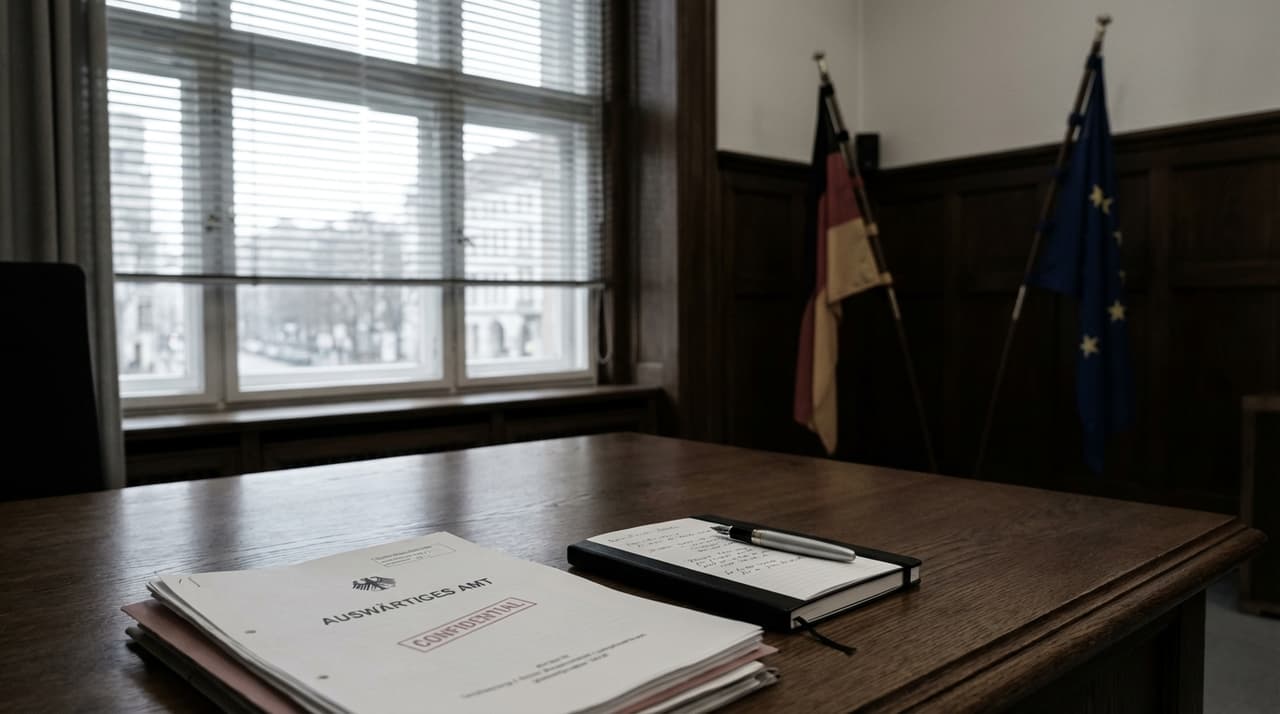
- German Chancellor Friedrich Merz states the Iranian government faces imminent collapse due to protests and international sanctions.
- Western nations intensify economic pressure with UN snapback sanctions, EU bans, and US oil fleet sanctions targeting Iran's shadow operations.
- Iran's rial collapse and oil export evasion efforts create economic turmoil as protests escalate with political demands.
German Chancellor Friedrich Merz's stark declaration that the Iranian government's days are numbered marks a significant escalation in Western rhetoric, coming amid nationwide protests and coordinated international sanctions pressure. According to people familiar with the matter, Merz's comments reflect a broader shift in European policy from diplomatic engagement to outright isolation of Tehran.
Protests triggered by economic woes, including the rial's sharp decline in late December 2025, have escalated into political demands, with death toll estimates from the regime's crackdown ranging from 3,919 to over 20,000. In response, the UK, France, and Germany triggered the UN snapback mechanism in October 2025, restoring sanctions on Iran's nuclear and missile programs—a move that effectively dismantles remnants of the JCPOA framework.
Recent actions have tightened the economic noose further. On January 23, 2026, the US Office of Foreign Assets Control (OFAC) sanctioned eight entities and nine vessels in Iran's shadow oil fleet, targeting hundreds of millions in oil revenue. "We're seeing unprecedented coordination between Western allies to cripple Iran's financial lifelines," said one European diplomat, speaking on condition of anonymity. The EU has proposed bans on Iran's drone and missile technology exports, along with further measures against protest repression, nuclear activities, Russia support, and terrorism.
Germany is pushing for the EU to list the Islamic Revolutionary Guard Corps (IRGC) as a terrorist organization, while the UK plans sectoral sanctions on Iran's finance, energy, and transport sectors. These efforts aim to impair Iran's ability to support Russia militarily and fund proxy groups, though oil export evasion via the shadow fleet may blunt some impact. EU wind-down exemptions ended on January 1, 2026, tightening controls on petrochemicals, energy, and dual-use technology.
Economic factors are central to the crisis. Sanctions have hit Iran's oil exports hard, despite evasion attempts, worsening public fury as the rial collapses. The US has proposed 25% secondary tariffs on countries trading with Iran, though details remain pending. This isolates Iran economically, even as Gulf states pursue détente with Tehran, creating a complex geopolitical landscape.
Political context shows a clear EU shift, with leaders like Ursula von der Leyen and Kaja Kallas citing human rights abuses, nuclear breaches, Russia arms support, and hybrid attacks. Germany emphasizes financial pressure over military action, while Iran has retorted by criticizing Germany's stance on Gaza, highlighting tensions. UN snapback and IRGC sanctions under UK law are tightening controls, with stakeholders including protesters seeking external solidarity, Iranian elites facing bans, and businesses navigating sanctions.
Societal impact is profound, with protests reflecting public anger over repression—such as a family killed in Karaj on January 9—and sparking debates on regime change versus civil war risks. Tehran dismisses Western actions as "double standards," but the pressure is mounting. In a brief statement, an Iranian official, who requested anonymity, said, "These sanctions only hurt ordinary people and won't change our course."
Looking ahead, short-term prospects include expanded EU and UK sanctions likely to impair Iran's Russia support and finances, with protests potentially intensifying. Merz predicts the regime's demise, but critics warn of risks like civil war, refugee crises, unbound militias, and missile threats. Related developments include German Vice President Heusgen echoing Merz's stance and pushing for IRGC EU listing, paralleling US strikes on Iranian proxies in mid-January 2026.
Correction: An earlier version misstated the timing of the UN snapback mechanism; it was triggered in October 2025, not 2026.