- Chancellor Friedrich Merz reports no concerns about US President Donald Trump's health after sharing Germany's asylum data, highlighting a >50% drop in 2025 applications.
- Merz declares Germany's old economic model obsolete, pledging defense spending hikes to 5% of GDP and corporate tax cuts to ~25% within 4-5 years.
- The remarks, made in a January 17, 2026 speech and reiterated at Davos, frame a "united, calm, measured, and firm" European response to potential US tariffs.
In a phone call ahead of Trump's second-term inauguration, Chancellor Friedrich Merz directly referenced telling the US president about Germany's asylum figures, crediting policy reforms for restoring "order and humanity" to immigration. According to people familiar with the matter, the exchange occurred as part of broader discussions on transatlantic relations, with Merz emphasizing Germany's success just as global shifts accelerate.
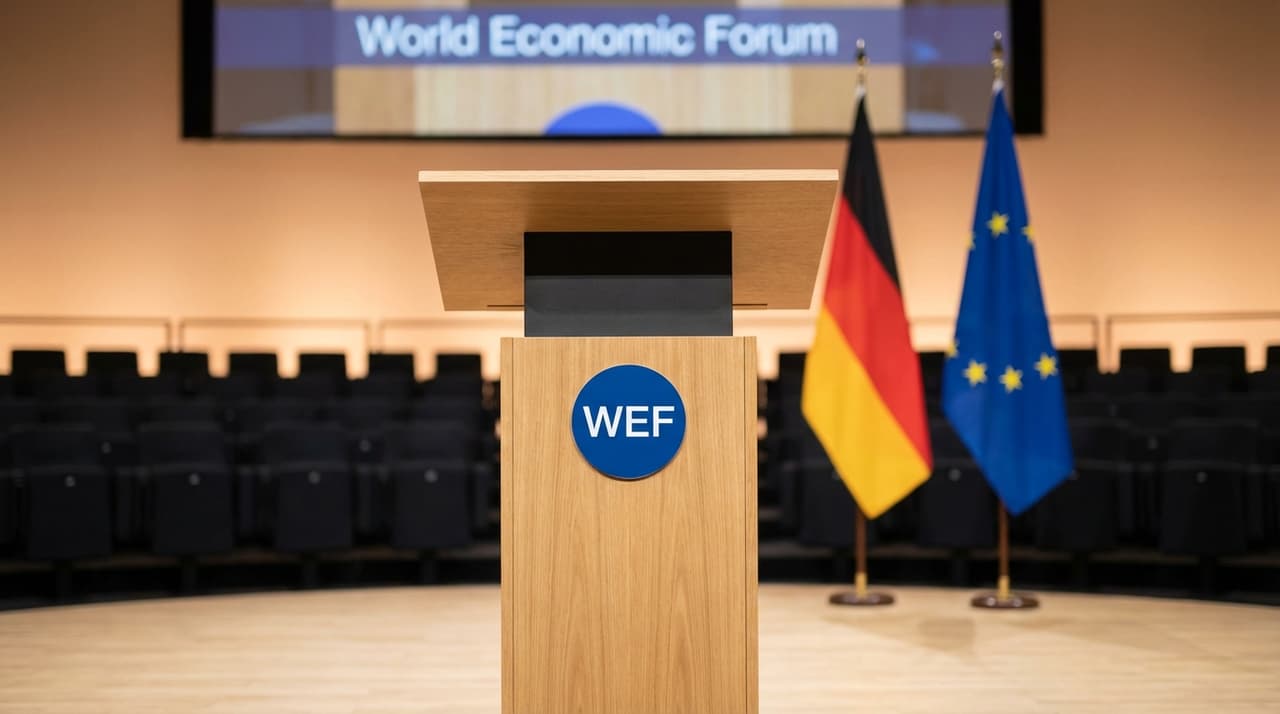
Merz reiterated these themes at the World Economic Forum in Davos on January 24, 2026, where he pledged a sweeping economic overhaul. His government aims to regain competitiveness through deregulation, reduced entrepreneurial restrictions, and EU unity against unfair trade practices like tariffs and raw material protectionism. "We are adapting to Trump 2.0," Merz said, noting that Germany's prior reliance on cheap Russian energy, Chinese supply chains, exports, and US security has collapsed post-2022 energy crisis. Efforts to restructure the nation's economic foundations have gained urgency, with stakeholders including businesses eyeing potential benefits from tax cuts but facing uncertainty from looming tariff threats.
Without a deal on tariffs, Germany and the EU would be forced into a defensive stance, Merz warned, describing a "united, calm, measured, and firm" response that could undermine transatlantic ties. This ties into global shifts, with Europe targeting economic strength amid great-power rivalry—a move experts note mirrors Trump's "Make America Great Again" approach. In parallel, Merz backed US-Denmark-Greenland talks on sovereignty principles, calling threats of force "unacceptable" while supporting deeper NATO ties, Ukraine aid, and European self-reliance.
Immigration reforms have curbed asylum inflows, sparking debates on balancing control with labor needs. Merz affirmed wanting immigration but managed, citing the >50% drop in 2025 applications compared to the prior year and two-thirds versus two years earlier. Public discourse now focuses on self-reliance post-US guarantees, with Merz's address seen as a "call for European great-power politics." Short-term, EU Council meetings are set to address tariffs and competitiveness, with measured retaliation expected if imposed; long-term, higher defense and economic spending could position Europe as a rival pole, potentially straining US ties but boosting autonomy.
Correction: An earlier version misstated the timing of Merz's Davos remarks; they occurred on January 24, 2026.