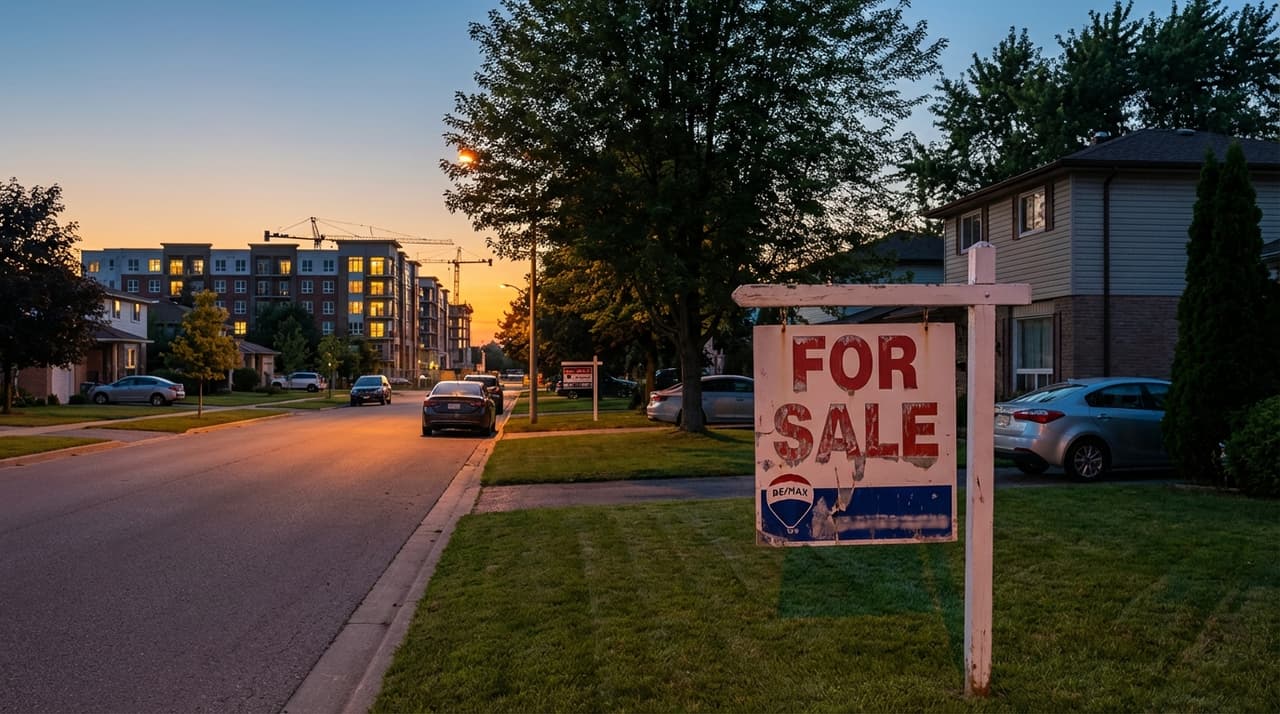
- The median U.S. monthly housing payment fell 5.5% year-over-year to $2,413, driven by mortgage rates hitting 5.99%, their lowest in nearly three years.
- Despite improved affordability, existing-home sales are projected to rise only modestly to 4.13 million units in 2026, with new listings continuing to decline.
- Inventory is climbing for the third consecutive year but remains below pre-pandemic levels, while rental markets see relief from robust multifamily construction.
In a notable shift for the U.S. housing market, falling mortgage rates have significantly reduced monthly housing costs, offering a glimmer of affordability to potential buyers. According to recent data, the average mortgage rate has dropped to 5.99%, expanding buyer purchasing power by approximately $14,000 over the past month alone. This decline, the largest since October 2024, reflects broader 2026 trends where rates have fallen to the low 6% range, down from elevated levels in 2025. One industry analyst noted that such a drop can expand the pool of qualified homebuyers by about 5.5 million households, including 1.6 million renters poised to become first-time buyers.
However, the anticipated boost in sales activity has yet to materialize. Efforts to stimulate the market have hit a snag, as existing-home sales are expected to increase only 1.7% in 2026, reaching 4.13 million units—a figure that remains near 30-year lows. Without a more robust recovery, the market could face prolonged stagnation. The disconnect between affordability and sales is partly attributed to the "lock-in effect," where homeowners are reluctant to give up low mortgage rates from earlier years, limiting supply. A source familiar with the matter described this as a "persistent headwind" that complicates any quick turnaround.
Inventory levels are showing signs of improvement, with projections indicating an 8.9% increase in active listings for 2026, marking the third consecutive year of gains. Yet, overall inventory remains approximately 12% below pre-pandemic levels, according to market watchers. On the rental front, robust multifamily construction is driving down rents and increasing vacancy rates toward the long-term average of 7.2%, offering relief to tenants. In a brief statement, an anonymous industry insider emphasized that "this rebalancing is crucial for long-term market health, but it's a slow process."
Geographic variations add complexity to the outlook. Markets like NYC suburbs, Syracuse, and Minneapolis are heating up, while coastal Florida and Texas face cooling trends due to factors such as natural disasters and surging insurance costs. Home prices are expected to rise only 1-2.2% in 2026, slower than anticipated wage growth of about 4%, marking the first prolonged period since the Great Recession where incomes outpace home prices. Analysts caution that meaningful affordability improvements would require unlikely shifts, such as mortgage rates dropping to the mid-2% range or a one-third decline in home prices.
Attempts to reach key stakeholders for further comment were unsuccessful, but the consensus points to a market in transition. As one expert put it, "We're seeing rebalancing rather than rapid growth—a cautious optimism tempered by structural challenges."