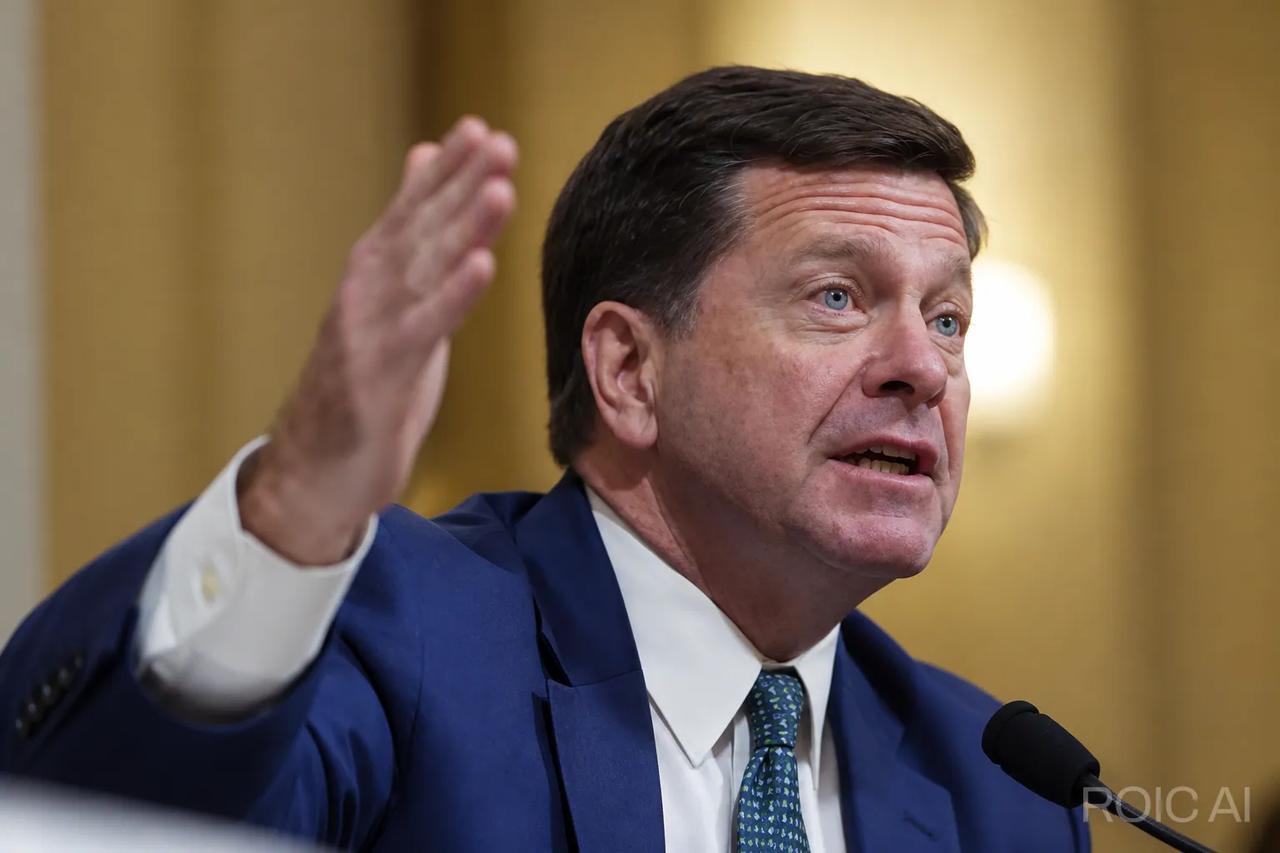
- Director of National Intelligence Jay Clayton will also serve as acting national cyber director until Kirsten Davies is confirmed by the Senate.
- Davies, currently the Pentagon's CIO, will join the Office of the National Cyber Director (ONCD) as a senior adviser while awaiting confirmation.
- The move concentrates three portfolios—intelligence, AI, and cyber—under Clayton, raising concerns about a stretched DNI and a depleted ONCD.
Clayton Takes on Acting Cyber Role
Director of National Intelligence Jay Clayton will also serve as acting national cyber director, according to reports from Axios and the Washington Post. The move comes as the administration seeks to fill the top cyber post following the departure of Sean Cairncross.
Clayton, who already oversees 18 intelligence agencies and chairs a White House AI task force, will hold the acting role until Kirsten Davies, Trump's nominee for the position, is confirmed by the Senate. Davies, currently the chief information officer at the Pentagon, will work under Clayton as a senior adviser in the Office of the National Cyber Director (ONCD) while she waits for confirmation.
A White House official said strong support for Davies led Trump to nominate her permanently instead of leaving her as acting director.
Cairncross Exit and Davies Nomination
Cairncross, who had served as director since August 2025, was pushed out on Nov. 19. Reports suggest new chief of staff Stephen Miller wanted him gone because he lacked strong cyber credentials, though Axios sources said Cairncross resigned on his own, leaving conflicting accounts. On Nov. 20, Trump said he "didn't think that person was good enough."
Politico tied the exit to the departure of Cairncross's ally Susie Wiles and to his uneven handling of this spring's rollout of powerful new AI models. The Hill reported friction with Treasury over AI work.
Davies, the Pentagon CIO, was initially described in early reports as acting director, but the White House did not confirm whether she was acting or a nominee. Clayton now fills the acting role.
A Concentration of Portfolios
The arrangement puts cyber policy under Clayton's purview alongside his intelligence and AI responsibilities. Wikipedia lists him as the White House AI czar since October 2026, and he chairs a White House AI task force. Critics question the administration's commitment to cybersecurity and its readiness for AI-enhanced threats, though no reporting has yet emerged on reactions to Clayton's dual role specifically.
Last week's outages hit Microsoft 365 (NASDAQ:MSFT), Apple (NASDAQ:AAPL) products, a government aviation communications system, and major banks, disrupting more than 18,000 flights. Clayton told a House hearing on Nov. 18 that officials found no evidence of coordinated or state-sponsored attacks. He also said one agency was upgrading its systems in response to PHP vulnerabilities.
The ONCD advises the president and coordinates federal cyber strategy. Its projects include regulatory harmonization and critical-infrastructure pilots, and it lost several top aides during 2026.
Confirmation Timing Tightens
The Senate flips to Democratic control in January, so confirmation timing is tight. Politico reports a nominee would have to move through the lame-duck session. Notre Dame professor Chapple called Davies "highly qualified" and the right kind of person for a crisis, while noting that leadership transitions are hard at such a time.
Short term, observers will watch whether Davies gets a hearing before January. Failing that, a Democratic Senate could slow or reshape the confirmation. The long-term risk is a stretched DNI managing a small, depleted office, while the benefit is closer integration of intelligence and cyber policy. Officials holding more than one role are common in this administration; Politico calls this "another kind of dual hat."
Related news: The CISA director nominee, Michael LoSapio, had a contentious confirmation hearing on Nov. 19. CNN reports Clayton also discussed an "Nvidia (NASDAQ:NVDA) scandal" and Trump calling Putin a "friend" on Sunday shows, calling the Putin remark "entirely appropriate."