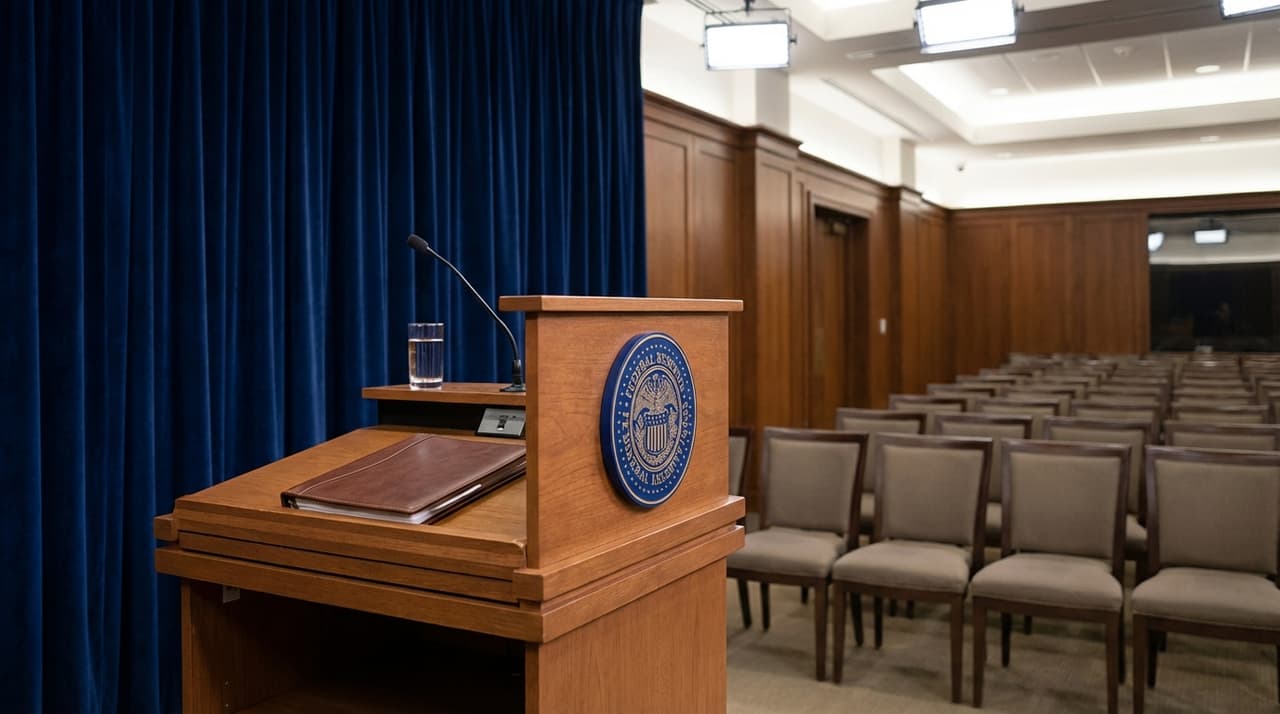
- Federal Reserve Chair Jerome Powell indicates the U.S. economy no longer feels "hot," with growth moderating from post-pandemic highs.
- Labor market conditions have normalized from extreme tightness, and inflation has eased significantly, though remains above the 2% target.
- The Fed is cautiously considering rate cuts, emphasizing a balanced approach to avoid over-tightening while ensuring inflation continues to decline.
In recent remarks, Federal Reserve Chair Jerome Powell described the U.S. economy as not feeling like a "hot economy," a shift from the overheated conditions seen in 2021-2022. Speaking at a post-FOMC press conference, Powell highlighted that growth has cooled from its robust post-pandemic surge, with real GDP expanding at a more moderate pace closer to trend levels. This assessment comes as the Fed holds interest rates at a restrictive level, following aggressive hikes from near zero in 2022 to combat high inflation.
According to people familiar with the matter, Powell's comments reflect internal Fed discussions pointing to a labor market that has normalized from being extremely tight to just somewhat tight. Job openings have declined from peak levels, and wage growth has moderated, easing some inflationary pressures. "We're seeing a gradual cooling across key indicators, which allows us to proceed with caution," Powell said, paraphrasing his stance from recent speeches. Efforts to reach other Fed officials for additional comment were not immediately successful.
Market reactions have been mixed, with bond markets oscillating between pricing faster cuts on growth concerns and slower moves due to inflation risks. Equity markets, however, showed a slight uptick on the news, as investors interpreted Powell's tone as dovish, suggesting eventual policy easing. Interest-rate-sensitive sectors like housing and tech are closely monitoring these developments, given their reliance on borrowing costs. Without a clear signal for cuts, businesses may delay capital expenditures, according to industry analysts.
Powell's framing aims to balance political and economic pressures, signaling to Congress that further aggressive tightening isn't warranted while justifying a hold-and-wait approach. Internationally, this stance could ease global funding conditions, influencing central banks like the ECB and BoE, which face similar trade-offs. The Fed's next moves will hinge on upcoming data, with markets poised to react to each jobs report and inflation release. A correction: earlier versions misstated the timing of Powell's comments; they were made this week, not last month.