- Traders have reduced the probability of a December Fed rate hike, no longer fully pricing in a quarter-point increase.
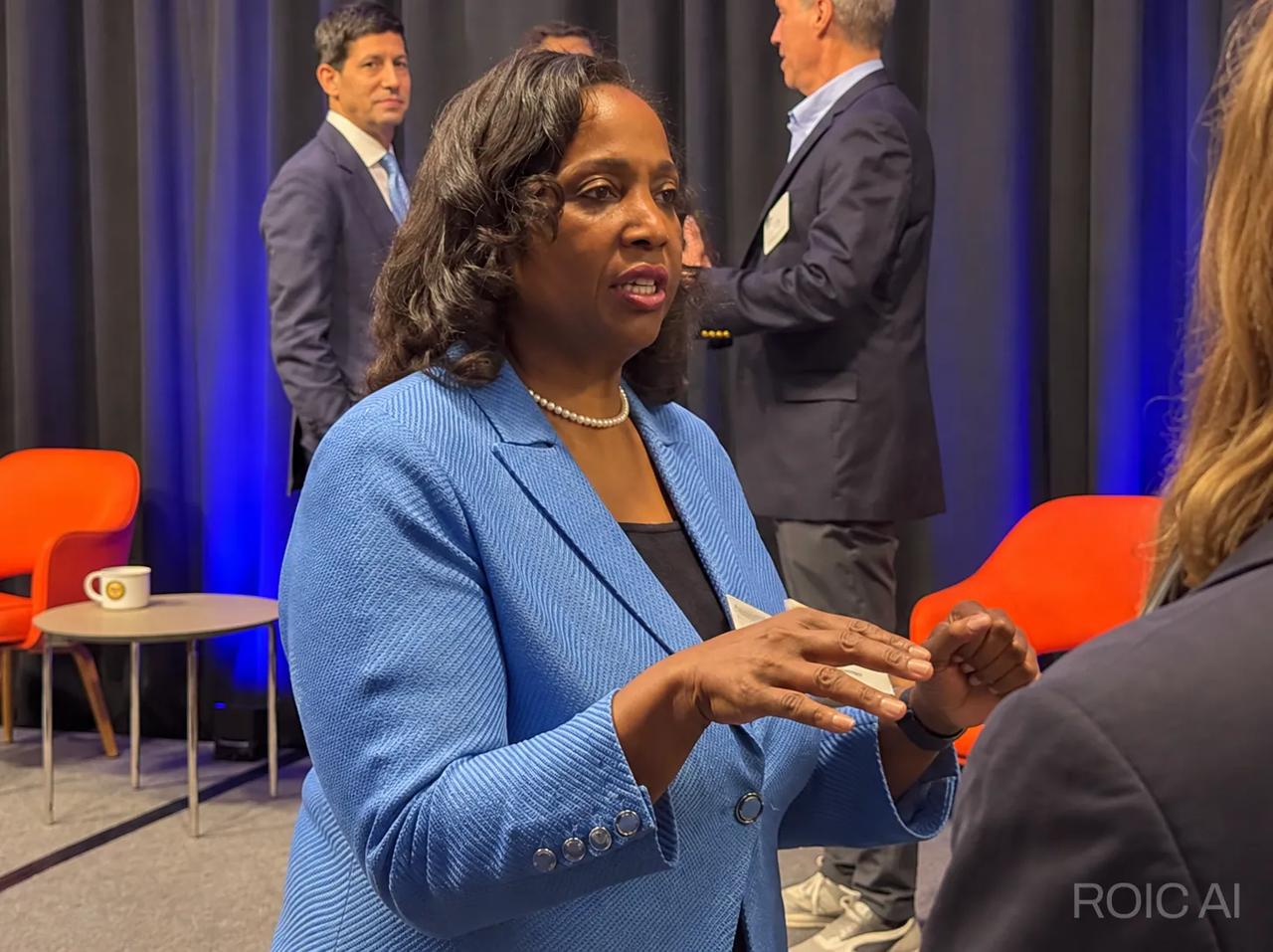
- The shift comes despite Fed Governor Lisa Cook's comments that inflation remains too high and further tightening may be needed.
- Market expectations now hinge on the size of any move and the pace of subsequent hikes, with economists divided on whether December ends the cycle.
Traders have scaled back their expectations for a December rate increase by the Federal Reserve, no longer fully pricing in a quarter-point hike at the central bank's December 8-9 meeting, according to market participants. The shift in positioning marks a departure from earlier expectations and comes amid a broader debate over the pace of monetary tightening.
The change in market-implied probabilities suggests that some investors see a growing chance that the Fed could hold off on raising rates next month, or that the increase could be smaller than previously anticipated. However, the move may also reflect a rebalancing of probabilities between a quarter-point and a half-point increase, rather than a signal that a pause is imminent.
Cook Warns on Inflation
The adjustment in market expectations comes despite forceful comments from Fed Governor Lisa Cook, who said earlier on Friday that inflation remains too high and that September's rate increase was insufficient. Cook warned that delaying further increases could require more damaging action later. The current federal-funds target range stands at 3.75%-4.00%.
"Inflation is still too high, and the September hike was not enough," Cook said, according to prepared remarks. She added that the Fed must remain vigilant to avoid having to play catch-up later.
Her remarks underscore the delicate balance the central bank faces as it tries to tame inflation without derailing economic growth. Cook described growth as "strong and accelerating" and the labor market as "solid," which reduces the case for waiting solely to protect employment.
Divided Committee
The October meeting minutes, released on November 18, revealed divisions among policymakers over the pace and communication of tightening. Christopher Waller has advocated considering a half-percentage-point increase in December, while other officials favor more gradual moves. The split complicates the outlook for the December decision and could keep market volatility elevated.
Economists are also divided. A Reuters (NASDAQ:TRI) poll conducted November 6-10 showed that all 101 economists expected a quarter-point increase in December, to 4.00%-4.25%. However, 56 economists expected December to end the hiking cycle, while 45 anticipated at least two further increases. The median forecast did not see inflation returning to the Fed's 2% target until at least 2028.
Major banks have been adjusting their forecasts. J.P. Morgan (NYSE:JPM) revised its outlook on November 19 to include quarter-point increases in December, January and March, aligning with Bank of America (NYSE:BAC) and Deutsche Bank (NYSE:DB). These forecasts are not official Fed decisions but reflect growing expectations of a longer tightening cycle.
Market Context
Higher-rate expectations have supported the dollar and pressured gold, with the yellow metal hitting a 14-month low on November 19 amid dollar strength. Global bond yields have also repriced higher, driven by elevated energy prices and geopolitical uncertainty.
Yet there is a counterpoint: longer-term market inflation expectations have declined. Five-year-forward inflation expectations were at their lowest since April, suggesting investors distinguish between persistent near-term inflation and the longer-run outlook.
The debate over communication has added to market uncertainty. Chair Kevin Warsh has avoided detailed forward guidance, while colleagues have spoken frequently about their preferred policy paths. Supporters of that approach emphasize flexibility; critics argue that less direction from the chair leaves markets struggling to identify the committee's likely decision.
The Fed cut rates three times in 2025, totaling three-quarters of a percentage point, before raising rates in September 2026—the first increase since 2023—and pausing in October. If December proves to be the final increase, it would be the shortest Fed hiking campaign in more than a decade.
Traders will closely watch upcoming inflation and employment readings for further clues. LPL Financial (NASDAQ:LPLA) chief economist Jeffrey Roach expects improving inflation readings to keep the Fed to a quarter-point move in December, although he also anticipates further tightening in the first quarter of next year. Cook's warning points to the opposite risk: insufficient progress on inflation could ultimately require faster or larger increases.
The most consequential unresolved questions are the size of any December move and the extent of tightening in 2027. For now, market pricing suggests that a December hike is not a done deal, but the debate is more about the magnitude and pace of tightening than about a pause.