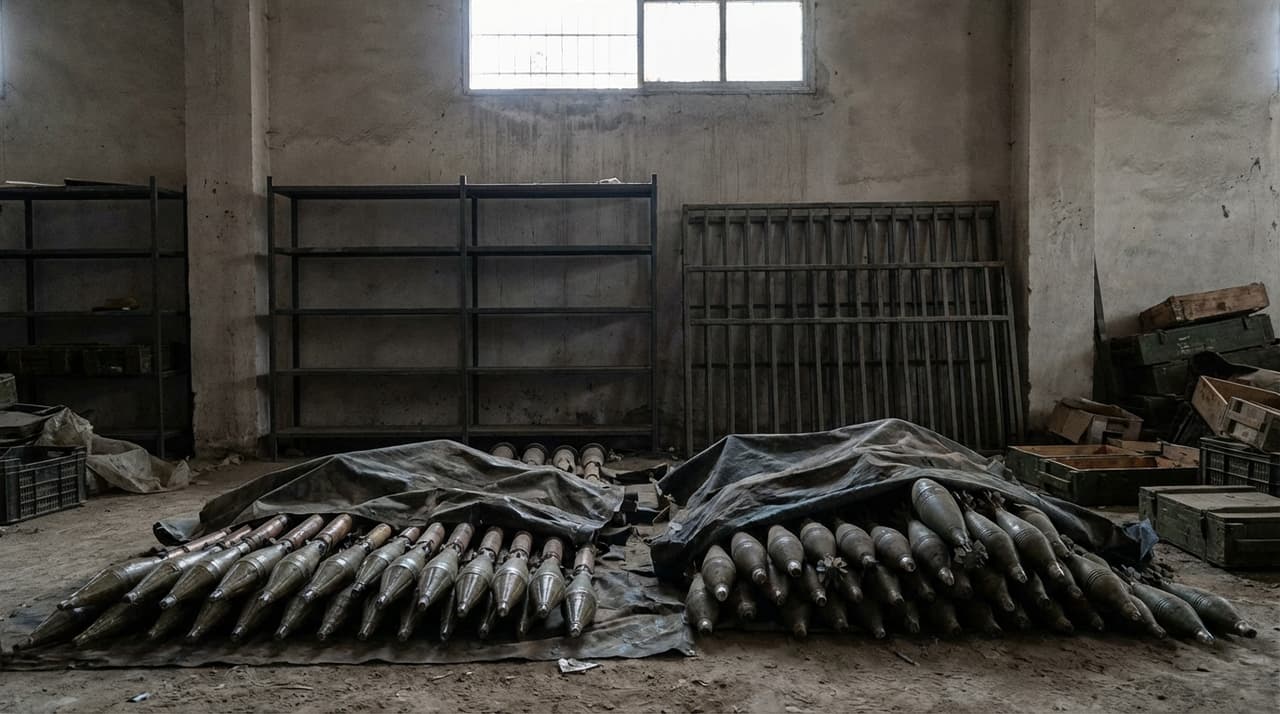
- Hamas has agreed to disarm heavy weapons like RPGs and rockets as part of Phase 2 of a U.S.-brokered Gaza ceasefire plan, with compliance required within days or weeks.
- The disarmament is a precondition for international donor funding for Gaza reconstruction, with 59 countries supporting the plan and ready to act against non-compliance.
- Implementation involves building a local Palestinian police force and an International Stabilization Force, with amnesty offered to Hamas members who surrender weapons.
A Critical Juncture for Gaza Peace
President Donald Trump, speaking at the World Economic Forum in Davos on January 21-22, 2026, declared that Hamas appears poised to disarm under a U.S.-brokered agreement, setting a tight timeline of "the next two or three days" or "weeks" to verify compliance. This follows the return of all Israeli hostages—both living and dead since 2014—which paved the way for Phase 2 of the ceasefire plan, focused on demilitarization, governance, and reconstruction.
U.S. officials, who requested anonymity due to the sensitivity of ongoing negotiations, confirmed that Hamas leaders are engaged in discussions about a disarmament program. The plan offers amnesty to those surrendering heavy arms, such as rockets and RPGs, while establishing a local Palestinian police force and an International Stabilization Force to secure Gaza. "Without demilitarization, donors will not contribute to reconstruction," one official noted, highlighting the economic stakes. Efforts to restructure Gaza's security have hit a snag in the past, but current talks show renewed momentum.
Israeli Prime Minister Benjamin Netanyahu echoed the U.S. stance in a Knesset address on January 26, stating Israel would enforce disarmament "the easy way or the hard way." This alignment comes as the U.S. overrides some Israeli objections to advance implementation, with Secretary of State Marco Rubio suggesting partial retention of small arms might be negotiated. Hamas has given mixed signals but cooperated on returning the last hostage body, fulfilling a key ceasefire precondition. According to people familiar with the matter, U.S.-Hamas contacts have included meetings via Turkish representatives.
Implications and Market Reactions
The disarmament push is tied to a broader 20-point Gaza peace plan, with Phase 2 shifting from ceasefire to long-term stability. Trump launched a new "Board of Peace" at Davos, involving over 10 leaders including UAE's Sheikh Mohamed, to oversee implementation. Global involvement from 59 countries, including non-Middle Eastern ones, signals potential economic commitments for stabilization, but without a deal, the region could face renewed conflict. Senator Lindsey Graham praised Trump's firmness, saying, "This is a real test of Hamas's intentions," while critics doubt compliance without force.
For Palestinians, the transition to non-Hamas policing and governance could stabilize Gaza but challenges those viewing arms as resistance legitimacy. Israelis gain security post-hostage returns, with public reactions ranging from optimism to skepticism. In the short term, compliance verification in coming weeks could unlock reconstruction funds, but non-compliance risks Israeli or U.S.-backed military action—Trump warned Hamas would be "blown away" if it fails. Experts see it as a "real possibility" via phased heavy-weapon surrender, but past precedents, like failed 2014 hostage recoveries, loom large.
Correction: An earlier version misstated the number of hostages returned; all 20 living and dead since 2014 have been recovered.