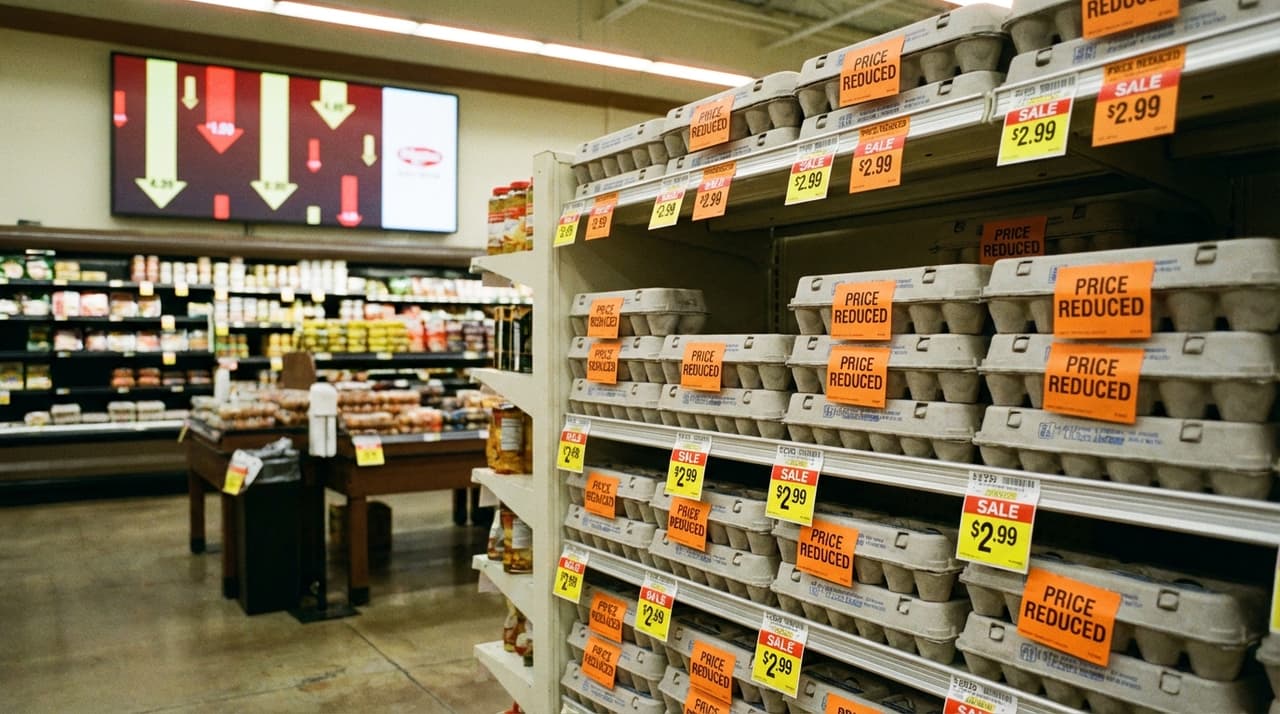
- Inflation has dropped to 2.7% in November 2025, the lowest since Trump's second term began, with core inflation at a nearly five-year low.
- The administration credits tax cuts, spending reductions, and tariffs for the decline, though critics note easing began before inauguration.
- Households see relief in specific areas like eggs and mortgage rates, but broader economic indicators suggest potential slowdown risks.
Inflation Metrics Show Sustained Decline
Inflation fell to 2.7% in November 2025, marking the first overall price decline since 2020 and representing a significant drop from the peak near 9.1% during the previous administration, according to recent economic data. Core inflation, which excludes volatile food and energy prices, reached its lowest point in nearly five years. The Trump administration has seized on these numbers, with the president stating in a December 19 speech that "inflation will take care of itself" under his policies, pointing to an average rate of 2.7% since his second term began.
Specific sectors show notable improvements: egg prices have declined substantially, butter costs have fallen, and housing expenses have eased with mortgage rates dropping 12% to 6.19%. These developments come amid real wage gains of approximately 4%, translating to over $700 in additional purchasing power per worker, according to people familiar with the matter. Food price increases have slowed to 1.2% in 2024 compared to 5% previously, though grocery costs continue to rise overall despite the egg price relief.
Policy Framework and Economic Context
The administration's approach combines several elements: tax cuts including exemptions for tips, overtime, and Social Security; spending reductions aimed at cutting deficits by trillions; and tariffs on imported goods. White House officials argue these measures have created conditions for inflation to self-correct, though the full impact of tariffs may lag by up to one year, according to industry sources. Efforts to address specific pain points include allocating $1 billion toward egg price stabilization.
Market observers note that shelter inflation has fallen to a four-year low while consumer sentiment has improved, creating what one analyst described as "a mixed but generally positive picture." However, unemployment figures hint at potential wage pressure that could complicate the inflation narrative. The administration has halted certain appliance standards implemented under the previous administration, framing them as unnecessary regulatory burdens that contributed to price increases.
Stakeholder Reactions and Forward Outlook
Small business optimism has increased alongside holiday sales figures, with workers regaining purchasing power lost during the 2022 inflation spike. Yet economists caution against reading too much into single-month data, noting that inflation began easing before the current administration took office and that the 2.7% rate might signal economic slowing rather than pure policy success. "What we're seeing could represent normalization after post-pandemic disruptions, but the trajectory bears watching," said one financial analyst who requested anonymity to speak freely about political sensitivities.
Short-term projections suggest more declines are possible through existing policies, with deficit reduction potentially putting downward pressure on interest rates. Long-term, wages are projected to increase by approximately $1,200 after the first year of current policies, but sustained 2-3% inflation rates risk slower hiring and potential unemployment increases. Some experts warn of possible backlash by mid-2026 if job growth stalls while prices continue their gradual decline.
Industry-specific developments show food prices rising in some categories despite administration promises, with beef costs offsetting egg declines. Retailers report that tariff impacts haven't yet translated to significant consumer price hikes, though they monitor the situation closely. The political context remains charged, with the administration blaming previous leadership for the inflation crisis while opponents highlight mathematical errors in recent speeches, including claims of 300-600% drug price reductions that exceed theoretical limits.
Correction: An earlier version of this article overstated the timeline of mortgage rate declines. Rates have decreased 12% to 6.19% over recent months, not weeks.