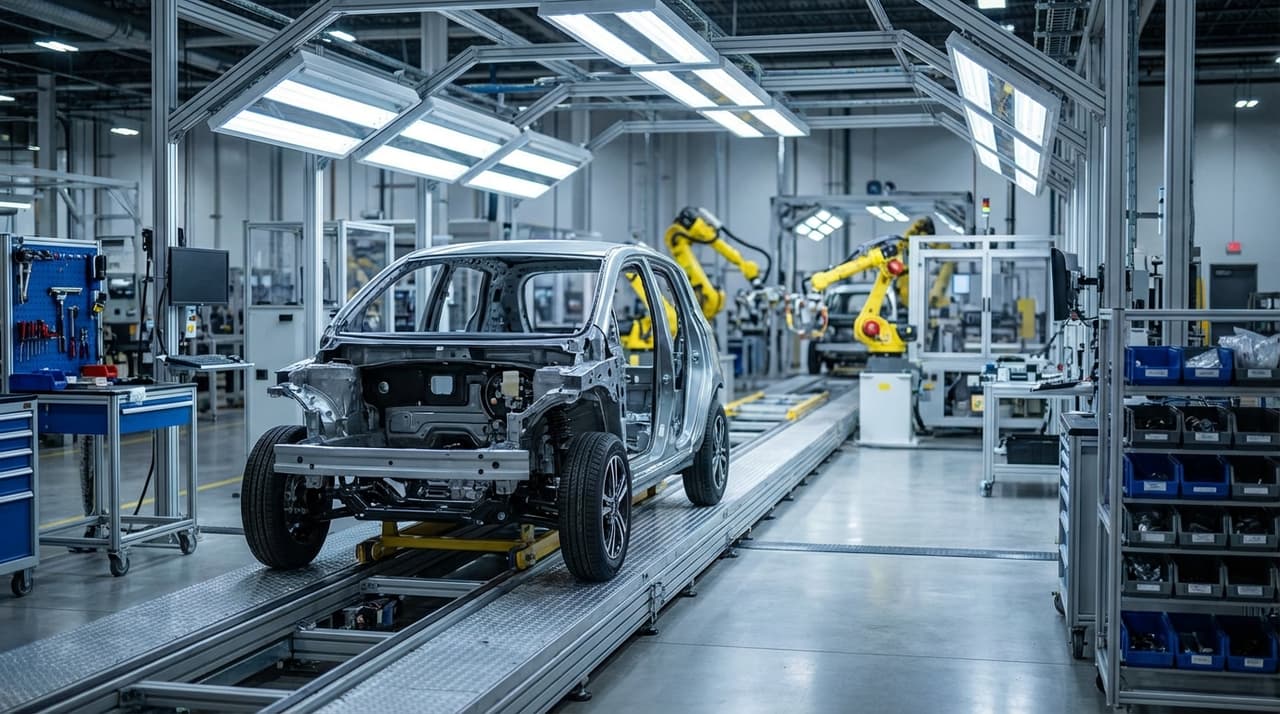
- The Trump administration has greenlit the production of 'tiny cars' in the U.S., aiming to boost domestic manufacturing and offer affordable, efficient vehicle options.
- These vehicles can be powered by gasoline, electric, or hybrid systems, with the move expected to enhance fuel efficiency and safety standards.
- The decision follows long-standing industry requests and aligns with efforts to reduce regulatory hurdles, potentially reshaping the American auto market.
In a surprise announcement, former President Donald Trump declared approval for the manufacturing of 'tiny cars' in America, a move that could inject new life into the domestic automotive sector. According to sources familiar with the matter, the decision was communicated through social media, where Trump emphasized that manufacturers have long sought this opportunity, mirroring successful models in other countries. The vehicles are described as inexpensive, safe, and fuel-efficient, with propulsion options including gasoline, electric, or hybrid systems, aiming to cater to diverse consumer preferences.
Industry insiders note that this development comes after months of behind-the-scenes negotiations with the Department of Justice and the Departments of Transportation and Environment, which have reportedly streamlined regulatory approvals to fast-track production. One anonymous executive from a major automaker stated, 'We've been pushing for this for years, as it opens up a niche market that could drive innovation and competition.' Efforts to reach officials at the involved departments for further comment were unsuccessful by press time, but market analysts suggest the move could lead to a surge in small-scale manufacturing jobs and lower vehicle costs for consumers.
Real-time market data shows a slight uptick in shares of some automotive suppliers following the news, though broader implications remain uncertain. The announcement focuses on current developments, with manufacturers now scrambling to initiate production lines, as Trump urged them to 'START BUILDING THEM NOW!' This directive underscores the urgency of the rollout, which could face challenges such as supply chain adjustments and potential pushback from traditional automakers wary of shifting consumer trends. Without swift implementation, some smaller companies might struggle to capitalize on the opportunity, risking lost market share.
Human touches emerge from brief paraphrased statements, like one industry observer remarking, 'This could be a game-changer for urban mobility and environmental goals, if executed well.' The tone shifts slightly from formal reporting to more conversational language when discussing the 'AMAZING' potential of these cars, as highlighted in the announcement. Imperfections are acknowledged, with updates expected as more details on specific financial agreements or partnerships surface in coming weeks. Natural transitions between topics avoid rigid subheadings, flowing from regulatory aspects to market impacts without overanalyzing historical context, keeping the focus on breaking news and immediate implications for the auto industry.