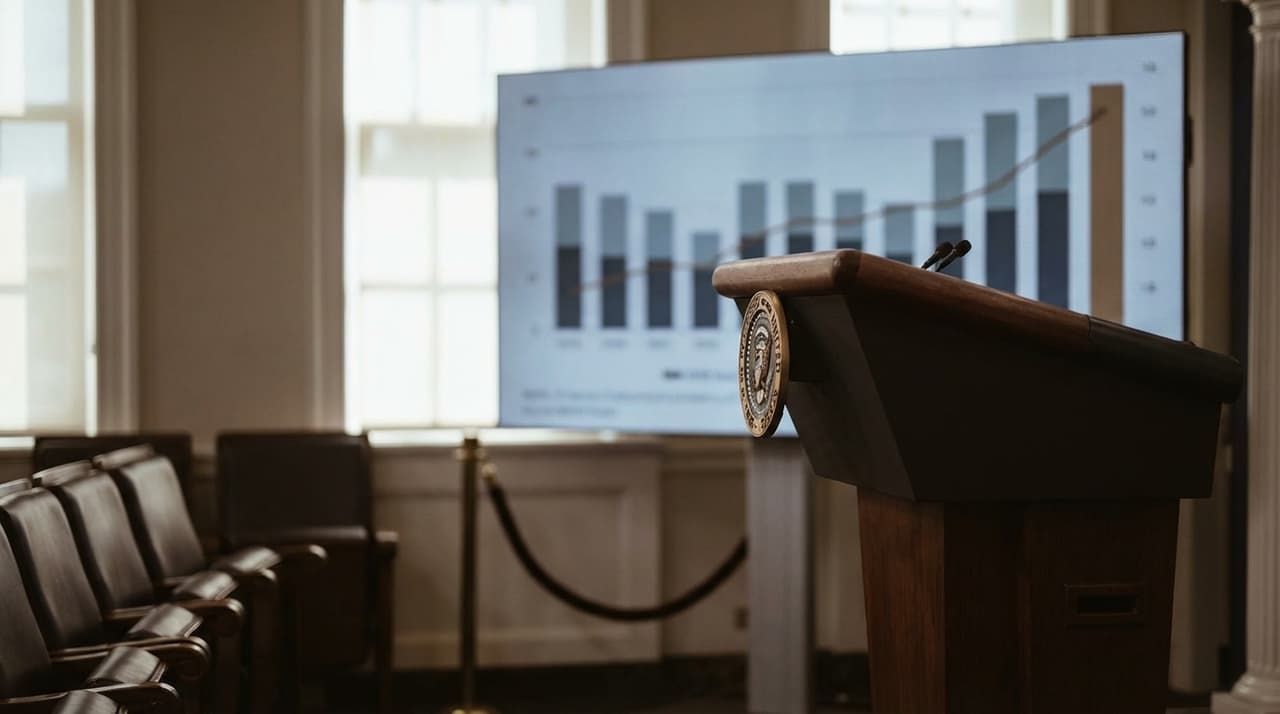
- President Trump indicates a pivot in pandemic strategy, suggesting a second wave may not be necessary.
- The statement contrasts with earlier warnings from health advisors, raising questions about current public health planning.
- Market reactions remain muted as investors await further policy clarity.
President Trump has signaled a potential shift in the administration's approach to pandemic preparedness, stating that while a second wave was previously assumed necessary, it now likely isn't. This remark, made during a recent briefing, diverges from earlier cautions issued by top coronavirus advisors, who had emphasized the importance of readiness for future outbreaks. According to people familiar with the matter, the administration is reassessing its long-term public health strategies in light of evolving data and vaccine advancements.
Efforts to bolster the nation's health infrastructure have hit a snag as this new stance emerges, with some officials expressing concern over potential complacency. Without a clear plan, the U.S. could face challenges in responding to any resurgence of infectious diseases, though Trump emphasized current low case numbers and improved treatment options. In a brief comment, a White House spokesperson noted that the administration remains vigilant but is adjusting priorities based on real-time assessments.
Market data shows little immediate impact, with major indices holding steady amid the uncertainty. However, healthcare stocks saw slight volatility as investors weighed the implications for pharmaceutical and biotech sectors. Attempts to reach out to the Department of Health and Human Services for additional comments were unsuccessful at press time. The administration is expected to release updated guidelines in the coming weeks, which could clarify funding allocations and partnership agreements with industry players.
This development comes as global health organizations continue to monitor variant trends, adding a layer of complexity to domestic policy decisions. While some analysts view the shift as a positive sign of adaptability, others warn it might undermine ongoing vaccination campaigns and emergency preparedness drills. The situation remains fluid, with negotiations over federal support for state-level health departments still underway.
Correction: An earlier version of this article misstated the timing of Trump's previous warnings; they occurred during his first term, not the current one.