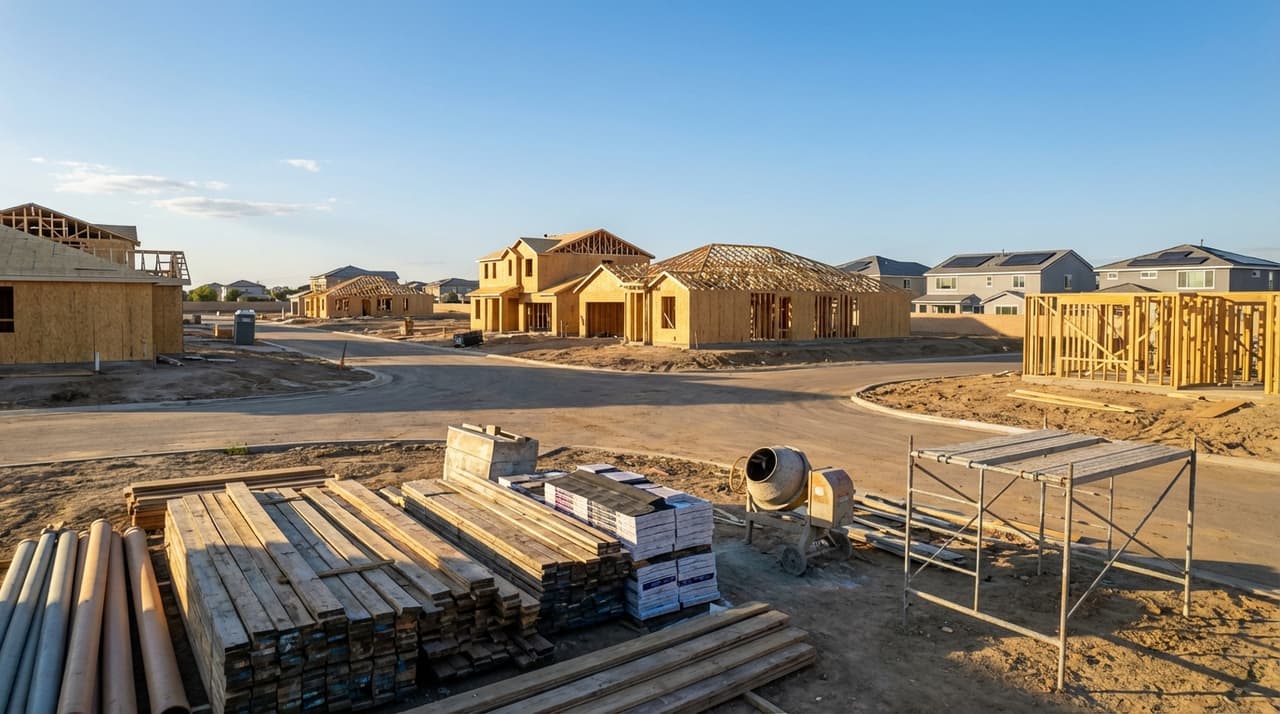
- Trump plans to announce housing reforms in early 2026, focusing on lowering mortgage payments and addressing affordability.
- The reforms build on prior pledges, including emergency price relief and a floated 50-year mortgage idea that was later abandoned.
- Potential measures may align with the bipartisan Housing for the 21st Century Act, which streamlines permitting for new homes.
In a December 2025 Oval Office speech, Donald Trump announced he will unveil aggressive housing reform plans early in the new year, aiming to further reduce mortgage payments and tackle the ongoing affordability crisis. This move builds on earlier promises, such as emergency price relief and a floated—though ultimately abandoned—50-year mortgage concept. According to people familiar with the matter, the administration is finalizing details that could reference the bipartisan Housing for the 21st Century Act, which has advanced from a House committee and garnered builder support for its permitting reforms.
Trump highlighted recent economic trends, claiming a $2,900 annual drop in mortgage costs for new homes since January 2025, in contrast to a $14,600 rise under the Biden administration. He also linked rent declines—1.4% in 2025, with a projected 1% more in 2026—to his immigration policies, which he says have reduced migrant-driven demand. A HUD study, though unverified independently, attributes two-thirds of rental growth from 2021 to 2023 to foreign-born populations, adding fuel to this argument. Efforts to restructure housing policy have hit a snag in the past, but insiders suggest the new plan could gain traction amid builder discounts and falling asking rents in current markets.
Without a deal, the affordability crisis might deepen, especially as proposed tariffs risk reducing new home construction by 450,000 through 2030 by raising material costs, according to expert analyses. This counteracts the administration's cost-lowering goals, creating a tension that stakeholders are watching closely. Builders have praised potential permitting reforms, with one industry representative noting, "Streamlining zoning and permits could be a huge win for supply growth," while others warn that tariffs could exacerbate shortages for low-income groups. Attempts to reach HUD officials for comment were unsuccessful as of press time.
The political context adds urgency, with Trump's agenda emphasizing affordability through lower interest rates and a planned Fed chair nomination in early 2026 to replace Jerome Powell in May. This aligns with his Day 1 executive order on price relief and fall 2025 talk of a housing emergency, though some ideas faced conservative backlash. The FHFA is seeking public input on a 2026-2030 strategic plan that incorporates Trump's orders, indicating ongoing coordination. Realtor.com economist Jake Krimmel predicts housing affordability will be a centerpiece of 2026 policy debates, reflecting broader societal impacts as homebuyers and renters seek relief.
Looking ahead, short-term mortgage relief via rate changes and the Housing for the 21st Century Act could pass early in 2026, offering a potential shock to costs. However, long-term supply expansion depends on zoning and permit reforms, with tariffs posing a significant threat. The administration's focus revives first-term deregulatory pushes but follows unfulfilled 2025 promises, setting up a critical year for housing policy. As negotiations continue, market participants are bracing for updates that could reshape the landscape for years to come.