- President Trump publicly criticizes Fed renovation cost overruns and demands lower interest rates during a tour with Chair Jerome Powell.
- Powell defends Fed independence, citing inflation risks from tariffs and correcting Trump's figures on the renovation.
- Tensions highlight ongoing friction over monetary policy, with Trump backing off firing Powell but maintaining pressure for rate cuts.
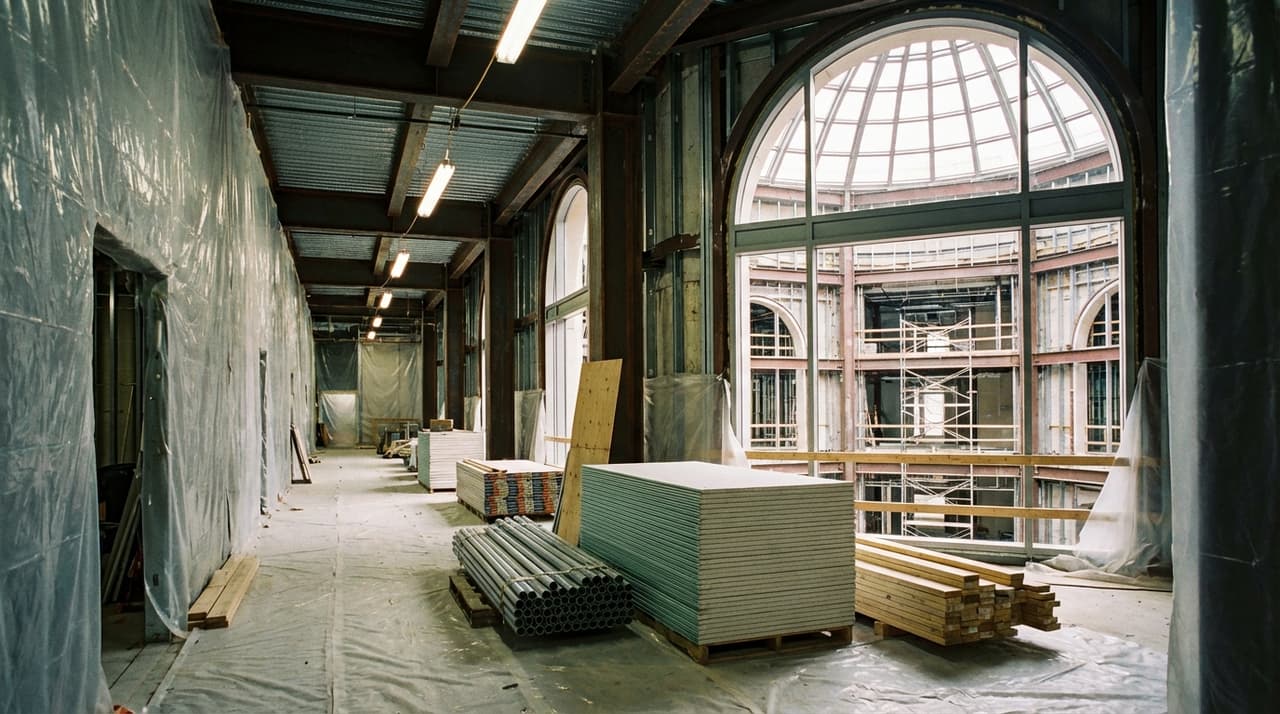
President Donald Trump visited the Federal Reserve's Washington headquarters on July 24, 2025, touring its ongoing renovation with Chair Jerome Powell in a meeting that quickly turned contentious. According to people familiar with the matter, Trump lambasted the project's ballooning costs, now estimated at $2.5-3.1 billion up from an initial $1.9 billion, and reiterated his call for the Fed to slash interest rates to boost economic growth. "We need rates down three points for the best economy," Trump was overheard saying, referencing the current federal funds rate of 4.3%.
Powell pushed back, emphasizing the Fed's data-driven approach and independence in a brief exchange captured on video. He corrected Trump's assertion about a third building, noting it was completed years ago, and pointed to inflation pressures from recent tariffs as a reason for caution. "Our policy remains focused on maximum employment and stable prices," Powell stated, without directly addressing the firing threats that have simmered since Trump's earlier comments labeling him a "numbskull" and "stubborn mule." Efforts to reach the White House for additional comment were unsuccessful by press time.
The renovation, delayed by post-2021 inflation-driven material costs, is now slated for completion in 2027. Market observers viewed the visit as a symbolic pressure tactic rather than a policy shift, with one analyst noting, "It's all about optics—Trump wants growth, but Powell's hands are tied by the data." Despite the tension, Trump later called their talk "productive" and deemed firing Powell "highly unlikely" without cause, such as mismanagement of the renovation. This comes after a May 29, 2025 White House meeting where Powell stressed non-political decision-making amid discussions on jobs and inflation.
With the U.S. at full employment, lower rates could reduce government debt costs and spur investment, but premature cuts risk fueling inflation. The Supreme Court's limits on presidential firing power absent misconduct add a layer of stability, though sustained pressure could test Fed credibility. As Powell's term ends in 2026, the chair race looms, but for now, focus remains on the delicate balance between political demands and economic stewardship. Correction: An earlier version misstated the renovation timeline; it is expected to finish in 2027, not 2026.