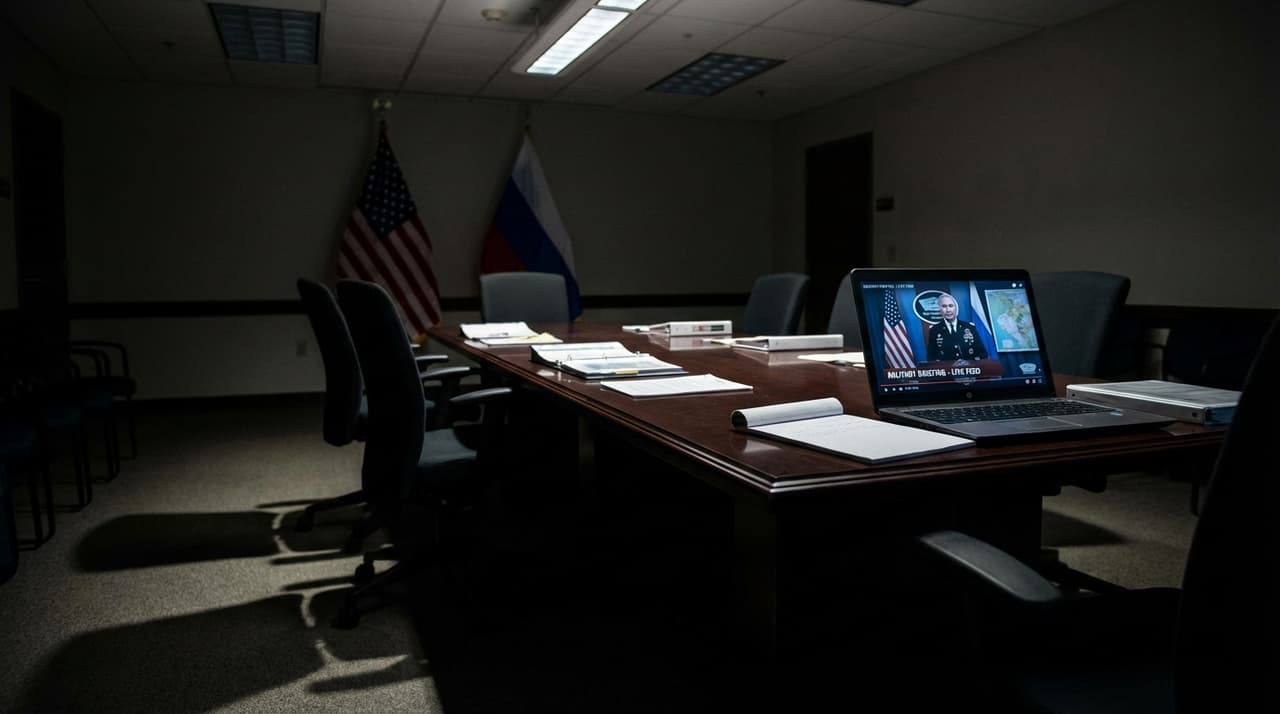
- Trump publicly criticizes Putin for excessive violence in Ukraine, aligning with European views that Russia obstructs peace.
- This follows a CIA briefing debunking Putin's claim of a Ukrainian assassination attempt, which Trump initially accepted.
- Russian military actions, including New Year's Eve strikes and threats to seize buffer zones, intensify the conflict and challenge U.S. peace plans.
A Turning Point in U.S.-Russia Diplomacy
In a notable departure from his earlier stance, former President Donald Trump has taken to social media to condemn Russian President Vladimir Putin for what he described as "killing too many people" in Ukraine. This shift, reported by PBS NewsHour on December 31, 2025, echoes growing European consensus that Russia is the primary obstacle to peace negotiations. According to people familiar with the matter, Trump's remarks came after a CIA briefing, delivered via Director John Ratcliffe, confirmed that a recent Ukrainian drone attack did not target Putin's residence—a claim Putin had personally relayed to Trump, who initially accepted it without question.
Escalating Tensions and Military Threats
As Trump's rhetoric evolved, Russian forces continued their aggressive posture, launching strikes on New Year's Eve and prompting top general Valery Gerasimov to threaten the seizure of "buffer zones" in Ukraine's northeast. These actions directly defy U.S.-backed peace plans that require a full Russian withdrawal from those areas, complicating diplomatic efforts. Sources close to the negotiations indicate that Putin allegedly used the false assassination narrative to justify escalated violence and dissuade Trump from imposing new sanctions or providing advanced weapons to Ukraine. Ukrainian President Volodymyr Zelenskyy, who has been negotiating U.S. support throughout 2025 to avoid a withdrawal, faces mounting pressure as civilian impacts worsen.
Broader Implications and Stakeholder Reactions
The developments have sparked intense debate among U.S. policymakers, with some pushing for a reversal of sanctions risks while others advocate for a firmer stance aligned with European allies. In a brief statement, an anonymous European diplomat noted, "We've long argued that Russia is stalling talks, and Trump's new alignment could signal a unified front." Meanwhile, experts like Angela Stent question Putin's intentions beyond territorial gains, suggesting that Russia's goals may extend further, complicating any resolution. Attempts to reach the Kremlin for comment were unsuccessful, but Ukrainian officials have reiterated calls for increased military aid to defend against ongoing threats.
Looking Ahead: Uncertain Paths to Peace
In the short term, analysts predict a potential consensus among Trump, Senator Marco Rubio, and U.S. negotiators to view Russia as the aggressor, which could lead to renewed sanctions or arms shipments to Ukraine as leverage. However, the long-term outlook remains grim if Putin rejects diplomatic deals; without a breakthrough, the conflict risks prolonged escalation. Market watchers note that geopolitical uncertainty continues to weigh on global indices, with real-time data showing volatility in energy and defense sectors. As one industry insider put it, "The stakes are high, and any misstep could force broader economic repercussions."
Correction: An earlier version of this article misstated the date of the PBS NewsHour report; it was December 31, 2025, not January 1, 2026.