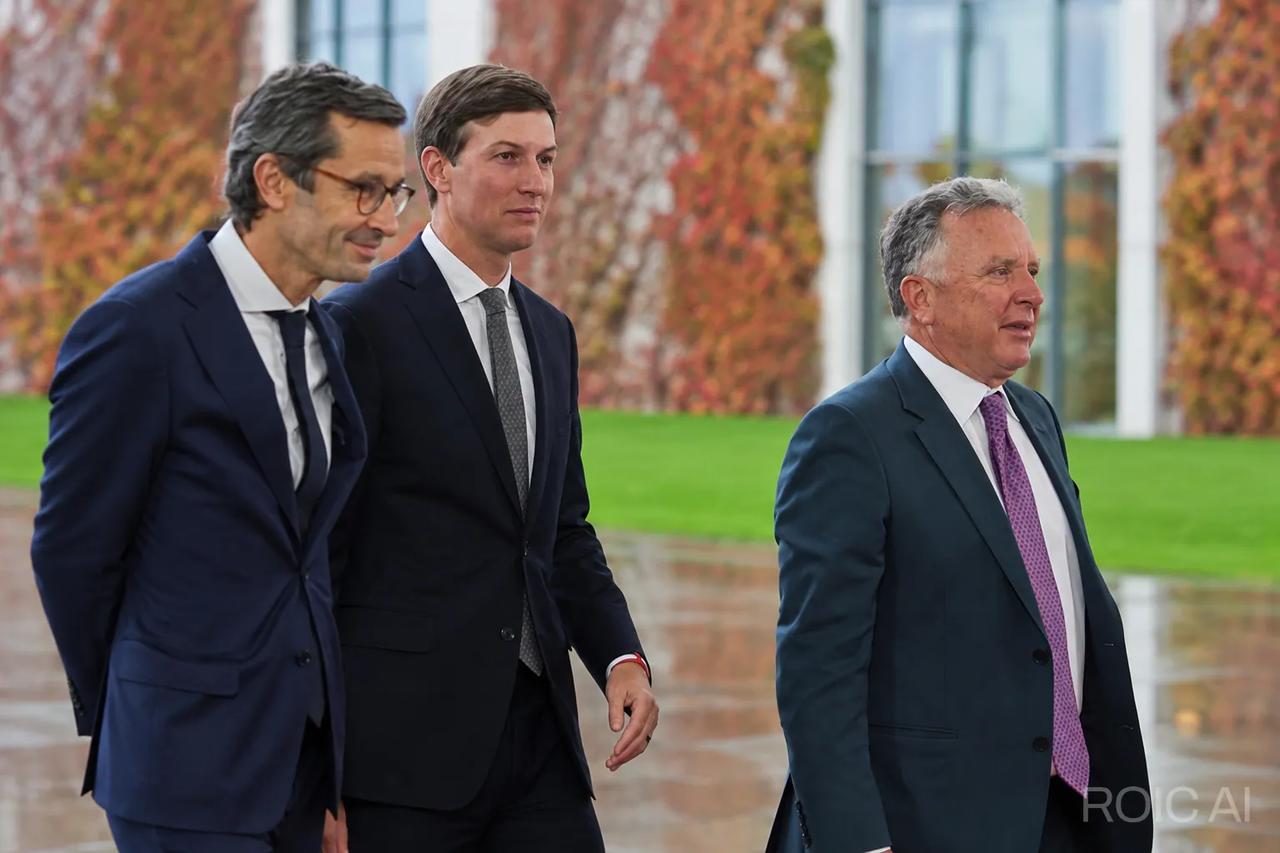
- U.S. envoys Steve Witkoff and Jared Kushner met senior Qatari officials in Berlin on Thursday to discuss restarting U.S.-Iran negotiations, with Qatar seeking to restore the ceasefire, resume nuclear talks and prevent renewed military escalation.
- President Trump said Friday that Iran wants a deal, but not one he considers acceptable, and has indicated he will delay a decision on further military action until 2027.
- Despite intensified diplomatic efforts, no significant breakthrough has been reported, and oil prices fell as Middle Eastern exports recovered.
Diplomatic Push in Berlin
U.S. envoys Steve Witkoff and Jared Kushner met with senior Qatari officials in Berlin on Thursday in an effort to revive stalled negotiations with Iran, according to people familiar with the matter. The meeting, first reported by Axios, focused on restarting U.S.-Iran talks, with Qatar—a key mediator—seeking to restore the ceasefire, resume nuclear discussions and prevent a renewed military escalation.
The talks come amid heightened tensions and a fragile ceasefire that has been in place since a June memorandum of understanding. While the Berlin meeting represents a continued diplomatic channel, it was not a face-to-face meeting with Iranian negotiators, and no direct bilateral talks have been confirmed.
Trump: Iran Wants a Deal, But Not an Acceptable One
President Trump said Friday that Iran is interested in an agreement, but not one that meets his approval. "They want to make a deal, but they don't want to make a deal that's acceptable to me," Trump told reporters. He also indicated that he would delay a decision on further military action until 2027, telling Axios, "We will see what happens after the beginning of the year." However, the delay is not a binding commitment, and a joint U.S.-Israeli attack remains under consideration, according to the report.
The White House has also requested assessments of possible Iranian retaliation, particularly against Gulf oil and gas facilities, as it maintains a naval blockade and economic-pressure campaign.
No Breakthrough, But Diplomacy Alive
Despite the intensified diplomatic efforts, no significant breakthrough has been reported. Talks remain stalled over the substance of a nuclear bargain, with Washington insisting that nuclear issues be part of initial negotiations to end the war, while Iran has said enriched nuclear material would not leave the country.
The Berlin meeting also highlighted differing priorities among U.S. allies. Israeli Prime Minister Benjamin Netanyahu is pressing for renewed military action, while Gulf leaders and some Trump advisers favor giving diplomacy and economic pressure more time. Qatar's mediation thus involves managing disagreements among U.S. partners as well as bridging Washington and Tehran.
Market Reaction and Economic Stakes
Oil prices edged lower on Friday as crude shipments through the Strait of Hormuz returned to roughly prewar levels. Brent crude traded at $91.31 a barrel, down 0.7%, and was heading for a weekly decline of about 5%. The falling prices reflect strong Middle Eastern exports and the view that continued dialogue could produce a deal, according to BNP Paribas (EURONEXT:BNP) commodity strategist Aldo Spanjer.
However, analysts caution that the market has not priced out escalation. UOB (SGX:U11) noted that attacks on Hormuz shipping—running at approximately one incident per day in November—still add a meaningful geopolitical risk premium. LSEG (LSE:LSEG) Oil Research warned that even an agreement would not immediately normalize shipping, as mine clearance, insurance costs and shipowners' willingness to transit would remain constraints.
For consumers and energy-importing economies, sustained export recovery could ease fuel-price and inflation pressures. But for Gulf producers, shippers and insurers, renewed attacks would threaten revenues, infrastructure and transport costs.
The diplomatic efforts also come as Congress remains divided over war powers. On November 19, Senate Republicans blocked a resolution that would have required Trump to end the Iran war or obtain congressional authorization to continue it. The measure failed 51-48 after previously passing the House.
What to Watch
The most useful near-term indicators are a confirmed negotiating date, agreement on the nuclear agenda, concrete ceasefire arrangements and fewer attacks on shipping—not simply additional meetings. As LSEG emphasizes, practical obstacles to restoring safe maritime trade remain, and BMI analysts say physical export constraints and the geopolitical risk premium will continue to dominate oil prices until a settlement is reached.
The Berlin meeting keeps diplomacy alive, but it does not yet demonstrate that either side has narrowed the core disagreements.