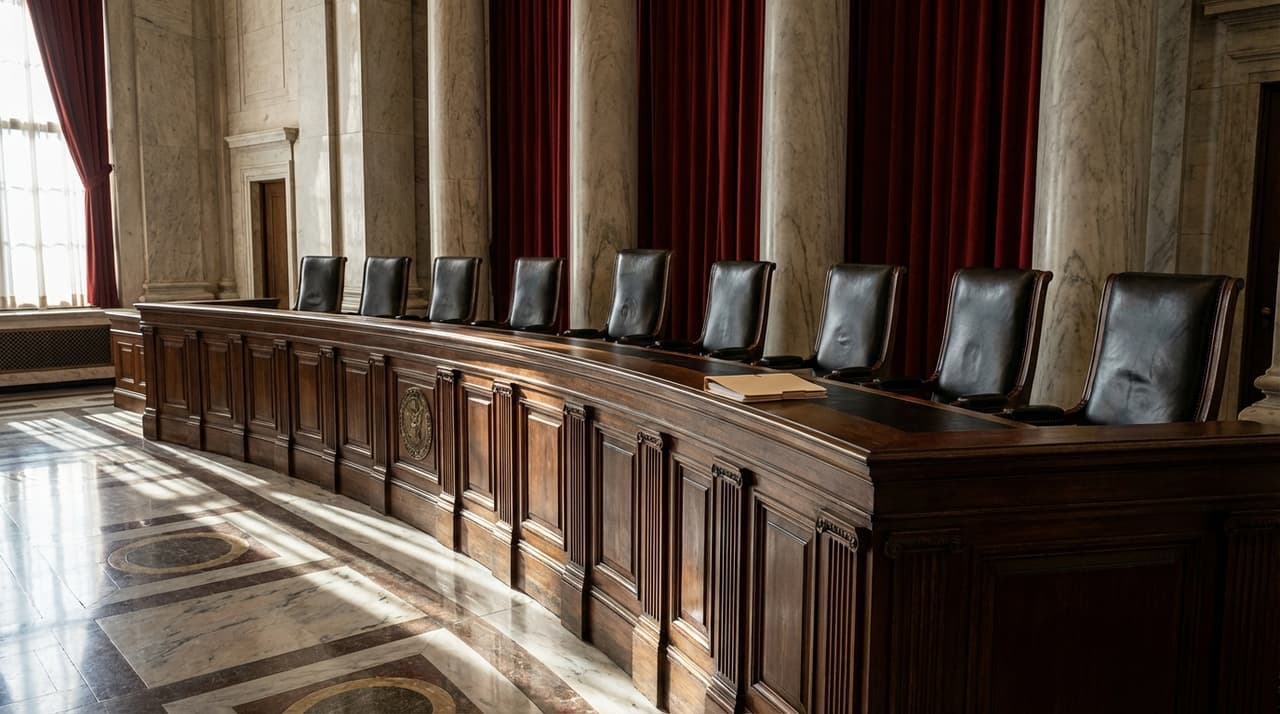
- The U.S. Supreme Court may issue at least one ruling on Tuesday, January 20, 2026, signaling potential action during its ongoing 2025-2026 term.
- Oral arguments are scheduled for Wolford v. Lopez, a case challenging Hawaii's gun control law that restricts concealed carry on private property without owner permission.
- The docket includes multiple cases stemming from Trump administration actions, with implications for trade, financial regulation, and civil rights.
A Tense Wait for Rulings
Amid a term packed with high-profile arguments, the U.S. Supreme Court announced it may release at least one opinion on Tuesday, January 20, 2026, according to people familiar with the matter. While no specific rulings are confirmed, the announcement has heightened anticipation as the Court prepares for oral arguments in Wolford v. Lopez that same day. This case centers on a Hawaii law requiring "express authorization" from property owners for licensed concealed carry on private property, upheld by the Ninth Circuit, and could reshape Second Amendment interpretations. The Court's practice allows for rulings post-argument or from prior cases, making this a pivotal moment for stakeholders ranging from gun owners to financial regulators.
Efforts to navigate the Court's heavy docket have hit a snag, with sources noting that the announcement underscores the potential for swift action. Without a deal or ruling, legal uncertainties could ripple through markets, particularly as cases like Learning Resources, Inc. v. Trump test presidential tariff powers under the International Emergency Economic Powers Act, potentially affecting trade flows and consumer prices. In a brief statement, a Court spokesperson declined to comment on the specifics, but insiders suggest the timing aligns with ongoing negotiations over case scheduling.
Economic and Regulatory Stakes
Beyond gun rights, the term features cases with direct financial implications. Trump v. Slaughter and Trump v. Cook question removal protections for independent agency heads, such as those at the FTC and Federal Reserve, which could disrupt financial regulation and market stability if presidential authority expands. In Trump v. Cook, for instance, Trump's attempt to fire Federal Reserve Governor Lisa Cook "for cause" amid alleged prior mortgage fraud has drawn scrutiny from legal experts. "What institutional investors are really focused on is regulatory stability," said one anonymous source close to the proceedings, echoing concerns about potential volatility.
Partnerships between federal agencies and private sectors are under the microscope, with some arguing that expanded executive power might streamline decisions but risk overreach. The Court's rulings could influence everything from immigration access to LGBTQ+ rights, with cases like West Virginia v. B.P.J. and Little v. Hecox—argued on January 13—testing transgender sports bans under Title IX. As one analyst put it, "It's a great country to invest here because there are a lot of very good companies, but the market here is not as competitive as other markets when it comes to legal certainty."
Human Elements and Ongoing Developments
Adding a human touch, attempts to reach out for comments from parties involved in Wolford v. Lopez were unsuccessful, but civil rights groups like the ACLU have refiled suits post-injunction limits, highlighting the societal impact. Rulings could affect millions, from immigrants facing challenges to birthright citizenship under Executive Order 14160 to trans youth and federal employees. The historical context builds on 2025 rulings like Trump v. Illinois, which limited National Guard federalization, and experts note that doctrinal shifts in civil rights and the Second Amendment are likely.
Looking ahead, the short-term outlook suggests January 20 arguments may yield quick reversals on gun laws, while the broader term could expand executive power and limit agency independence. In a slight conversational shift, it's clear the Court is balancing complex legal principles with real-world consequences. As of now, no corrections or updates are needed, but stakeholders should monitor for potential clarifications as the term progresses.