- The Nasdaq Composite extended gains on Monday, last up 7.4%, as U.S. equity futures surged; S&P 500 E-mini contracts were up 3.9%, Nasdaq 100 futures up 6.2% and Dow futures up 2.4%, with Nasdaq 100 futures briefly halted for volatility after a 7% jump.
- The bounce follows a punishing week that erased the major indexes' 2026 gains and left the S&P 500 and Dow more than 10% below their record highs.
- Thin holiday-week liquidity and lingering doubts about AI spending mean the rally could prove fragile.
A Relief Rally Takes Hold
U.S. equity futures vaulted higher, with S&P 500 E-mini contracts up 3.9%, Nasdaq 100 futures up 6.2% and Dow futures up 2.4%, as investors rushed back into megacap technology and semiconductor names after one of the most bruising stretches for stocks in years.
Nasdaq 100 futures were briefly halted for volatility after a 7% jump. CME (NASDAQ:CME)'s E-mini Nasdaq-100 limits are 7%, 13% and 20% on the downside during regular hours, while overnight the limit is 5% up and down.
Nasdaq-100 Set to Add Over $2 Trillion
The Nasdaq-100 is set to add over $2 trillion in market value and was last up over 6%, as the rebound gathered pace. The index's heavy concentration in mega-cap technology and AI names amplifies moves in dollar terms, making the rally one of the largest single-day gains in value on record.
Nasdaq Composite Extends Gains
The Nasdaq Composite extended its gains on Monday and was last up 7.4%. That move came as the broader rebound in U.S. equities gathered pace.
Bargain Hunters Step In
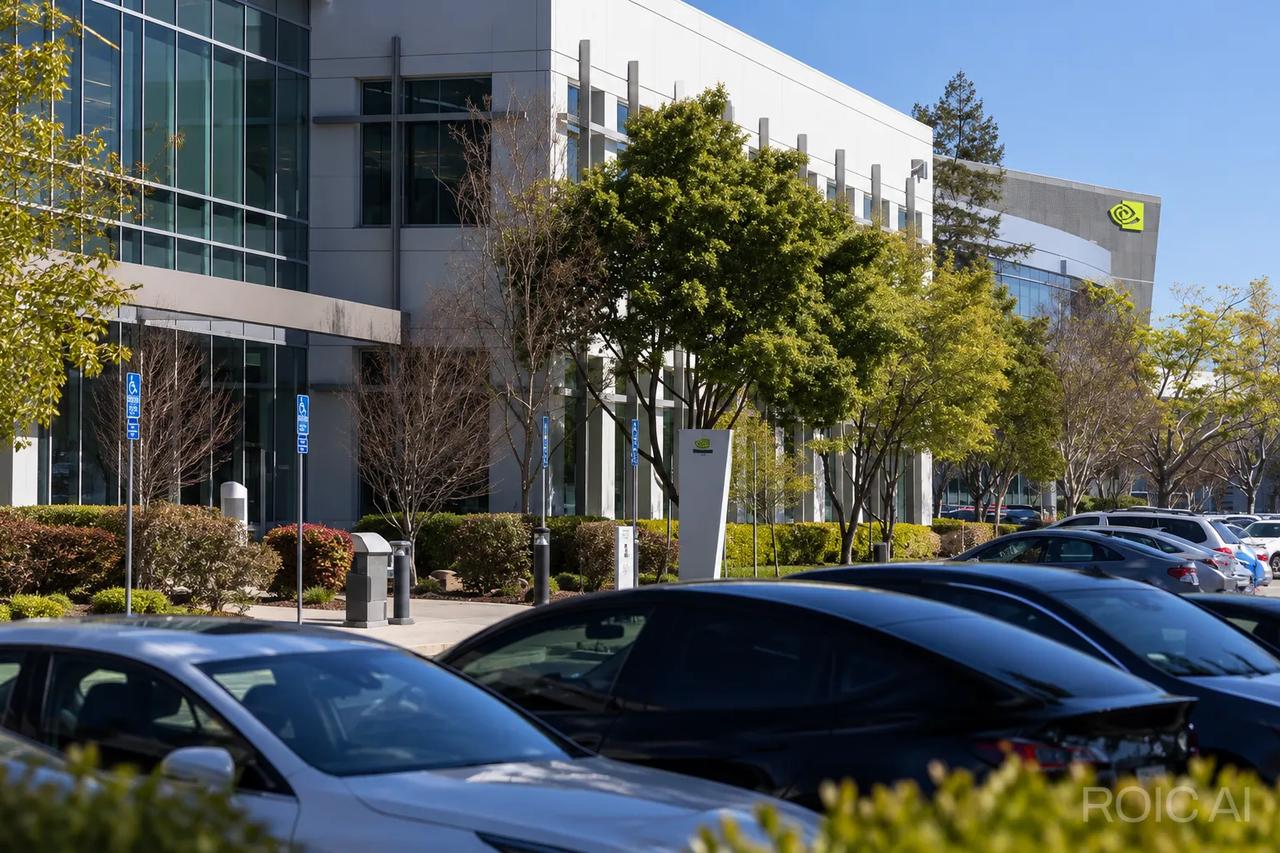
Market strategists characterized the early move as a technical relief bounce rather than a fundamental reassessment. Short-term bargain hunting in megacap tech and chips led the charge, with Nvidia (NASDAQ:NVDA) pacing the semiconductor rally.
The turnaround follows a volatile stretch for AI-linked names. Earlier in the month, funding concerns tied to Oracle (NYSE:ORCL) weighed on the technology complex. Sentiment later stabilized after Micron (NASDAQ:MU) delivered a strong outlook on AI demand and Fed Governor Chris Waller voiced support for rate cuts. The rate picture remains cloudy, however, after consumer price data was disrupted by a government shutdown.
Company-specific news added to the crosscurrents. CrowdStrike (NASDAQ:CRWD) shares fell sharply on its deal to acquire Zscaler (NASDAQ:ZS), a transaction that raised questions about valuation and integration risk in the cybersecurity space.
The rebound follows a furious selloff driven by fears that the artificial-intelligence investment boom may not be sustained. On Friday, the Nasdaq tumbled 5.3% and the S&P 500 dropped 3.7%, capping a seven-session losing streak. Both the S&P 500 and the Dow closed more than 10% below their record highs, confirming a correction, while the three major indexes wiped out their gains for the year.
The scale of the retreat was historic. The Dow and Nasdaq notched their steepest weekly declines since the early days of the pandemic, and the S&P 500 suffered its worst week since the tariff shock of April 2025. The Nasdaq shed roughly 10% over the week, with the Dow and S&P 500 each losing more than 8%, according to market data.
Trading conditions could amplify moves this week. With the Thanksgiving holiday shortening the session calendar, volume is expected to be light, and thin liquidity often exaggerates price swings in either direction.
The Bottom Is Still a Question
Despite the sharp bounce, investors remain divided on whether the lows are in. Strategists have cautioned about the durability of so-called post-bloodbath rallies, noting that rebounds after steep drops are often violent but can fail if the underlying catalyst — in this case, doubts about AI capital spending and valuation — is not resolved.
Near-term direction will likely hinge on AI-related earnings and news flow, along with inflation readings and signals from the Federal Reserve on the path of rates. Over the longer horizon, the central question is whether the enormous sums being poured into AI infrastructure, and the valuations assigned to the companies building it, can be justified by future profits.
For now, the names to watch remain Nvidia, CrowdStrike, Zscaler, Oracle and Micron, alongside the retail and institutional holders of tech-heavy funds that absorbed the heaviest losses during the downturn. Wall Street's broader outlook for 2027 remains constructive, though the coming sessions will test whether conviction can survive the volatility.