- US Treasury Secretary Scott Bessent publicly warns Canada against diverging from US trade ties, calling it a "disaster."
- Tensions escalate following Canadian Prime Minister Mark Carney's Davos speech advocating for "middle countries" to challenge great-power dominance in global trade.
- Bessent claims Carney softened his stance in a private Oval Office call with President Trump, though Canadian officials have not confirmed.
US Treasury Secretary Scott Bessent has openly urged Canadian Prime Minister Mark Carney to prioritize Canadian interests over what he termed a "globalist agenda," amid escalating trade tensions between the two nations. In a January 26, 2026, appearance on Fox News' "Hannity," Bessent emphasized Canada's heavy reliance on North-South trade with the US, warning that any move away from this alignment would be economically catastrophic.
Bessent's remarks were a direct response to Carney's January 20 speech at the World Economic Forum in Davos, where the Canadian leader advocated for "middle countries" like Canada to assert more independence in global trade without explicitly naming the US. This came as Carney rejected President Trump's threat of 100% tariffs over a recent Canada-China tariff rollback agreement, which is not a free trade deal but eases prior tariffs in affected sectors. According to people familiar with the matter, Bessent cited France's failed protectionist policies under President François Mitterrand in the 1980s as a cautionary tale, arguing that similar moves by Canada could lead to economic stagnation.
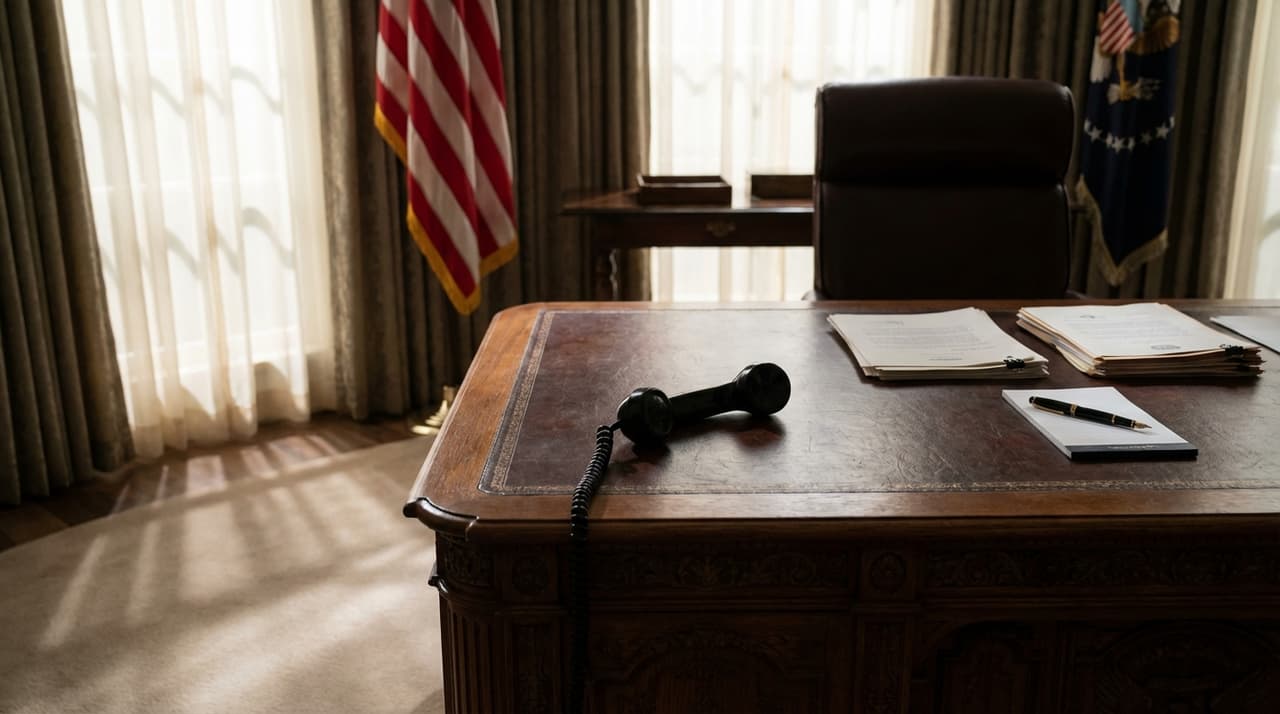
In a notable development, Bessent claimed that Carney "aggressively" softened his stance during a private Oval Office call with President Trump on January 26. However, no confirmation has emerged from Canadian officials, and attempts to reach the Prime Minister's Office for comment were unsuccessful. The call hints at behind-the-scenes de-escalation efforts, but market analysts remain wary, with the CAD/USD exchange rate showing slight volatility in recent trading sessions.
Canada's economy is deeply intertwined with the US, with over 75% of its exports directed southward, making any trade rupture highly disruptive to sectors like autos, energy, and manufacturing. Bessent framed the situation as Carney chasing globalism at the expense of Canadian jobs and stability, amid broader US efforts to curb Chinese influence. This reflects strained US-Canada relations under Trump's second term, which have included threats over NATO-linked Greenland amid territorial interests.
Short-term risks include potential escalation if Carney doubles down on his Davos comments, possibly triggering US tariffs under Section 301 authorities and further market turbulence. Long-term, experts predict this could force Canada toward either closer US-aligned trade or diversified partnerships, potentially weakening the North American bloc. As one senior US official, speaking on condition of anonymity, put it, "Without a deal, the economic fallout could ripple across both borders." The situation remains fluid, with Canadian officials planning visits to Greenland, linking to ongoing NATO and trade frictions.