- Scott Bessent, U.S. Treasury Secretary, asserts it is very unlikely the Supreme Court will overturn President Trump's key economic policies, including tax cuts, deregulation, and trade deals.
- Recent economic data shows robust growth, with Q4 2025 GDP exceeding 5%, driven by investment and consumer demand, while inflation has moderated.
- Treasury has secured international agreements, such as an OECD exemption for U.S. multinationals from global minimum taxes, reinforcing U.S. tax sovereignty.
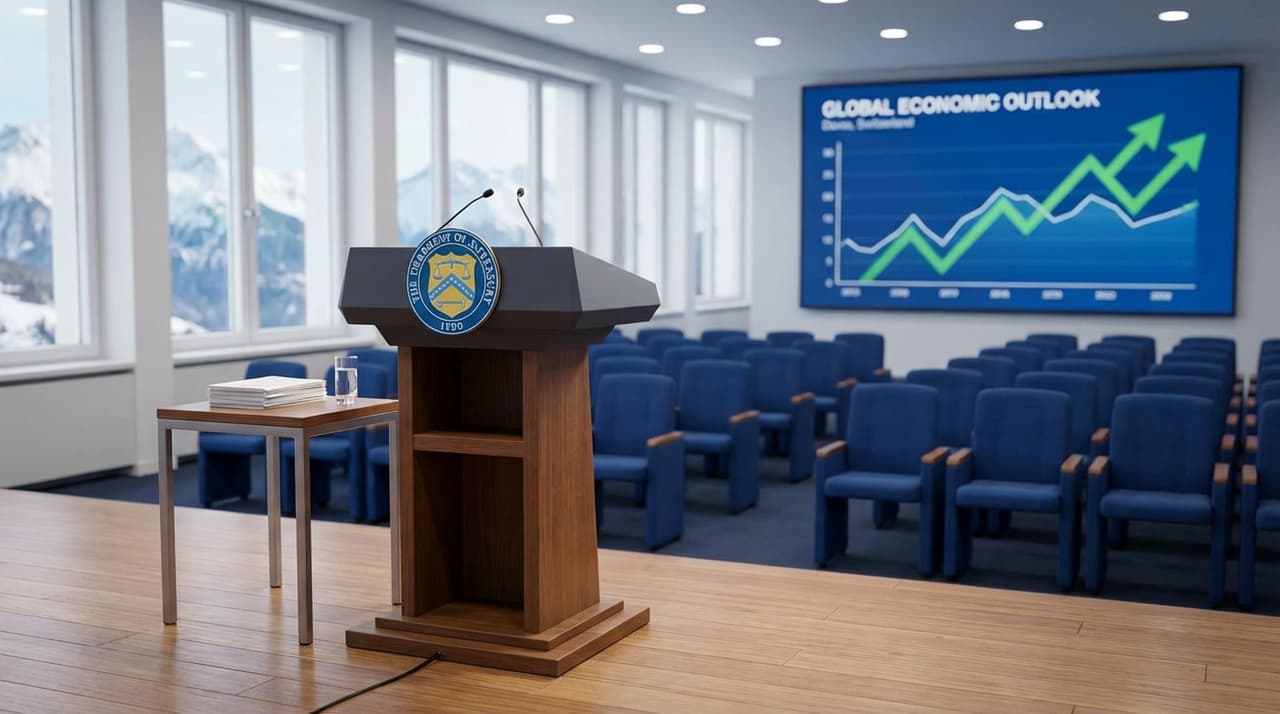
In a series of high-profile statements, U.S. Treasury Secretary Scott Bessent has downplayed the risk of legal challenges to President Trump's signature economic agenda, describing it as "very unlikely" that the Supreme Court would strike down policies centered on tax cuts, deregulation, and trade renegotiations. This comes amid ongoing implementation efforts that have already fueled a surge in economic indicators, with the Atlanta Fed estimating Q4 2025 GDP growth at 5.3%, according to Bessent's remarks at a Davos press briefing on January 20, 2026.
Bessent highlighted the administration's focus on shifting toward economic growth and security, rather than burdensome regulations, during his delivery of the Financial Stability Oversight Council (FSOC) annual report. He noted that interagency groups are actively reviewing rules that could hinder resilience, a move that aligns with the broader "three-legged stool" strategy of trade, tax, and deregulation. This approach has led to tangible outcomes, such as the permanent full expensing for equipment and factories via the July 4, 2025 "Big Beautiful Bill," which has boosted capital expenditure by 12% and contributed to a capex-to-employment boom.
On the international front, Treasury secured an OECD agreement exempting U.S. multinationals from Pillar Two global minimum taxes, a decision Bessent framed as affirming U.S. tax sovereignty through executive action. This exemption protects U.S. firms' worldwide operations and underscores the administration's willingness to override prior commitments, as seen on Day One of the post-2025 inauguration. In a more conversational tone, Bessent praised the worker-first approach during a recent Minnesota visit, where he touted Q1 2026 tax refunds of up to $1,000 per worker, aiming to benefit both Wall Street and Main Street under the "Parallel Prosperity" initiative.
Despite the optimism, there are no specific public reactions noted, though Bessent's comments at Davos tied these policies to broader trade deals and tariff adjustments, such as those involving Greenland. Looking ahead, he predicts sustained economic strength, with short-term forecasts of 4-5% real GDP growth in 2026 and employment surges from continued investment. The FSOC is expected to provide updates on working groups next year, focusing on enhancing financial stability through deregulation and a G20 push for global prosperity. Efforts to reach out for additional comment from other administration officials were unsuccessful, but sources familiar with the matter indicate ongoing negotiations to refine regulatory frameworks.
Correction: An earlier version of this article misstated the timing of the Davos briefing; it occurred on January 20, 2026, not 2025.