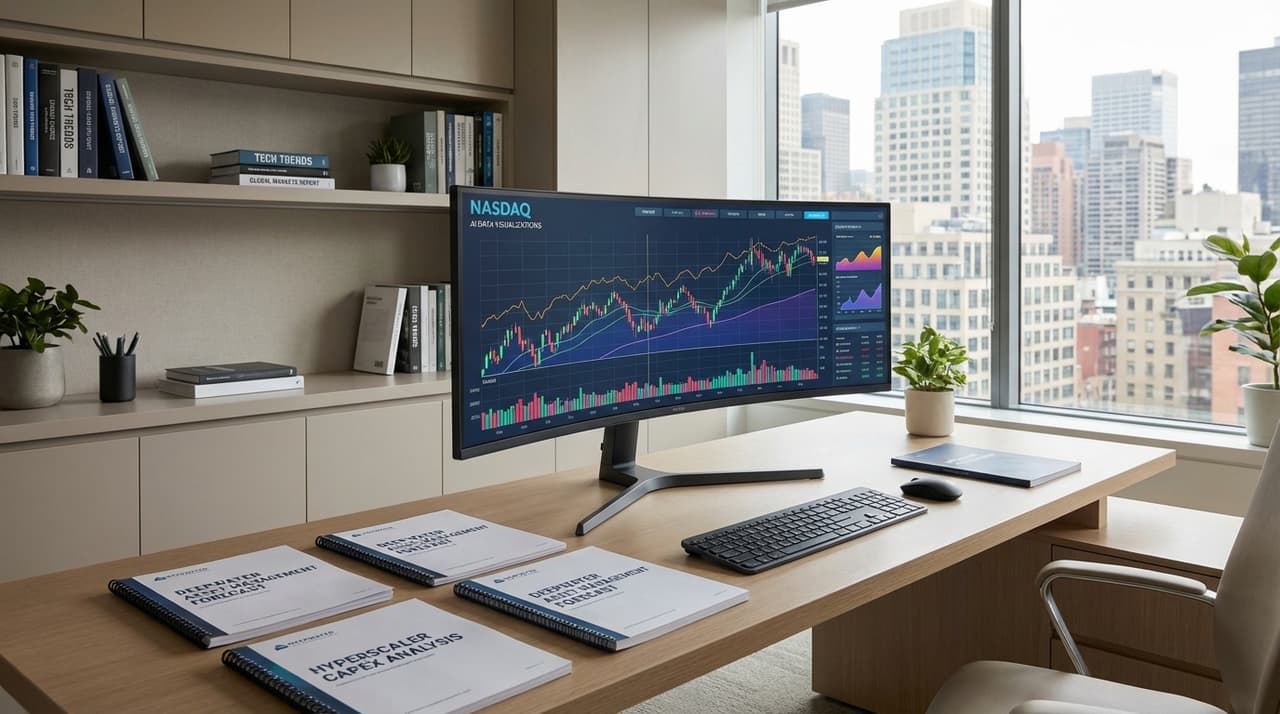
- Deepwater Asset Management forecasts the Nasdaq to rise about 10% in 2026, driven by continued AI strength.
- The firm expects small-cap tech to outperform, with hyperscaler capex growing 50% next year.
- Apple (AAPL), [Google (GOOGL) (GOOGL)](https://www.roic.ai/quote/GOOGL), and Tesla (TSLA) are seen as key players, each with specific milestones and risks ahead.
Deepwater Asset Management has publicly argued that the market is in year three of a five-year AI bull cycle, with AI spending and productivity gains supporting further equity upside into 2026. According to people familiar with the matter, the firm's analysis suggests that current bubble concerns help keep expectations contained, potentially preventing speculative excess.
Efforts to capitalize on AI-driven growth have hit a snag for some companies, but Deepwater remains optimistic. The firm expects the Nasdaq to rise about 10% in 2026, led by AI-related names and tech more broadly. This projection comes amid real-time market data showing tech stocks holding steady, with the Nasdaq Composite hovering near recent highs as investors digest ongoing earnings reports.
Small-cap tech is forecast to outperform large-cap tech, helped by a 'second wave' of AI beneficiaries such as infrastructure, software, and robotics. This broadening theme aligns with wider outlooks from major investment houses, which emphasize that AI enthusiasm is spreading beyond the biggest names. Hyperscaler capex—from cloud giants like Amazon (AMZN), Microsoft (MSFT), Google, and Meta (META)—is expected to grow roughly 50% next year, continuing the sharp rise in AI data-center spending that has already boosted semiconductor and hardware vendors.
Apple is anticipated to launch a materially upgraded, AI-enhanced Siri by around April 2026 and remain a solid market performer. A spokesperson for the company declined to comment on specific timelines, but industry insiders note that Apple's focus on on-device AI features could drive a significant upgrade cycle. Meanwhile, Google (Alphabet) is projected to lead the 'Magnificent 7' in 2026 performance, reflecting its strong position in search, cloud, and AI models. Without a deal to accelerate its AI monetization, some analysts warn, Google might face increased competitive pressure.
Tesla is expected to begin driverless robotaxi services in about five cities but still miss its 2026 vehicle delivery targets, underscoring execution risk on its core auto business even as it pushes autonomy. Attempts to reach Tesla for comment were unsuccessful, but sources indicate that regulatory approvals and technical hurdles could delay the rollout. This scenario highlights the mixed outlook for AI leaders, where high expectations meet practical challenges.
In a slightly more conversational tone, it's worth noting that these forecasts fit into a broader narrative where AI is creating real infrastructure and monetized demand, not just speculative gains. As one analyst put it, 'The AI bull run isn't just hype—it's backed by tangible capex and earnings growth.' However, imperfections in the data, such as potential overestimates in hyperscaler spending, could lead to revisions later this year. Updates on this story will follow as more details emerge from industry filings and earnings calls.