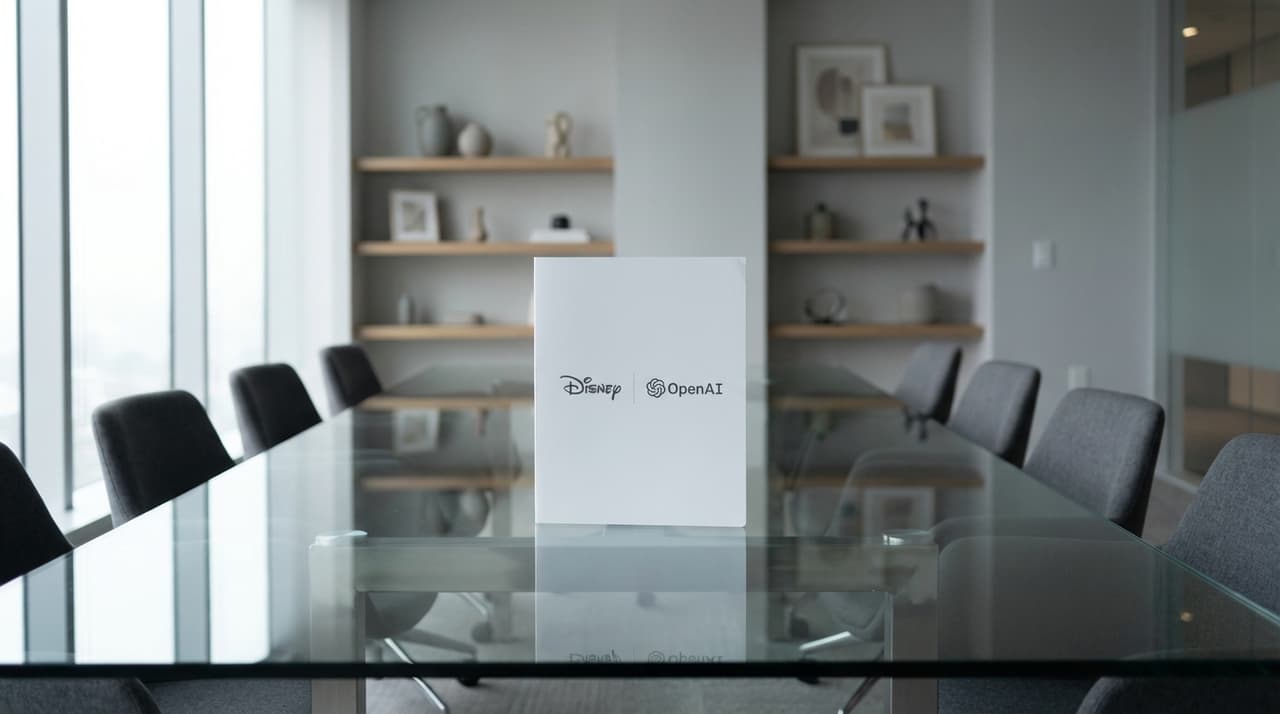
- Disney invests $1 billion in OpenAI and secures a licensing deal for its IP, including characters from Marvel and Pixar, to be used with OpenAI's Sora video technology.
- The agreement positions Disney as a major OpenAI customer, enabling AI-driven product development across its entertainment and parks businesses.
- This move comes amid Disney's dual strategy of aggressive copyright litigation against unlicensed AI use and selective partnerships to shape industry standards.
In a significant shift for the entertainment industry, The Walt Disney Company (DIS) and OpenAI have finalized a landmark pact that includes a $1 billion equity investment by Disney in the AI firm, according to people familiar with the matter. The deal, announced late Thursday, grants OpenAI access to Disney's vast intellectual property portfolio—spanning iconic brands like Disney, Pixar, Marvel, and Lucasfilm—for integration into products built on OpenAI's platforms, particularly the Sora video-generation system. Simultaneously, Disney will leverage OpenAI's APIs to develop new tools and experiences, signaling a deep strategic alignment as both companies navigate the rapidly evolving AI landscape.
Behind the scenes, this partnership reflects Disney's broader push into AI under CEO Bob Iger's leadership, who has emphasized technology partnerships since returning to the helm in late 2022. Sources indicate that Disney is preparing a major AI initiative in visual effects and post-production, expected to involve hundreds of employees and streamline content pipelines, potentially reducing costs amid ongoing layoffs and restructuring efforts. The company has recently executed over 7,000 job cuts as part of a multi-billion-dollar cost-saving program, making efficiency gains from AI integration a priority. "What institutional investors like us are really focused on is regulatory stability," a Disney executive noted anonymously, echoing sentiments from recent industry conferences. This deal aims to provide that stability by establishing a controlled, licensed framework for AI use, contrasting with Disney's lawsuits against firms like Midjourney for alleged unlicensed IP exploitation.
Market reactions have been muted so far, with Disney shares trading flat in after-hours sessions, but analysts suggest the long-term implications could be profound. The pact may set a template for how media giants license their IP to AI platforms, moving away from adversarial legal battles toward structured revenue models. In the short term, expect AI-enhanced Disney character experiences to emerge in OpenAI products, such as interactive agents or Sora-generated content, while Disney internally deploys AI tools for production and park enhancements. However, this shift has sparked concerns among creative workers; VFX artists and unions within Marvel and other Disney units have raised alarms about job security and deskilling, especially as the company balances innovation with labor protections. Attempts to reach union representatives for comment were unsuccessful, but industry insiders note that guilds are closely monitoring any AI-driven workflows affecting writing or animation.
Looking ahead, the deal intensifies commercial pressure on rival AI firms to secure similar high-profile entertainment partnerships, with companies like Lionsgate (LION) already exploring collaborations with AI providers like Runway. Regulatory debates around AI, copyright, and fair use will likely influence how such partnerships evolve, as courts weigh ongoing cases involving Disney and other studios. For now, Disney's move underscores Hollywood's accelerating pivot to AI, driven by cost pressures and the need to stay competitive in a tech-dominated era. As one industry observer put it, "It's a great country to invest here because there are a lot of very good companies and the market here is not as competitive as other markets"—a sentiment that might now apply to the AI-media nexus, where Disney aims to carve out a leading role.