- EU reduces Russian crude oil price cap to $44.10 per barrel, effective February 1, 2026, using a new dynamic mechanism for the first time.
- Bans EU operators from buying, importing, or providing services for petroleum products made in third countries from Russian crude, targeting circumvention via refineries in places like India or Turkey.
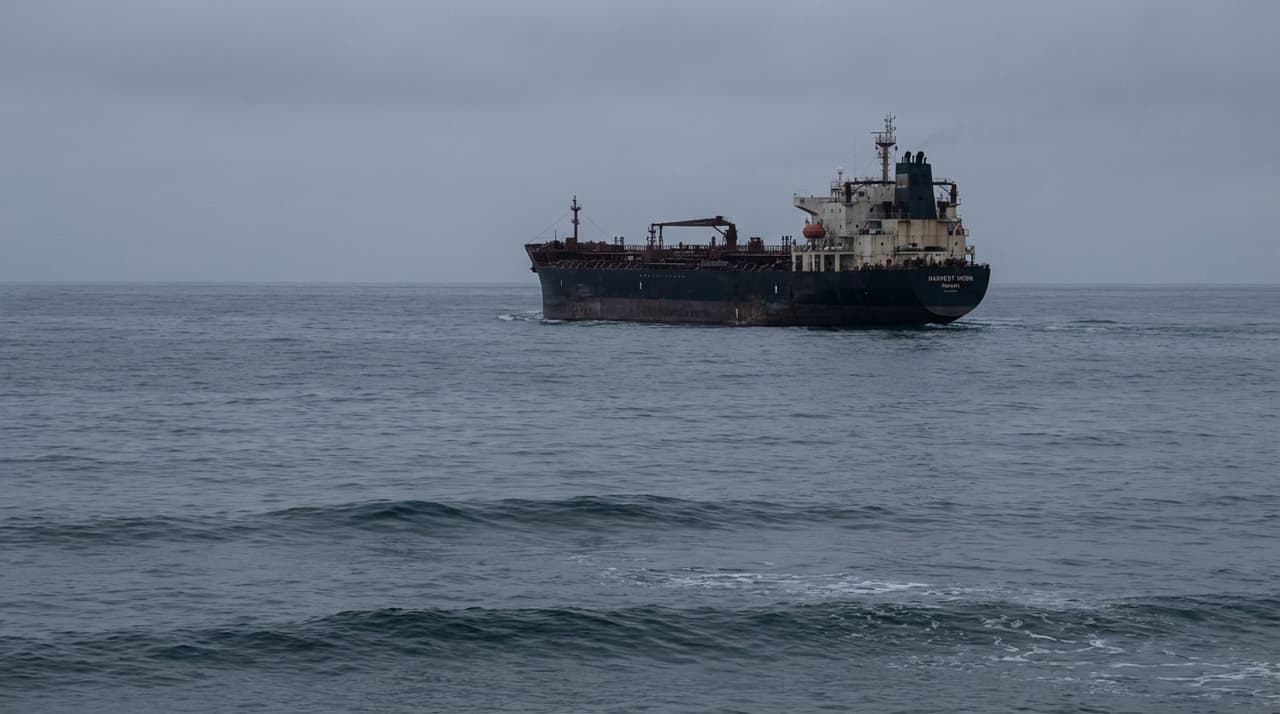
- Adds 105 "shadow fleet" vessels to port access and services bans, bringing the total to 444, while imposing a transaction ban on Nord Stream 1/2 pipelines.
In a move to further squeeze Russia's war funding, the European Union has applied its new dynamic price cap mechanism for the first time, lowering the cap on Russian crude oil from $47.60 to $44.10 per barrel. The adjustment, effective February 1, 2026, is set 15% below the 22-week average market price for Urals crude and will be reviewed every six months, according to people familiar with the matter. Pre-existing contracts under prior caps can execute for 90 days from January 15, 2026, providing a brief wind-down period for traders.
From January 21, 2026, EU operators face a ban on buying, importing, or providing technical and financial services for petroleum products made in third countries from Russian crude. This measure targets circumvention efforts via refineries in nations like India or Turkey, where Russian-origin crude has been processed and re-exported. "We're seeing increased enforcement on origin documentation to curb these evasion routes," said an anonymous EU official, highlighting the focus on non-compliant petroleum products under CN code 2710.
Market reactions have been muted so far, with northwestern European suppliers reporting minimal disruption as they already avoid Russian origins. However, southeastern Europe faces potential refined product shortages, particularly for hydrocarbon solvents via Turkey-Romania routes. The EU's 18th sanctions package, adopted in July 2025, also added 105 vessels to the shadow fleet list, now totaling 444, and imposed a transaction ban on Nord Stream 1/2 pipelines. Efforts to restructure the sanctions have hit a snag, with G7 partners like the US not yet matching the EU's cap reduction, risking regime divergence.
Industry experts note that the measures prioritize curbing Russia's energy revenues without halting global supplies, aiming to stabilize markets. "Sustained revenue pressure on Russia is key, but we're watching for any supply gaps in sensitive regions," a market analyst commented. The EU has coordinated with members, G7, Australia, and Norway, though no major public reactions have emerged. Compliance costs for EU energy firms are rising due to stricter documentation requirements, and attempts to reach Russian oil traders for comment were unsuccessful.
Looking ahead, the $44.10 cap will apply from February 1, with six-month reviews to ensure it tracks 15% below Urals prices. Long-term, further shadow fleet listings or tighter measures may follow if market shifts exceed 5%. The UK mirrored the earlier cap cut to $47.60 in September 2025 but with an extended wind-down to October 18, highlighting slight policy variations. As enforcement ramps up, the focus remains on reducing Russia's war capabilities while minimizing disruption to EU supplies.