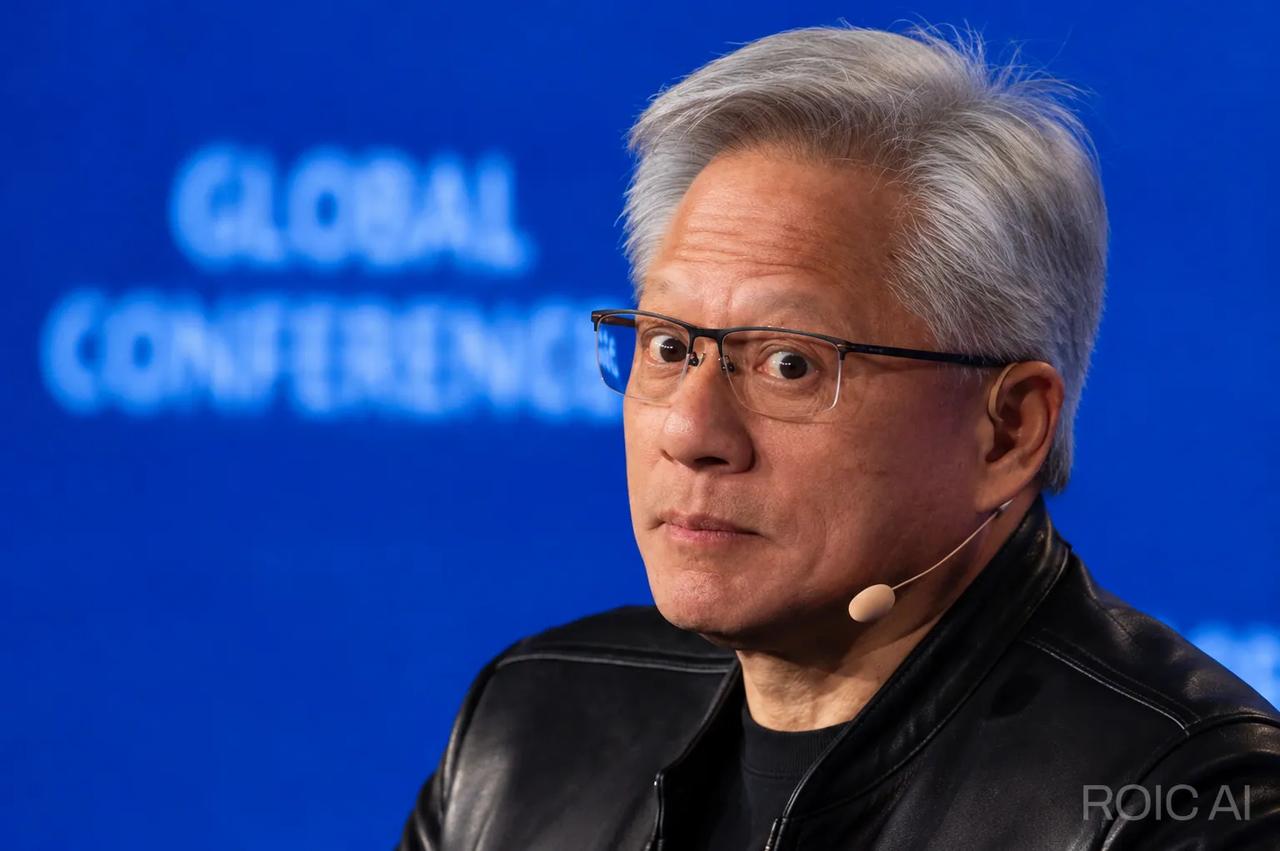
- Sen. Tim Scott says former Nvidia (NASDAQ:NVDA) CEO Jensen Huang will testify in a public hearing, though a date remains unconfirmed.
- The Senate Banking Committee is examining whether Huang's reported relationship with an alleged Chinese intelligence operative affected Nvidia's business dealings or enabled advanced chips to reach China through intermediaries.
- Nvidia's board has said it does not intend to reinstate Huang, even as the company reports blowout quarterly revenue of $115.8 billion.
Sen. Tim Scott, chairman of the Senate Banking Committee, said Friday that former Nvidia CEO Jensen Huang will testify in a public hearing, escalating a congressional investigation into the chipmaker's export controls and leadership turmoil. Scott confirmed earlier this week that both Huang and Commerce Secretary Howard Lutnick had agreed to appear voluntarily, and he has said he hopes the appearances will occur "before Christmas." The committee has requested December 3 for Huang and December 10 for Lutnick, but those dates have not been finalized.
The public hearing would mark Huang's first testimony before Congress, according to a person familiar with the matter, and follows his abrupt resignation as president, CEO and director on November 12. CFO Colette Kress stepped in as interim CEO, and the board has since said it does not intend to reinstate Huang despite his stated willingness to return.
At the heart of the inquiry is whether Huang's reported relationship with an alleged Chinese intelligence operative influenced Nvidia's business dealings or allowed advanced chips to reach China via intermediaries. Those are allegations and investigative questions, not established findings of espionage or misconduct. Scott has also raised questions about Commerce Department enforcement, asking why the agency had not placed Megaspeed—a Singapore-based company suspected by U.S. investigators of diverting Nvidia chips to China—on its Entity List after earlier warnings.
The investigation has two tracks: whether Nvidia adequately screened customers and intermediaries, and whether Commerce officials properly enforced export restrictions. The political pressure is bipartisan, with Republican committee chairs threatening subpoenas and seeking testimony from both company and administration officials.
Separately, Huang is scheduled to sit for a closed-door, transcribed interview with the House Foreign Affairs, Intelligence and China Select committees on December 1. Nvidia general counsel Tim Teter is set to appear before the same panels on December 2. The House Energy and Commerce Committee has also requested a briefing from interim CEO Kress by December 2 on chip exports and the relationship under investigation.
Nvidia declined to comment on the Senate hearing. A spokesperson for Scott's office did not respond to a request for additional comment on the timing.
The scrutiny comes as Nvidia continues to post explosive growth. For its fiscal third quarter ended October 25, the company reported revenue of $115.8 billion, up 103% year over year and 20% sequentially. Data Center revenue reached $107.6 billion, up 110% from a year earlier. Net income was approximately $65.3 billion, and earnings per share of $2.77 easily beat analyst expectations of $2.48.
Yet investors have grown uneasy. A Reuters (NASDAQ:TRI) commentary on Friday noted that Nvidia has lost roughly $2 trillion in market value over about six weeks, despite beating revenue expectations. That decline also reflects broader market pressures, including interest-rate concerns and anxiety about AI-investment valuations, so it should not be attributed solely to the Huang investigation.
In a bid to shore up governance, Nvidia on November 17 established a standing National Security and Export Control Oversight Committee, chaired by Suzanne Nora Johnson. The company's national-security and global-trade compliance teams will report directly to the committee and to Kress. The same day, Nvidia announced expanded supply-chain commitments with Kinsus (TWSE:3189) and Samsung Electro-Mechanics (KRX:009150), signaling that capacity expansion is continuing alongside the compliance response.
The broader policy backdrop remains fluid. Reuters reported that the Trump administration announced additional limits on China's access to advanced AI chips on November 16, including restrictions involving shipments through Southeast Asian countries. China's Commerce Ministry warned of countermeasures if the rule was imposed.
Attention now turns to the December interviews and the yet-to-be-confirmed Senate dates. Voluntary appearances reduce the immediate need for subpoenas, but they do not resolve the underlying questions. For investors, the permanent CEO appointment and the scope of external investigations remain major uncertainties—ones that, for now, are overshadowing otherwise robust financial results.