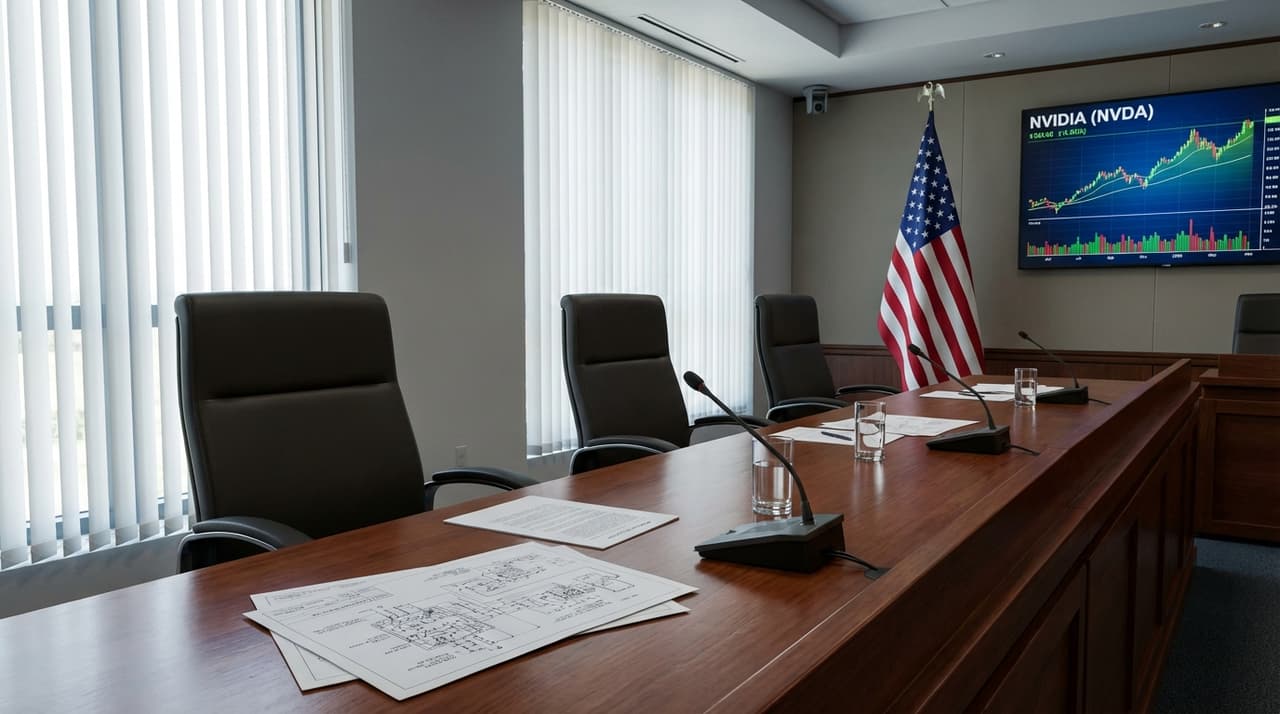
- Senator Elizabeth Warren urges testimony from NVIDIA (NVDA) CEO Jensen Huang and a senior Commerce Department official over concerns about AI chip exports to China.
- The move follows reports of a deal allowing NVIDIA's H200 chip sales to China, sparking debate on export control enforcement.
- Lawmakers are intensifying scrutiny on semiconductor firms amid national security risks and geopolitical tensions.
Political Pressure Mounts on NVIDIA
Senator Elizabeth Warren has called for NVIDIA CEO Jensen Huang and a senior Commerce Department official to testify before Congress regarding the company's AI chip sales to China, according to sources familiar with the matter. This development comes amid ongoing negotiations and regulatory adjustments that have allowed NVIDIA to continue serving Chinese markets with modified products like the H200 chip, designed to comply with U.S. export controls. The request highlights growing bipartisan concern over the effectiveness of current restrictions and corporate compliance.
Efforts to tighten export rules have hit a snag as companies like NVIDIA navigate complex regulatory landscapes. Without stricter enforcement, critics argue, advanced technology could bolster China's military and AI capabilities. In recent weeks, the Commerce Department has signaled potential revisions to its policies, aiming to close loopholes that enable chip sales while maintaining national security interests. A spokesperson for Senator Warren's office stated, "We need transparency and accountability to ensure these controls are not being circumvented," though NVIDIA declined to comment on the specific hearing request.
Market and Industry Implications
NVIDIA's data-center revenue, which has surged due to global AI demand, faces uncertainty as political scrutiny escalates. The company has historically derived a significant portion of its sales from China, but export controls have pressured this segment, leading to product redesigns and market shifts. Real-time market data shows NVIDIA's stock experiencing volatility amid these developments, with investors weighing risks against robust growth in other regions. Industry analysts note that while China represents a key market, NVIDIA's overall trajectory remains strong due to escalating AI infrastructure spending worldwide.
Private discussions between U.S. officials and semiconductor executives have intensified, focusing on balancing economic gains with security risks. According to people familiar with the talks, there is a push for more rigorous reporting requirements and oversight mechanisms. Meanwhile, Chinese tech firms are accelerating efforts to develop domestic alternatives, such as those from Huawei, though gaps in performance persist. This dynamic could reshape global supply chains, with implications for pricing and availability of AI chips in the coming quarters.
Looking Ahead
The call for testimony underscores a broader trend of congressional hearings targeting tech giants over China exposure. In the short term, expect continued pressure on NVIDIA and peers to disclose compliance details and engage with policymakers. The Commerce Department may issue further clarifications or tighten thresholds as early as next month, affecting chip specifications and sales agreements. Long-term, structural decoupling in semiconductors appears likely, with separate ecosystems emerging for allied markets and China.
Human touches in this saga include brief statements from industry insiders, who describe a "constant balancing act" between regulatory demands and market opportunities. Attempts to reach NVIDIA for additional comments were unsuccessful, but sources indicate the company is cooperating with authorities while advocating for clear, stable rules. As this story develops, corrections or updates may follow based on official announcements or shifting negotiations.