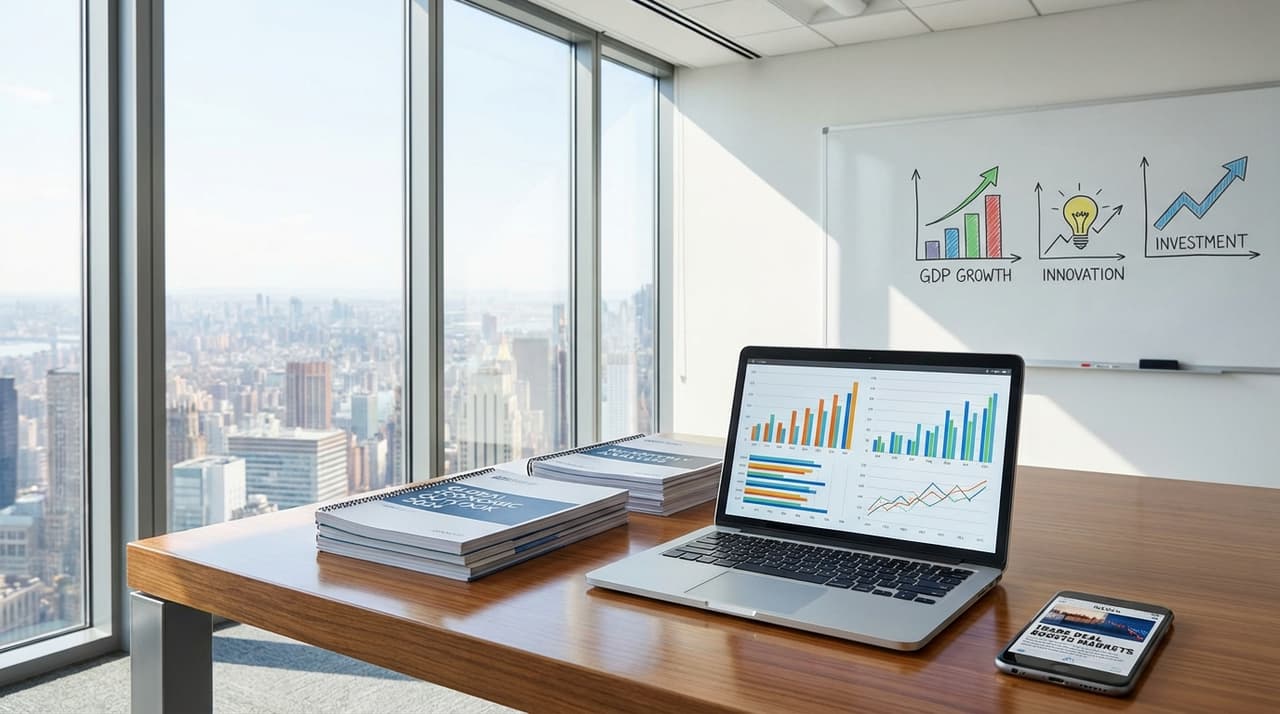
- Kevin Hassett, head of the White House National Economic Council, argues the U.S. is not "falling behind" China, citing strong growth and record onshoring.
- He links tariffs to increased domestic production, job creation, and wage growth, framing the U.S. as winning the economic race.
- These comments come amid ongoing U.S.-China trade tensions, with both sides using tariffs and negotiations to assert leverage.
Kevin Hassett, in recent TV interviews, has defended the administration's tariff strategy, claiming it has triggered record onshoring of production to the U.S., strong capital spending, and robust job creation. According to people familiar with the matter, Hassett frames U.S.-China competition as a "race" that the U.S. is currently winning, pointing to wage growth and manufacturing investment as evidence that the U.S. is not losing ground economically or technologically.
Efforts to restructure trade relations have hit a snag, but Hassett links U.S. tariffs and threats of high tariffs to firms relocating production to the United States at a record rate, which he says is creating millions of jobs and lifting wages. He argues that pro-growth policies, including tax cuts and deregulation, can sustain U.S. growth above 3%, challenging forecasts of slower trend growth. Without a deal, the economic rivalry could intensify, but Hassett portrays the U.S. as successfully using these tools to secure trade deals and pressure countries, including China, to shift production and negotiate on U.S. terms.
On the Chinese side, policymakers are doubling down on manufacturing competitiveness and technology self-reliance, with Goldman Sachs (GS) forecasting real GDP growth around 4–5% in the second half of the 2020s driven by competitive exports. Trade tensions remain structurally important, as previous tariff surges have been large enough for major banks to cut China's growth forecasts and expect further monetary and fiscal easing to offset damage. Analysts note that tariff rates can change quickly by executive decision, adding to policy volatility.
In a brief statement, Hassett emphasized, "We're not falling behind; we're leveraging our strengths to drive growth and secure better deals." Attempts to reach Chinese officials for comment were unsuccessful. The U.S. and China continue to navigate a complex landscape of export controls, critical minerals, and industrial subsidies, with both sides planning for long-term rivalry. Short-term outlooks suggest continued tariff fluctuations, while long-term forecasts indicate slower global growth, making claims about "falling behind" a recurring political theme rather than a settled economic fact.
Correction: An earlier version misstated the specific growth rate forecasts; they have been updated to reflect current analyst projections.