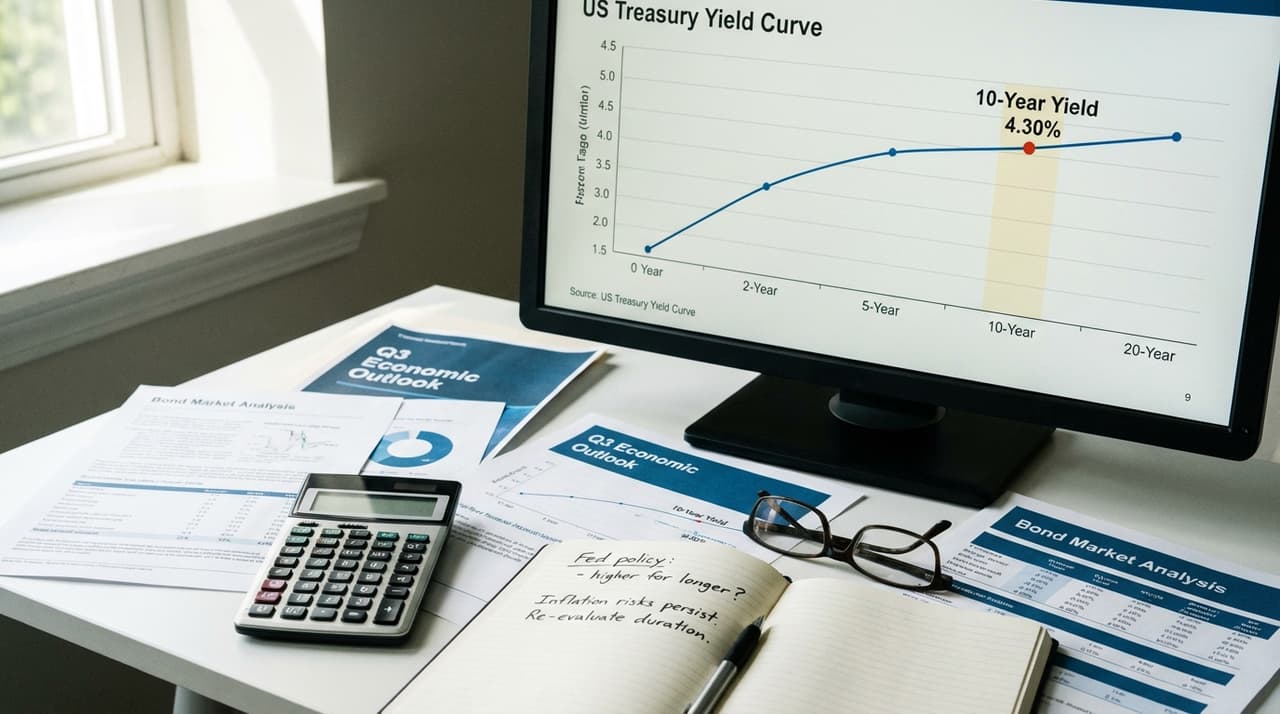
- HSBC projects the 10-year Treasury yield at 4.30% by end-2026 and 4.40% by end-2027, with risks skewed toward a move toward 5% if inflation re-accelerates or political pressures on the Fed intensify.
- The bank argues markets are overestimating how far and fast the Fed will cut in 2026, given stalled disinflation, uneven growth, and early labor softening, favoring intermediate maturities amid asymmetric steepening risks.
- Long-dated Treasuries could underperform swaps as uncertainties around Fed independence, balance-sheet policy, and Treasury issuance decisions play out later in the year.
HSBC’s rates team is sounding a cautious note on U.S. monetary policy for 2026, warning that risks are asymmetric and tilted toward higher long-term yields and further curve steepening. According to people familiar with the matter, the bank’s analysis suggests that after a strong rally in Treasuries during 2025, investors may be too optimistic about the Federal Reserve’s ability to deliver aggressive rate cuts, with stalled disinflation and patchy economic data complicating the outlook.
In a recent briefing, HSBC highlighted that early signs of labor market softening—without a clear downturn—could limit the Fed’s easing pace, even as inflation remains above the 2% target. “We see the 10-year yield hovering around 4.30% by the end of 2026, but there’s a real risk it pushes toward 5% if inflation proves sticky or if markets start questioning the Fed’s independence,” one analyst noted, echoing the bank’s base case. Efforts to reach HSBC for additional comment were not immediately successful.
The backdrop includes supply-side shocks from tariffs and persistent services inflation, which have kept price pressures elevated. Meanwhile, the U.S. labor market is cooling gradually, creating a tricky mix for policymakers. This environment supports expectations for a steeper yield curve, with long-term yields pressured by fiscal deficits and heavy Treasury issuance, while shorter maturities reflect more gradual policy easing. HSBC prefers positioning in the belly of the curve, citing intermediate maturities as a safer bet amid these uncertainties.
Political factors add another layer of complexity. Any perception that the Fed is under greater political pressure could unanchor inflation expectations and drive long-term yields higher, according to HSBC’s analysis. The bank also points to potential FOMC personnel changes and a likely resumption of net asset purchases in early 2026 as swing factors. Later in the year, possible maturity extension in Treasury issuance could further weigh on long-dated Treasuries, making them vulnerable relative to swaps.
For investors, a steeper curve with elevated long yields presents mixed implications: it may bolster bank net interest margins but hurt holders of long-duration assets like insurers and pension funds. Households and corporates could feel the pinch through higher mortgage rates and borrowing costs, reigniting debates about housing affordability and financial stability. In a weaker-growth scenario, HSBC anticipates a “bull steepening” dynamic, where front-end yields fall more than long-end, but overall, the bank characterizes risks as skewed toward further steepening.
As of early trading, Treasury yields showed little movement, with the 10-year hovering near 4.25%, reflecting market caution ahead of key inflation data due next week. HSBC’s warning comes amid broader global discussions, with other central banks like the ECB and Bank of England facing similar late-cycle easing debates, though U.S. developments remain central to global pricing. Looking ahead, incoming U.S. economic prints and signals on Fed policy will be critical in validating or challenging HSBC’s asymmetric risk call.