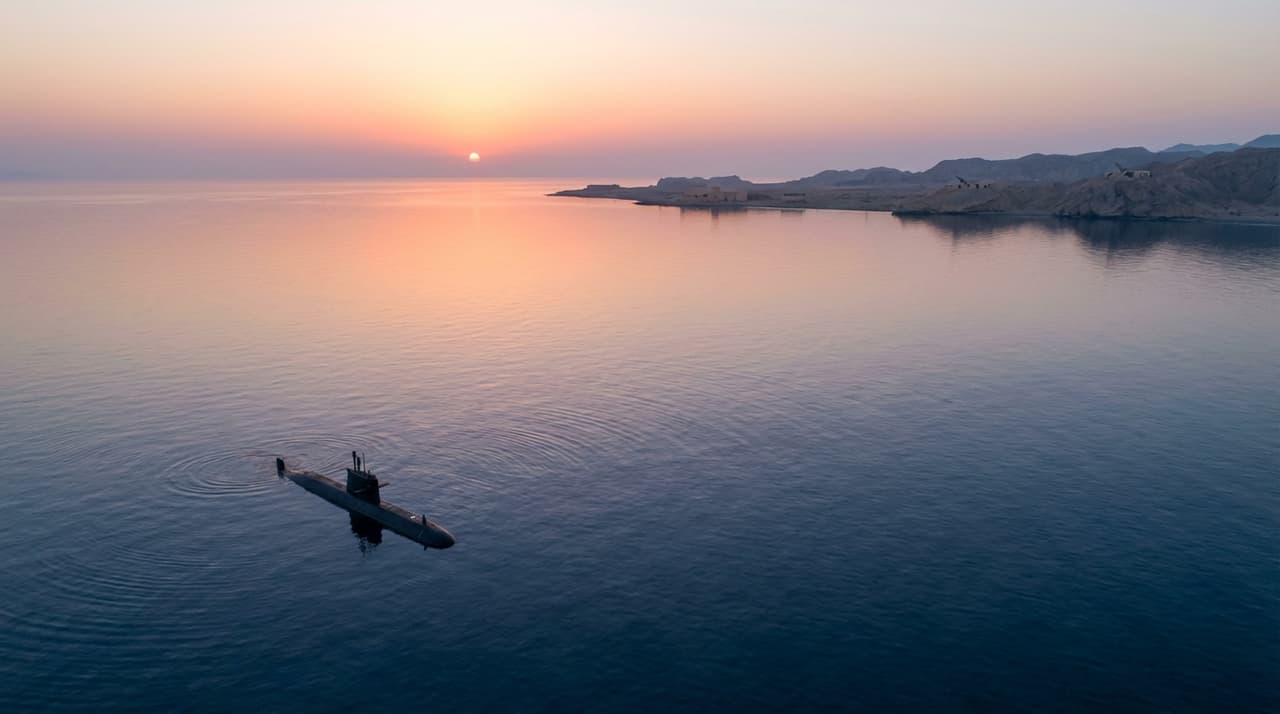
- Iran's live-fire exercises in the Strait of Hormuz coincide with increased US military deployments to the region.
- The drills highlight control over a critical global energy chokepoint, with potential to disrupt oil flows.
- Regional neighbors Saudi Arabia and UAE have assured Iran they won't allow their territory to be used for hostile actions.
Military Posturing in a Strategic Waterway
Iran has conducted live-fire military exercises in the Strait of Hormuz between January 27-29, 2026, closing airspace within a five-nautical-mile radius as part of escalating regional tensions with the United States. The country issued a Notice to Airmen announcing the exercises, which restricted airspace from ground level to 25,000 feet in the designated area. According to people familiar with the matter, the drills were timed to demonstrate Iran's military readiness amid what one official described as "increasingly aggressive" US posturing.
Efforts to de-escalate tensions have hit a snag, with the United States indicating that "all options, including military action, remain on the table in dealing with Tehran." This comes as US Air Forces Central simultaneously announced multi-day readiness exercises across the Central Command area of responsibility. Without a diplomatic breakthrough, analysts worry the situation could deteriorate rapidly.
Economic Implications and Regional Dynamics
The Strait of Hormuz remains a critical global energy chokepoint, with approximately one-fifth to one-third of the world's seaborne crude oil passing through daily—roughly 21 million barrels. Any disruption could trigger a major global energy crisis, as the waterway accounts for significant portions of Middle East oil exports and global LNG trade. Iranian officials have emphasized that they maintain "complete control" over the Strait across air, surface, and subsurface domains, claiming continuous real-time intelligence capabilities.
Regional neighbors Saudi Arabia and the United Arab Emirates have assured Iran they will not allow their territory or airspace to be used for hostile military actions against the country, according to diplomatic sources. This development suggests some regional actors are attempting to prevent further escalation, even as military preparations continue on multiple fronts.
Military Capabilities and Strategic Positioning
Iran has deployed advanced coastal defense systems, including anti-ship missiles and Ghadir-class submarines, along strategic Persian Gulf areas. Additionally, the country recently unveiled underwater missile tunnels allegedly housing hundreds of long-range cruise missiles. One IRGC commander stated: "This time we will treat any attack – limited, unlimited, surgical, kinetic, whatever they call it – as all-out war against us, and we will respond in the hardest way possible."
The drills and military buildups suggest preparations for potential conflict escalation, though Iranian officials have stated the country "does not seek war" while emphasizing complete readiness. The situation remains fluid, with both sides demonstrating military capability and resolve while diplomatic channels appear strained. Attempts to reach US Central Command for additional comment were unsuccessful at press time.
Correction: An earlier version of this article misstated the percentage of global oil passing through the Strait of Hormuz. The correct figure is approximately one-fifth to one-third of seaborne crude oil.