- Federal Reserve Chair Jerome Powell highlights AI infrastructure investment as a key driver of U.S. economic growth, distinguishing it from speculative bubbles.
- AI-related capital spending, particularly in data centers and equipment, is described as not interest-sensitive, backed by corporate earnings and real business models.
- The surge in AI spending is contributing to GDP growth and industrial power demand, with implications for labor markets and financial stability.
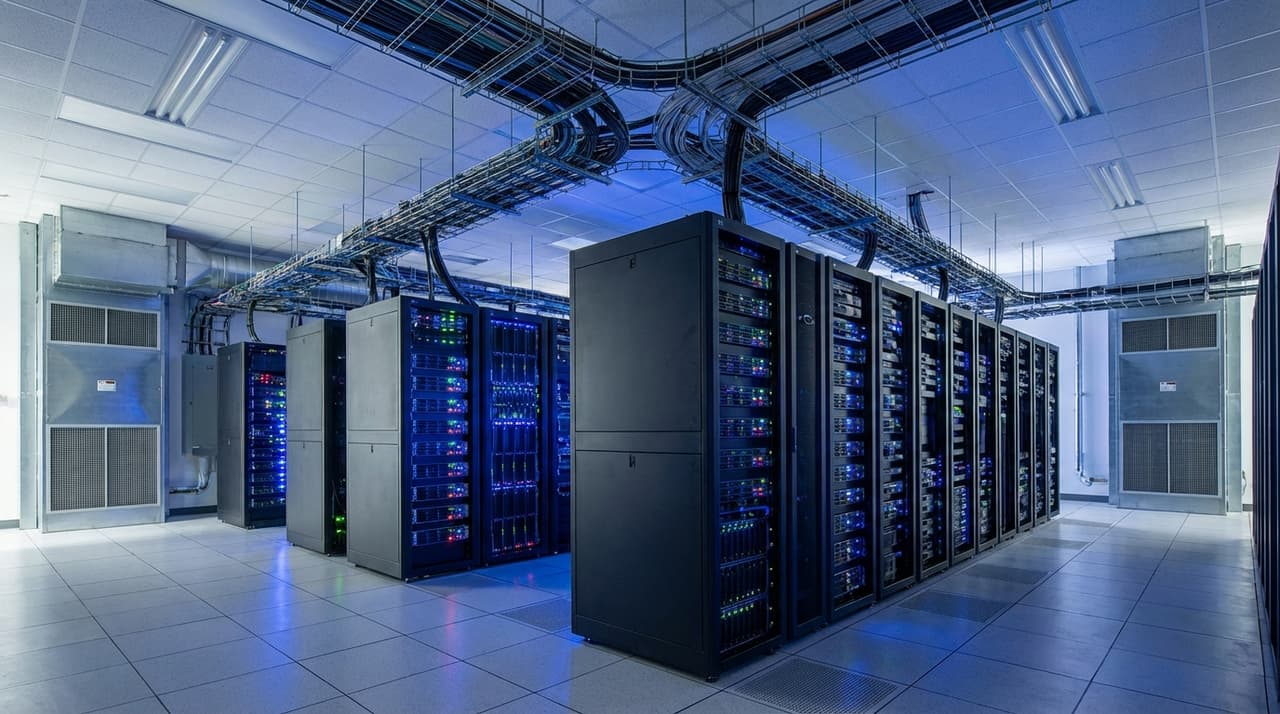
In his October 29, 2025 FOMC press conference, Fed Chair Jerome Powell underscored that the ongoing boom in artificial intelligence infrastructure is substantial and becoming a meaningful contributor to U.S. economic expansion. According to people familiar with the matter, Powell emphasized that this wave of investment, focused heavily on data centers and related equipment, is driven by long-term strategic decisions rather than cheap-money speculation, making it "not especially interest sensitive."
Powell pointed out that AI firms "actually have earnings" and possess real business models, a stark contrast to the dot-com bubble era where many companies operated without profits. This distinction, he argued, supports the view that current AI spending does not constitute a classic asset bubble. Analysts, including those from Goldman Sachs (GS) and UBS (UBS), estimate global AI investment is set to grow about 67% in 2025 and 33% in 2026, with AI capex underpinning expected earnings growth. For instance, Alphabet (GOOGL) recently posted nearly $35 billion in quarterly profit and raised its 2025 investment target above $90 billion, much of it AI-related, illustrating Powell's point.
The Fed chair noted that AI build-out is now "one of the big sources of growth in the economy," visible in equipment orders, construction, and power demand. JPMorgan (JPM) has estimated AI-related infrastructure could add roughly 0.2 percentage points to U.S. growth over the next year. However, this boom is driving industrial power demand to record levels, forcing utilities to accelerate grid upgrades and exposing grid-capacity constraints, according to industry sources.
Powell acknowledged that while AI investment boosts aggregate output, it may simultaneously slow job creation, with many recent corporate announcements reducing hiring or implementing layoffs explicitly citing AI capabilities. He warned this "could absolutely have implications for job creation," feeding into wider societal debates over automation and inequality. Efforts to balance innovation with risk management are ongoing, as policymakers monitor AI's labor-market and financial-stability implications.
Looking ahead, economists expect continued rapid growth in AI-related capex, supporting earnings growth and capital-goods demand. Powell cautioned that it is too early to declare a permanent productivity revolution, noting that the distribution of gains could be "uneven." Goldman Sachs research cited with his remarks estimates AI-enabled productivity gains could be worth about $8 trillion in present value for the U.S. economy, with high-end scenarios reaching up to $19 trillion.
In a brief update, the Fed clarified that Powell's comments were based on current data and trends, with no immediate policy changes announced. Attempts to reach additional industry executives for comment were unsuccessful at press time.