- Russia's Foreign Ministry uses the death of a British soldier in Ukraine to accuse the UK of direct involvement in 'extremist actions' and demands transparency on the soldier's activities.
- The UK Ministry of Defence confirmed the soldier, Lance Corporal George Hooley, died in a 'tragic accident' while observing Ukrainian forces test a new defensive capability away from front lines.
- The incident highlights ongoing Western military support in Ukraine, with potential implications for diplomatic tensions and safety protocols for personnel deployed in conflict zones.
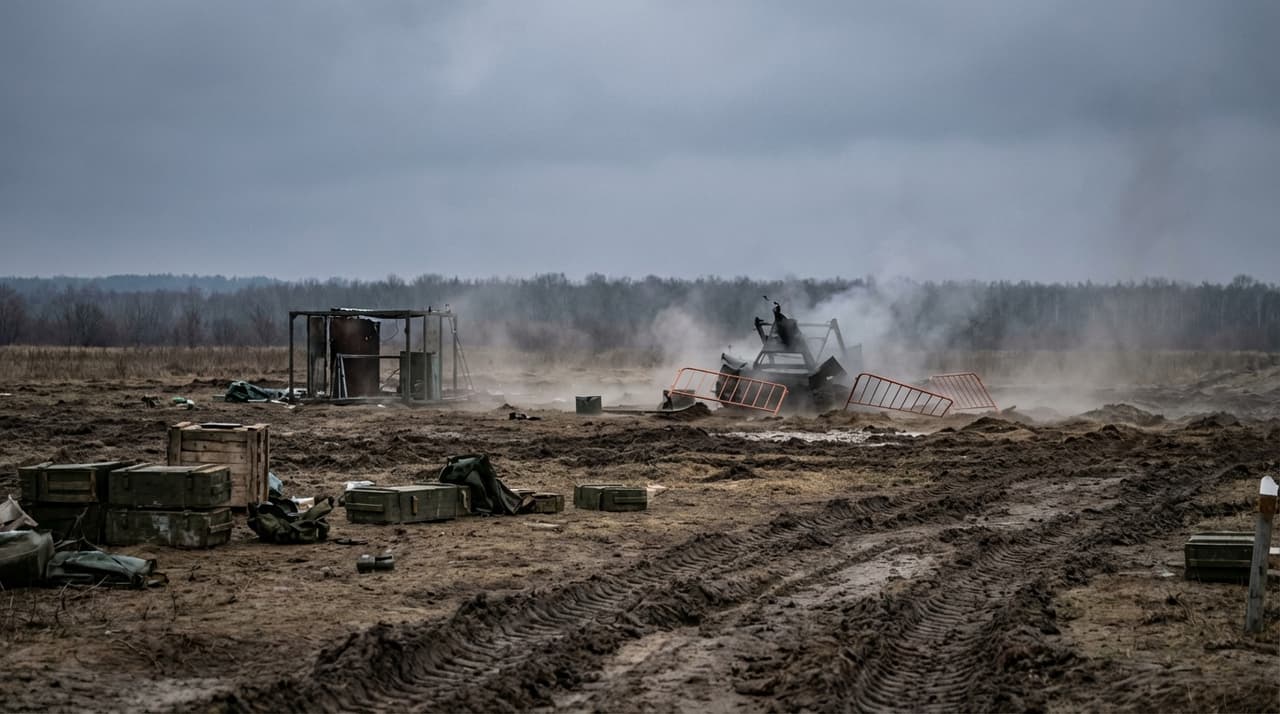
Russia has escalated diplomatic pressure on the United Kingdom following the death of a British soldier in Ukraine, with the Foreign Ministry in Moscow demanding that London disclose what the soldier was doing there and accusing the UK of participating in 'extremist actions.' This move comes after the UK Ministry of Defence announced on 9 December that a member of the UK Armed Forces was killed in a 'tragic accident' while observing Ukrainian forces test a new defensive capability, away from the front lines. Prime Minister Keir Starmer identified the soldier as 28-year-old Lance Corporal George Hooley of the Parachute Regiment, praising his service and stating he died helping Ukraine test defensive equipment.
According to sources familiar with the matter, the testing involved a new weapons or air-defence system, and the trial 'went badly wrong,' possibly due to an explosion or ammunition malfunction, as reported by Times Radio. Russia's Foreign Ministry spokeswoman seized on the incident, publicly calling for Britain to explain the soldier's presence in Ukraine and reinforcing Moscow's narrative that NATO states are direct parties to the conflict. This accusation fits into a broader information campaign by Russia to portray Western nations as combatants, potentially to justify its own escalations and pressure public opinion in allied countries.
In response, the UK government has reaffirmed its policy of supporting Ukraine's self-defence, emphasizing that Ukraine has a sovereign right to request such assistance. A spokesperson for the Ministry of Defence noted that there are a 'small number of British personnel in Ukraine' involved in training, liaison, and equipment support roles, but stressed they are not engaged in frontline combat. Efforts to reach Russian officials for further comment were unsuccessful, though analysts suggest this incident may lead to tighter safety protocols and clearer rules of engagement for Western personnel in Ukraine.
Market observers note that while there is no immediate direct impact on financial markets, the event underscores the continuing flow of Western military assistance to Ukraine, which ties into ongoing defence spending and procurement in the UK and allied states. Indirectly, it may add to political debates in Europe about the costs and risks of long-term military support, though there is no sign yet of a shift in UK macroeconomic policy related to this development. The death has sparked media and parliamentary scrutiny in the UK over transparency regarding deployments and risk management during weapons testing, with some lawmakers calling for more cautious public communication.
Looking ahead, short-term implications include increased diplomatic friction between the UK and Russia, with Moscow likely to amplify the incident in propaganda efforts. In the long term, this may result in revised safety measures for personnel and heightened awareness of escalation risks in conflict zones. The incident also reflects broader trends in the Ukraine conflict, where Western technical support and training roles have periodically drawn Russian criticism, highlighting the delicate balance between assistance and perceived involvement.