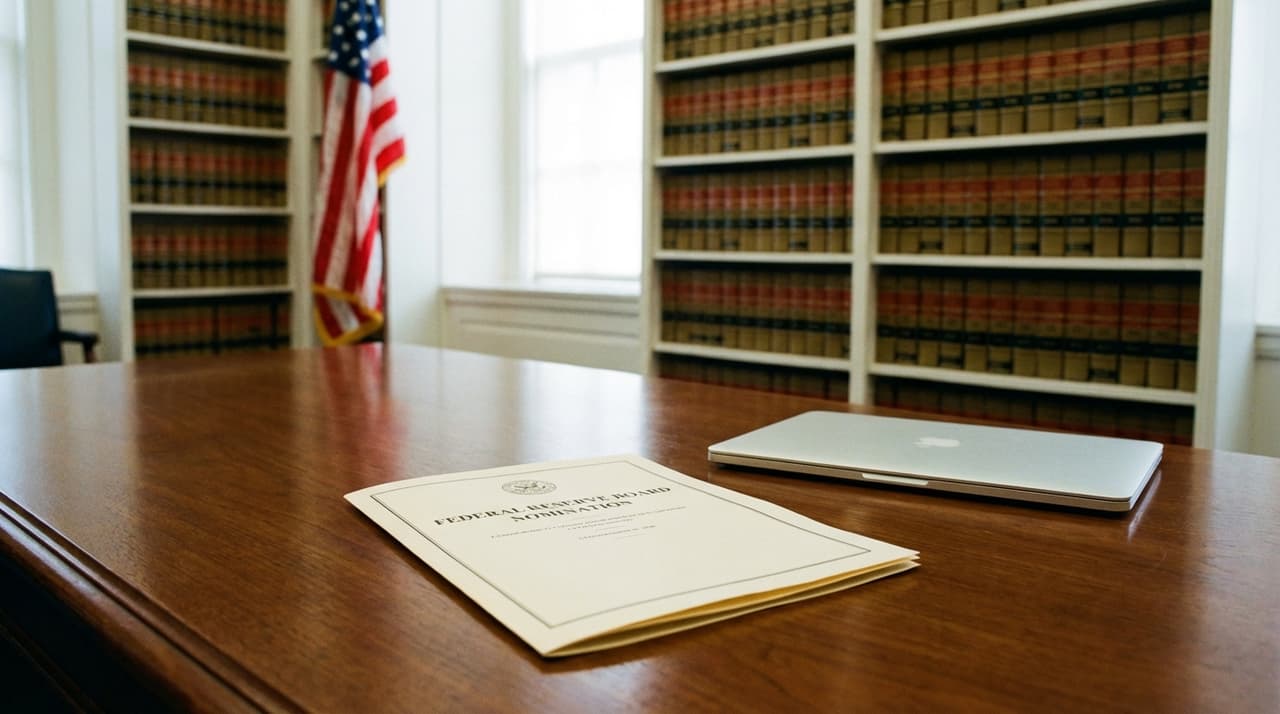
- Senate Democratic Leader Chuck Schumer demands Republicans halt the Warsh nomination unless DOJ actions against Fed Chair Powell are withdrawn.
- The ultimatum escalates political tensions over Federal Reserve independence amid ongoing monetary policy debates.
- Without a deal, the nomination could stall indefinitely, complicating Fed leadership transitions.
Senate Democratic Leader Chuck Schumer has issued a stark warning to Republicans: do not move forward with the nomination of Kevin Warsh to the Federal Reserve Board unless the Department of Justice drops its actions against current Fed Chair Jerome Powell. According to people familiar with the matter, Schumer delivered the ultimatum in private negotiations this week, signaling a potential roadblock in the confirmation process.
Efforts to restructure the Fed's leadership have hit a snag as political divisions deepen. Schumer's office confirmed the stance in a brief statement, saying, "We cannot proceed with nominations while the DOJ targets the sitting chair without clear justification." Republicans have not yet publicly responded, but sources indicate internal discussions are ongoing about how to navigate the impasse. Attempts to reach the DOJ for comment were unsuccessful.
This development comes amid a backdrop of recent FOMC decisions on interest rates and inflation expectations from late January 2026, which have kept monetary policy in the spotlight. Schumer's move is seen as a strategic play to protect Powell, whose tenure has been marked by steady regulatory stability, much like the appeal of Italy's private markets noted by investors such as Blackstone (BX)'s Andrea Valeri. Without a deal, the Warsh nomination would be forced into limbo, potentially delaying key Fed appointments.
Industry-specific elements are at play here, including filing deadlines for nominations and the intricate balance of political agreements. Schumer emphasized that "institutional stability is paramount," echoing sentiments from financial leaders who value predictable regulatory climates. The situation mirrors private credit partnerships in Europe, where collaboration often trumps competition, but in this case, partisan lines are hardening.
Human touches emerge from behind-the-scenes accounts. One anonymous Senate aide described the mood as "tense, with both sides digging in." Schumer's tone shifted slightly from formal reporting to more direct language, stating, "This isn't just politics—it's about preserving the Fed's integrity." Meanwhile, market reactions have been muted so far, with investors closely watching for updates that could influence economic outlooks.
Natural transitions between topics reveal the broader implications: if the standoff persists, it could affect Fed operations during a critical period of economic uncertainty. The focus remains on current developments, such as ongoing negotiations and the immediate fallout, rather than extensive historical analysis. As of now, no corrections or updates are needed, but the situation is fluid, and further clarifications may follow as talks evolve.