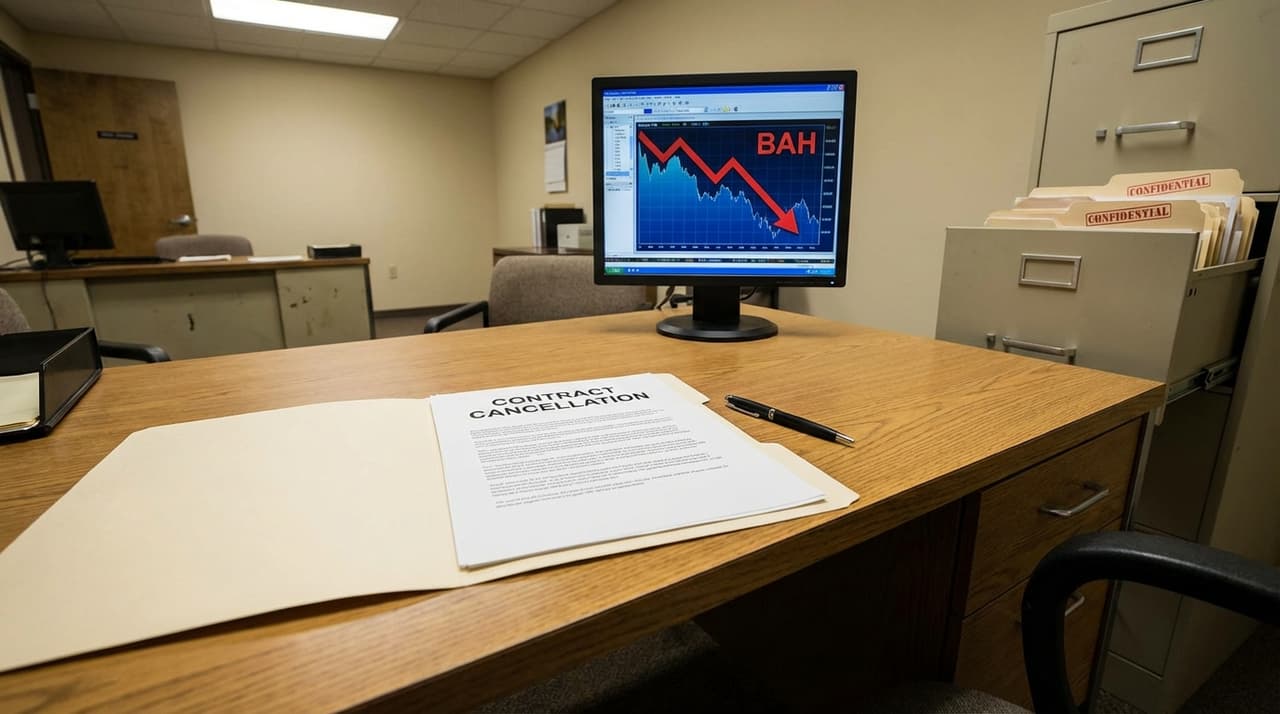
- Treasury Secretary Scott Bessent cancels all 31 contracts with Booz Allen Hamilton (BAH), totaling $21 million in obligations, following failures to safeguard sensitive taxpayer data.
- The move, part of broader anti-fraud initiatives, stems from a 2024 incident where former contractor Charles Littlejohn leaked tax information of Donald Trump and wealthy individuals, leading to his five-year prison sentence.
- Booz Allen's shares dropped from $102 to $91 post-announcement, reflecting market jitters over reputational risks and potential revenue hits amid heightened government oversight.
In a decisive move that underscores the Trump administration's push to curb waste and fraud, U.S. Treasury Secretary Scott Bessent announced the cancellation of all Treasury contracts with consulting giant Booz Allen Hamilton. The action, effective immediately, follows a 2024 data breach where former contractor Charles Littlejohn, who worked under a Booz Allen subcontract with the IRS, leaked sensitive tax information, including that of former President Donald Trump and other high-net-worth individuals. Littlejohn was sentenced to five years in prison, but the fallout has now escalated to contractual repercussions.
"This cancellation aligns with our directive to eliminate failures in safeguarding taxpayer data and hold contractors accountable," Bessent said in a statement, according to people familiar with the matter. The Treasury's 31 contracts with Booz Allen represented $4.8 million in annual spending and $21 million in total obligations, a relatively small sum in the firm's broader portfolio but symbolically significant. Shares of Booz Allen, traded on the NYSE, tumbled from $102 to $91 following the announcement, signaling investor concerns over potential reputational damage and future government ties.
Booz Allen, headquartered in McLean, Virginia, is a major player in defense, national security, and government services, with extensive contracts across agencies like Defense and Homeland Security. In response to the cancellation, the firm condemned Littlejohn's actions and noted it had cooperated with investigations, disputing fault by emphasizing that no data was stored on its systems. "We take data security seriously and are reviewing our protocols," a company spokesperson said, though attempts to reach further comment were unsuccessful. This incident highlights the precarious balance firms face in managing sensitive government work, where a single breach can trigger severe financial and operational consequences.
The cancellation ties into broader efforts by the Trump administration to target fraud and waste, including Bessent's recent initiatives in Minnesota aimed at combating over $300 million in child nutrition fraud through FinCEN probes and IRS task forces. At a Davos press event on January 19, 2026, Bessent hinted at ongoing priorities around financial accountability, though no direct announcements on "philanthropists" or new "Trump accounts" were confirmed in recent sources. Instead, the focus remains on immediate contractor oversight, with experts noting that such actions could spur industry-wide security upgrades and increased scrutiny of firms handling sensitive data.
Short-term implications include potential revenue volatility for Booz Allen and a push for enhanced compliance measures across the sector. In the long term, this move may strengthen Treasury oversight, risking broader contractor evaluations and aligning with trends toward heightened data protection in government contracting. As one analyst put it, "Reputational risk is now a top-line concern for firms like Booz Allen, especially with SEC filings highlighting such vulnerabilities." The story continues to develop, with updates expected on any further contractual adjustments or regulatory responses.