- U.S. Treasury Secretary Scott Bessent suggests revising the Fed's 2% inflation target to a flexible range like 1.5%-2.5% or 1%-3%.
- The proposal emerges as inflation cools toward 2% by late 2025, with the Fed's upcoming strategy review in focus.
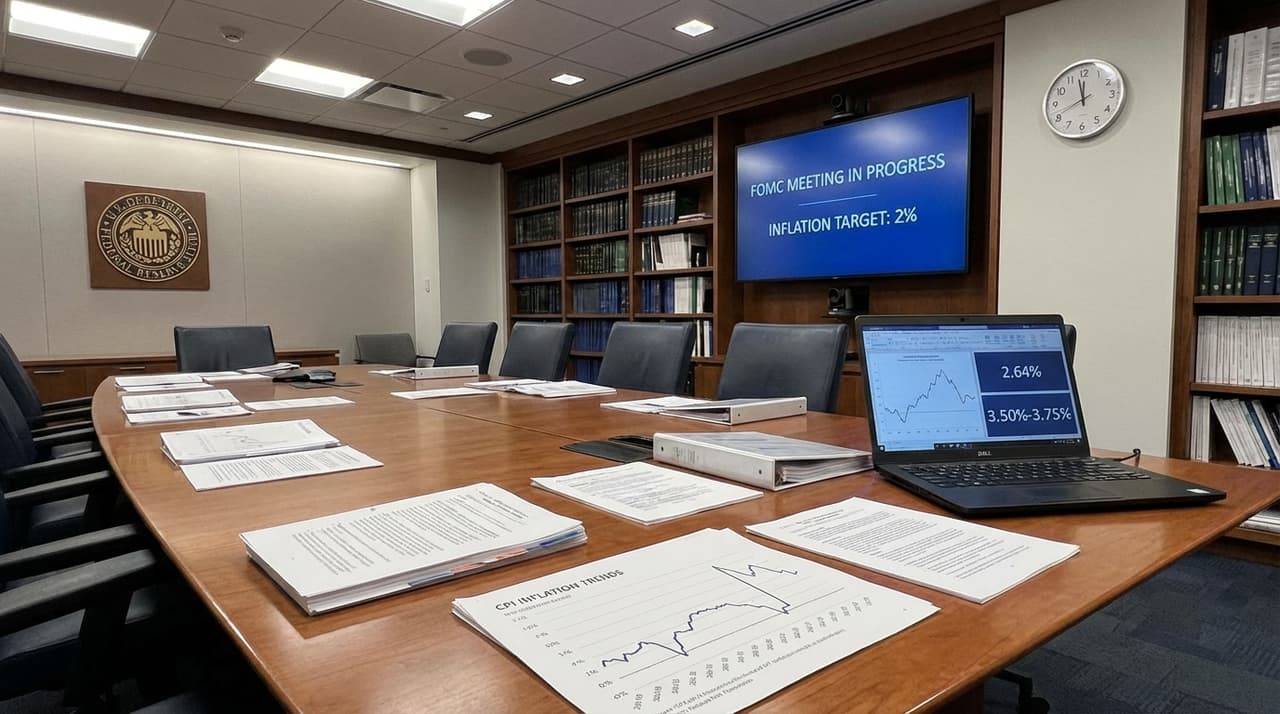
- Market indicators like 5-year breakeven inflation at 2.64% signal investor skepticism about anchoring, amid rate cuts to 3.50%-3.75%.
Treasury Secretary Scott Bessent has called for the Federal Reserve to re-examine its longstanding 2% inflation target, proposing a shift to a flexible range such as 1.5%-2.5% or 1%-3% once expectations are re-anchored. The suggestion comes as inflation approaches the Fed's goal by late 2025, sparking discussions ahead of the central bank's scheduled 2025 strategy review. According to people familiar with the matter, Bessent emphasized the need for flexibility to address public concerns over high living costs, noting that Americans remain under significant pressure from elevated prices in recent years.
Efforts to refine monetary policy have gained traction as the Fed funds rate has been cut to 3.50%-3.75%, reflecting cooling labor markets and guarded optimism. However, risks like potential tariffs could push inflation back toward 3%, complicating the path forward. In a recent briefing, Bessent acknowledged these challenges, stating that a higher range—such as 2%-3%—could ease zero lower bound constraints, given 10-year Treasury yields near 4% and past near-zero rates. This would allow more policy space without recession risks, aligning with practices in other central banks like Australia's, which uses a 2%-3% range successfully.
Market trends underscore the urgency of this debate. The 5-year breakeven inflation rate, a key gauge of investor expectations, stands at 2.64%, signaling doubts about how well inflation is anchored. Analysts point out that without a deal on a revised target, the Fed might struggle to maintain credibility amid volatile conditions. "What institutional investors are really focused on is regulatory stability," one source said, paraphrasing industry sentiment. "A flexible range could provide that, but it demands commitment to avoid unanchoring expectations."
Historical context adds depth to the proposal. The 2% target originated in 1996 FOMC discussions under Alan Greenspan and Janet Yellen, later formalized in 2012 amid zero lower bound fears. Yellen, who served as Treasury Secretary before Bessent, once favored a 1.5% target or a 1%-2% range, highlighting ongoing internal debates. The 2020 framework allowed temporary overshoots, but after the post-2022 surge to near double-digits, the Fed refocused on 2% without adopting a new range yet. Bessent's push echoes these past discussions, aiming to balance the dual mandate of inflation control and employment.
In the short term, the Fed prioritizes stabilizing inflation below 3% for at least six months before considering any shift. The 2025 review may adopt a 2%-3% range, with re-evaluation by 2030, according to analysts. Long-term, a higher target could aid during low-rate eras but risks credibility if not managed carefully. Experts predict gradual rate cuts if data supports, though tariff volatility from proposals like those floated by former President Trump could delay progress. Yellen's recent remarks on achieving a "soft landing" via supply growth have sparked talks on policy credibility, but Bessent's range idea offers a fresh take amid these uncertainties.
Attempts to reach the Treasury for additional comments were unsuccessful, but sources indicate the proposal is gaining attention in financial circles. As the Fed navigates this critical juncture, the focus remains on data-driven adjustments to avoid political interference, with implications for households grappling with cost-of-living pressures. The outcome could reshape monetary policy for years to come, blending lessons from peer banks with domestic economic realities.