- The White House will unveil new most-favored-nation agreements with pharmaceutical manufacturers, building on recent deals with Eli Lilly (LLY) and Novo Nordisk (NVO).
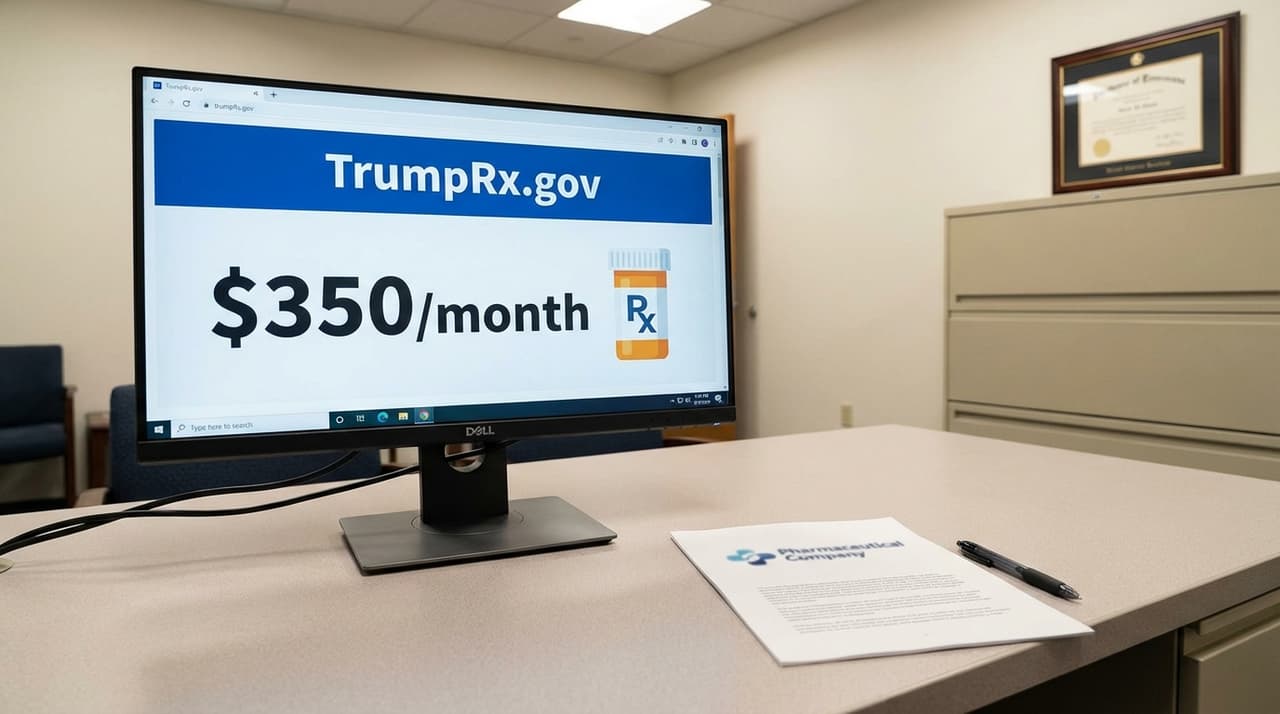
- TrumpRx.gov direct-purchase platform is expanding, offering cash prices as low as $350 monthly for GLP-1 drugs like Ozempic and Wegovy.
- CMS projects $12 billion in annual Medicare Part D savings from negotiated prices, with broader implications for U.S. health spending and global pharmaceutical markets.
A New Wave of Drug Pricing Agreements
President Trump is preparing to announce additional most-favored-nation drug pricing deals this Friday, according to administration officials familiar with the matter. This latest move continues the administration's aggressive push to lower prescription drug costs through a combination of executive action, trade policy, and direct government purchasing channels.
The upcoming announcements follow November 2025 agreements with Eli Lilly and Novo Nordisk that dramatically reduced U.S. prices for GLP-1 medications and insulin products. Under those deals, prices for Ozempic and Wegovy dropped from approximately $1,000-$1,350 per month to just $350 monthly through the TrumpRx.gov platform, with similar reductions implemented across Medicare and Medicaid programs.
"We're seeing unprecedented cooperation from manufacturers who recognize the need for fair pricing," said one senior health official who requested anonymity because the deals haven't been formally announced. "The MFN framework creates a level playing field where American patients no longer subsidize lower prices in other developed countries."
Market Impact and Industry Response
Pharmaceutical stocks showed mixed reactions in early trading Thursday, with some analysts expressing concern about the cumulative effect of multiple pricing initiatives. The administration's approach combines MFN targets based on lowest international prices with CMS's existing maximum fair price negotiations under the Inflation Reduction Act framework.
Industry sources indicate that at least two additional major manufacturers are nearing agreements, though specific companies weren't identified. The negotiations have focused particularly on high-cost specialty drugs, including certain oncology treatments and autoimmune medications that haven't yet been subject to MFN pricing.
CMS separately announced this week that negotiated prices for 15 additional Part D drugs will deliver average discounts of around 44%, with implementation beginning in 2027. The agency estimates these measures will save Medicare Part D approximately $12 billion annually while reducing beneficiary out-of-pocket costs by about $685 million in the first full year.
International Dimensions and Trade Policy
The domestic pricing initiatives are closely tied to broader trade negotiations, most notably the U.S.-U.K. Economic Prosperity Deal that includes pharmaceutical pricing provisions. Under that agreement, the United Kingdom committed to increase net prices for new innovative medicines by 25% and limit portfolio-wide rebates that traditionally depress prices.
U.S. Trade Representative officials describe this as part of a strategy to address what they call "global freeloading," where other wealthy nations pay significantly less than American patients for identical medications. The administration is currently reviewing pharmaceutical pricing practices of additional trading partners, suggesting more international agreements could follow.
"What we're seeing is a fundamental rebalancing of global drug markets," noted a trade policy advisor who spoke on background. "The traditional model where U.S. prices subsidized innovation for the rest of the world is being systematically dismantled."
Implementation Challenges and Political Scrutiny
Despite the administration's optimistic projections, implementation questions remain. Congressional Democrats, including Senator Ron Wyden, have pressed manufacturers for detailed explanations of how the Trump drug deals will specifically lower Medicaid costs. Their oversight letters indicate ongoing partisan scrutiny of whether announced savings translate into genuine, broad-based reductions across different patient populations.
Meanwhile, the TrumpRx.gov platform continues to expand its offerings, though some healthcare analysts question whether direct-to-consumer government purchasing can scale effectively across the entire pharmaceutical market. The site currently features approximately two dozen medications available at discount cash prices, with plans to add more products as additional manufacturers sign MFN agreements.
Industry representatives contacted for comment emphasized their commitment to patient access while noting concerns about the cumulative impact of multiple pricing interventions. "We support policies that ensure patients can afford needed medications," said a spokesperson for a major pharmaceutical company who declined to be named. "But sustainable innovation requires reasonable returns on the massive investments required to develop new treatments."
Looking Ahead
Friday's announcement is expected to include both new manufacturer agreements and expansions to existing programs. Administration officials hint that additional drug categories beyond the current focus on GLP-1s and insulin may be included, potentially broadening the impact across therapeutic areas.
The White House has framed these initiatives as historic action to stop Americans from overpaying relative to other wealthy nations. Critics, however, continue to question whether the approach concentrates savings on headline drugs while leaving broader market dynamics unchanged.
As the administration prepares its latest announcement, market watchers are monitoring how these policies might reshape not only U.S. pharmaceutical pricing but also global market structures that have remained largely stable for decades.
Correction: An earlier version of this article misstated the timing of CMS's maximum fair price implementation. The negotiated prices for 15 additional Part D drugs will begin taking effect in 2027, not 2026.