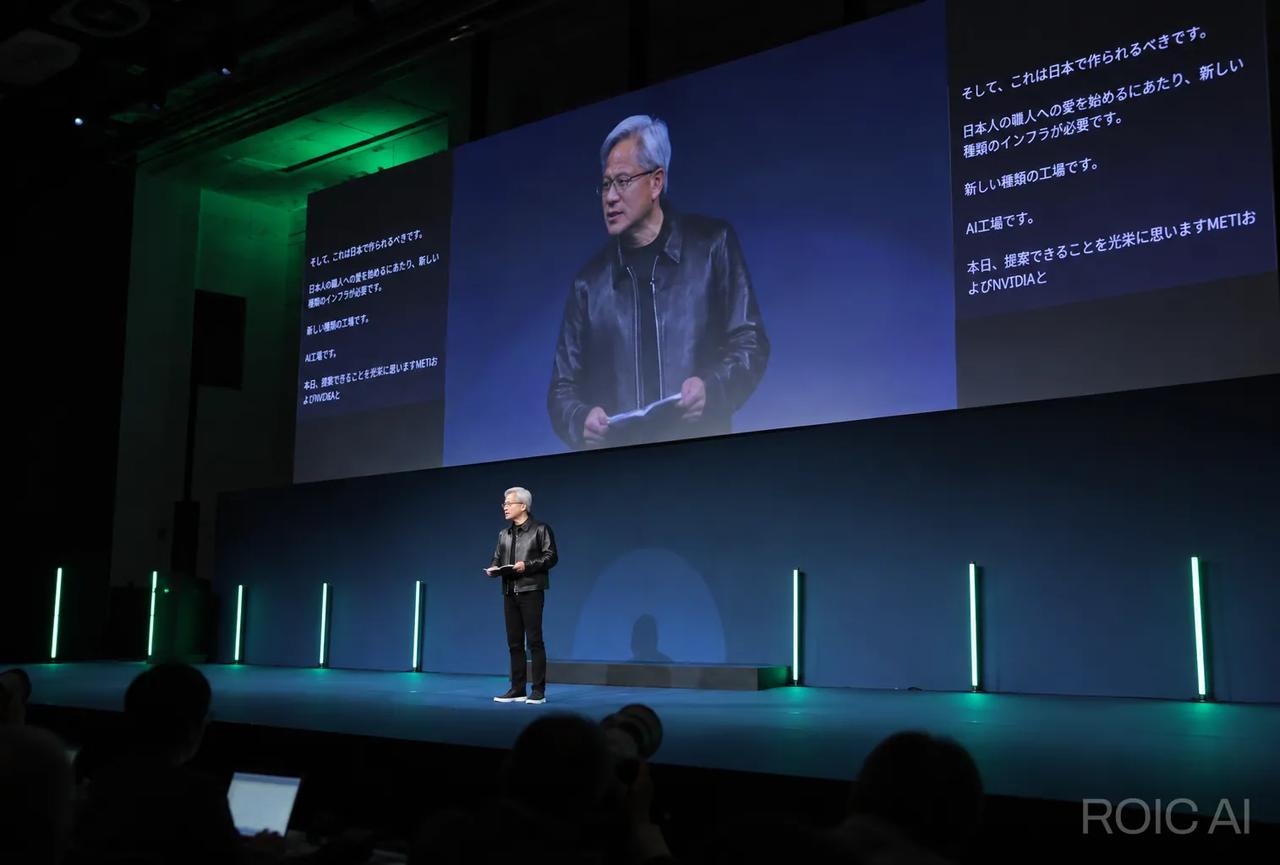
- President Trump suggested China might have recruited Jensen Huang to run Huawei or another tech firm, linking the ousted Nvidia (NASDAQ:NVDA) CEO to espionage fears.
- Huang resigned as Nvidia CEO earlier this month after admitting an affair with a former Megaspeed executive, who is suspected of being a Chinese operative.
- Nvidia’s China business remains frozen; the company has halted H200 shipments and Wall Street weighs the impact of tighter export rules.
President Donald Trump said China could have recruited Jensen Huang, Nvidia’s co-founder and former CEO, to lead Huawei Technologies or another Chinese technology company, according to a statement on Monday. The remark, which Trump made without providing evidence, adds a sensational twist to the unfolding scandal surrounding Huang’s abrupt departure from the AI chip giant earlier this month.
Huang resigned as CEO on Nov. 11–12 after admitting to an affair with Alice Huang, a former executive at Megaspeed, a Singapore-based firm that has drawn US scrutiny for allegedly aiding Chinese chip smuggling. According to a Financial Times report on Nov. 7, a US memo described the relationship, and officials believe China’s Ministry of State Security recruited Alice Huang. Trump said Huang told him he had no idea she was a spy, and that the FBI is investigating.
The White House did not respond to requests for comment on the context of Trump’s remark or whether it reflects intelligence assessments. A spokesperson for Huang declined to comment.
The implication, if taken at face value, casts Huang—who built Nvidia into the world’s most valuable semiconductor company over 33 years—as a potential asset for Beijing. It also underscores the heightened anxiety in Washington over China’s ability to penetrate America’s technology leadership. Huang is reportedly under investigation by US authorities for possibly aiding China’s spy agency and helping to smuggle AI chips, though no public evidence of an espionage plot has been released.
Nvidia’s China Business in Limbo
Nvidia has already moved to firewall its operations. The company has stopped shipping licensed H200 chips to China, and a board committee now oversees national security and export compliance. The measures come as Nvidia’s China revenue has evaporated: licensed Hopper sales to China were $2.4 billion last quarter, but future guidance includes none. H200 shipments accounted for less than 1% of data center revenue in the quarter ended July, and about 600,000 H200s were reportedly stuck in Hong Kong as Beijing largely refused delivery to favor domestic chips.
Treasury Secretary Bessent said on Nov. 20 that "the proper chip restrictions are in place" and that remote access has been curtailed. New rules issued Nov. 16 bar advanced chips from foreign data centers serving Chinese customers remotely, requiring US licenses for operators in Singapore, Malaysia, Thailand, Indonesia, and Brazil. Trump himself allowed H200 sales to approved Chinese customers in December, with a 25% US cut, and Commerce has approved 879,868 Nvidia and AMD (NASDAQ:AMD) chips to Chinese-tied firms across 21 licenses as of May.
Huang’s exit leaves Nvidia in the hands of CFO Colette Kress, who is serving as interim CEO. The company reported fiscal Q3 2027 revenue of $115.8 billion, up 103% year over year, with data center revenue of $107.6 billion and a gross margin of about 75%. Non-GAAP EPS came in at $2.68, and Nvidia returned $28.1 billion to shareholders in the quarter. A separate probe reportedly covers Nvidia’s accounting.
Washington’s Hawkish Turn
The controversy has galvanized lawmakers on both sides of the aisle. House Democrats are probing whether Nvidia lobbied to halt a Commerce Department investigation into smuggling at Megaspeed, and members of both parties are pushing for stricter export-control legislation.
Huang had long argued that selling to China keeps Chinese firms dependent on US technology and helps compete with Huawei. That view frequently put him at odds with China hawks in Washington, who argued that such sales only subsidize Beijing’s military-civil fusion. Chinese buyers like Alibaba (NYSE:BABA), Tencent (HKEX:700), and ByteDance have been eager for Nvidia hardware but have been held back by Beijing’s import limits.
Trump’s remark about Huawei appears to play on that rivalry, suggesting that Huang’s expertise could have been weaponized by China. It remains unclear what prompted the comment or whether it signals a shift in the US stance toward Huang, who has not been charged with any crime.
For now, Nvidia investors are left to parse the fallout. The company’s demand outside China remains robust, but the leadership vacuum and the specter of tighter export rules—particularly on offshore compute—could push Beijing further toward Huawei and other domestic chipmakers.