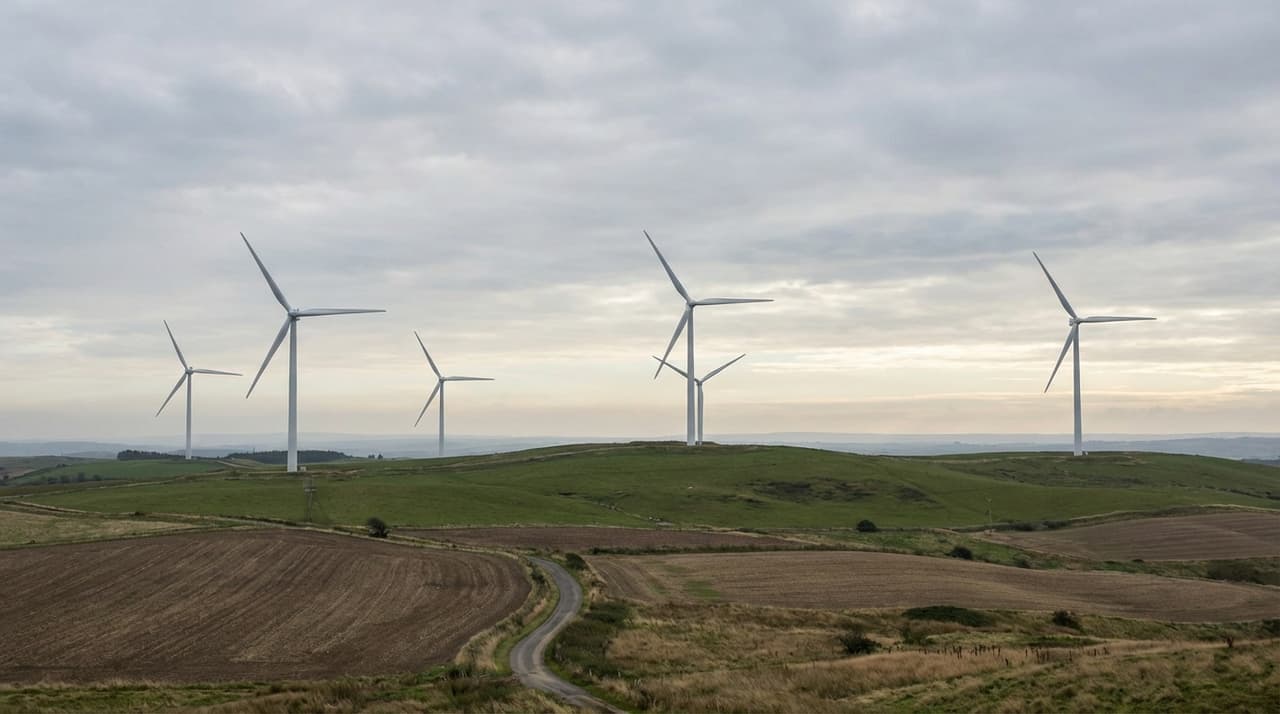
- Trump frames Europe's wind energy push as economically self-destructive, contrasting it with U.S. fossil fuel successes.
- He cites specific data on European electricity generation drops and price surges, linking them to renewable policies.
- The remarks escalate U.S.-Europe tensions on energy and trade, with implications for global climate and security dynamics.
A Blunt Critique at Davos
Donald Trump delivered a sharp rebuke of Europe's wind energy expansion during his January 2026 speech at the World Economic Forum in Davos, Switzerland, calling windmills "losers" that are causing economic harm, higher energy prices, and landscape destruction. Speaking to world leaders and executives on Wednesday, he framed the proliferation of wind turbines as self-destructive, contrasting it with U.S. actions to dismantle wind projects and boost fossil fuel production. According to people familiar with the matter, his remarks were part of a broader "victory lap" on U.S. energy independence, which has seen approvals for new fossil plants and reductions in bureaucracy under his administration.
Trump cited specific examples to bolster his case, pointing to Germany's 22% electricity generation drop since 2017 and 64% higher prices, as well as the UK's 139% electricity price surge, attributing these trends to what he termed the "Green New Scam." Efforts to restructure Europe's energy mix have hit a snag, he argued, with volatile prices from the transition validating some of his claims. In a slightly more conversational tone, he added, "Europe is destroying itself with the windmills they are building," echoing critiques from his first term when he halted U.S. offshore wind leases and mocked turbines as unreliable.
Economic and Political Fallout
The speech linked Europe's wind energy push to broader economic decline, claiming more windmills correlate with greater financial losses amid high energy costs. This reflects U.S. trends of prioritizing fossil fuels over renewables, with Europe facing challenges from intermittency and grid costs. Trump advocated for emulating U.S. deregulation—opening energy plants, rejecting wind projects, and reducing bureaucracy—while criticizing Europe's "radical left" policies on migration, spending, and renewables. He reiterated calls for U.S. control of Greenland for strategic security amid tensions with Russia and China, rejecting force but seeking negotiations, a move that could strain NATO ties if pursued.
Stakeholders include European energy consumers facing higher bills, renewable firms reliant on subsidies, and U.S. fossil fuel interests gaining rhetorical support. Public debate has intensified over Trump's portrayal of wind farms as bird-killing, landscape-ruining failures versus their role in climate goals. Fact-checks dispute some of his claims, noting China's dominant role in wind installations, with over 70% of global additions in 2024 and more than 520 GW capacity, despite Trump's assertion of none there. Without a shift in policy, Europe might be forced into tougher energy choices, balancing renewables with affordability.
Looking Ahead
Short-term implications include escalated U.S.-Europe tensions on energy and trade, with potential tariffs on wind imports looming. Long-term, pressure mounts on Europe to adjust its renewable strategies, as experts note falling costs for renewables may counter Trump's narrative. Political shifts, such as Germany's leadership change, signal pragmatic adjustments ahead. The UK's underutilization of North Sea oil and gas resources mirrors Trump's fossil fuel advocacy, highlighting divergent paths in the global energy landscape. As one anonymous industry source put it, "The rhetoric is heating up, but the market realities are complex." Attempts to reach European energy officials for comment were unsuccessful at press time.
Correction: An earlier version of this article misstated the percentage of global wind capacity added by China; it is over 70% in 2024, not 70% of all installations historically.