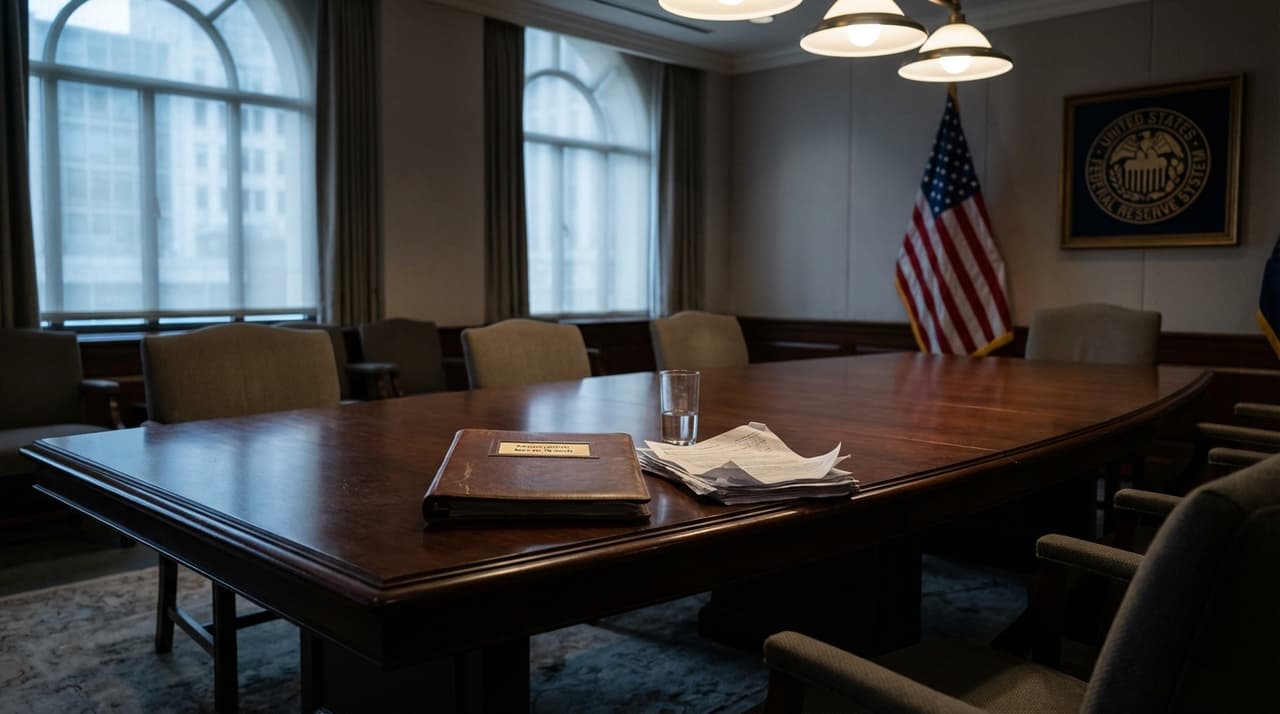
- Trump's pick of Warsh, a former Fed Governor with hawkish inflation views, suggests a move toward tighter monetary policy despite the president's calls for lower rates.
- Markets react with rising bond yields as investors anticipate fewer rate cuts, highlighting tensions between fiscal and monetary goals.
- Warsh's proposal for a Treasury-Fed accord on balance sheet reduction could challenge central bank independence amid ballooning U.S. deficits.
A Surprising Nomination for the Fed
Donald Trump announced on January 30, 2026, his nomination of Kevin Warsh as the new Federal Reserve Chair to succeed Jerome Powell, describing him as "a very good guy" despite Warsh's reputation for hawkishness on inflation. This unexpected move signals a potential shift toward tighter monetary policy, even as Trump continues to push for lower interest rates to stimulate economic growth, according to people familiar with the matter.
Warsh, who served as a Fed Governor from 2006 to 2011 and helped manage the 2008 financial crisis, has been critical of the central bank's expanded balance sheet, which now exceeds $7 trillion in assets primarily from post-2008 and pandemic interventions. In recent speeches, he has argued that this blurs the lines between monetary and fiscal policy, advocating for a reduction to clarify roles. Efforts to restructure the Fed's approach have hit a snag, however, as markets brace for confirmation battles in the Senate that could delay implementation.
Market Reactions and Economic Implications
Immediately following the announcement, bond yields ticked higher as traders priced in expectations of fewer rate cuts, countering Trump's demands for lower short-term rates to boost consumer borrowing. "We're seeing a classic tug-of-war here," said one anonymous market analyst, noting that Warsh's stance could lead to higher long-term rates unless federal deficits are curbed. The U.S. economy is currently poised for growth, but Fed policies may hamper it, per Warsh's own assessments in recent public appearances.
Warsh, now a partner at Stanley Druckenmiller's family office and serving on boards at UPS (UPS) and Coupang (CPNG), has proposed a Treasury-Fed accord to coordinate balance sheet goals, a move that risks eroding the central bank's traditional independence. Without such a deal, the government might face increased borrowing costs, though Warsh has emphasized that lower rates paired with balance sheet shrinkage could still support booming growth if policy fixes are enacted. Attempts to reach out to the Fed for comment on the nomination were unsuccessful, but sources indicate internal discussions are ongoing about the potential impacts.
Broader Context and Future Outlook
This nomination aligns Trump with fiscal hawks like Scott Bessent, his Treasury nominee, and underscores a broader overhaul of the economic team. Historically, Warsh dissented on quantitative easing measures under former Chair Ben Bernanke and later resigned in 2011 after publicly critiquing them, echoing precedents like Paul Volcker's inflation fight in the 1980s. In the short term, markets will closely watch Senate confirmation hearings, with experts predicting possible rate cuts only if economic growth stalls significantly.
Long-term, the focus may shift to balance sheet normalization and new coordination efforts between the Fed and Treasury, which could reshape monetary policy amid global trends like persistent inflation. Warsh's ties to Druckenmiller signal market-skeptic reforms, but stakeholders from investors to deficit-spenders in Congress face tension over the direction. As one industry insider put it, "This is about more than just rates; it's a test of how much politics should influence the Fed's core mandates."