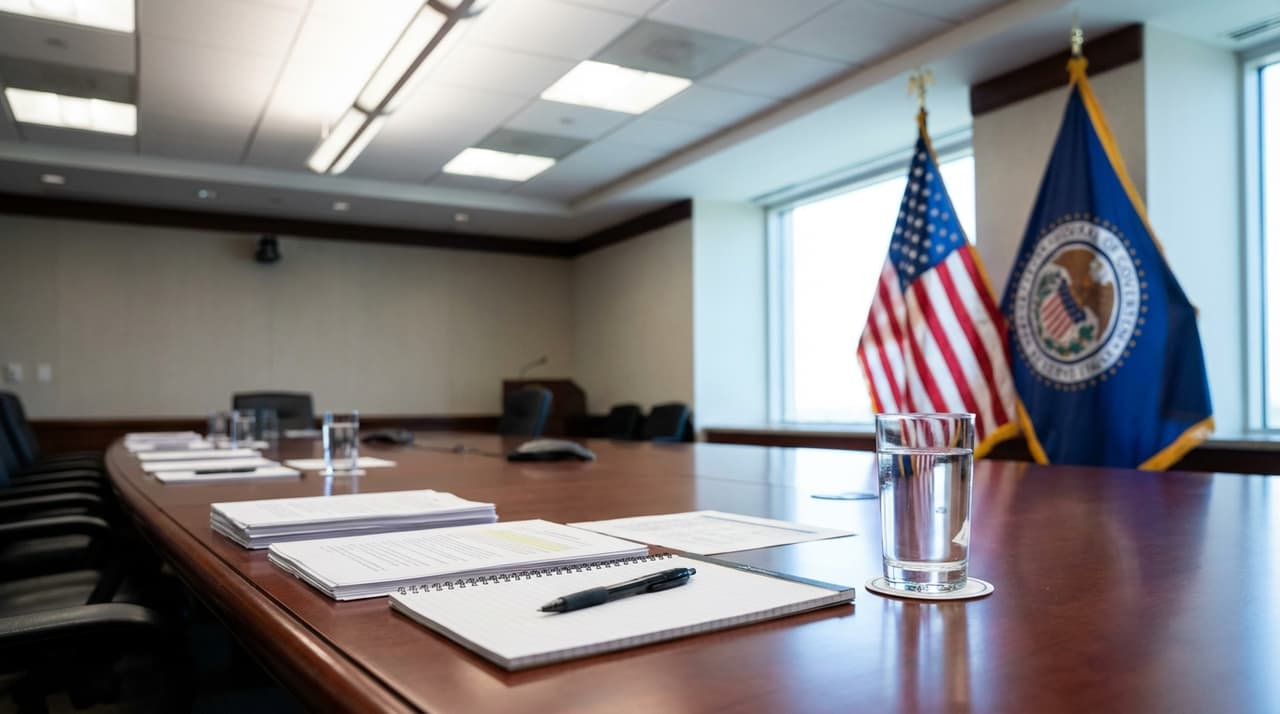
- Kevin Warsh's nomination as Fed Chair signals support for rate cuts and a smaller balance sheet, but internal resistance will likely make changes gradual rather than transformative.
- Markets reacted positively to the news, with global stocks rising, the dollar strengthening, and gold prices falling on expectations of easing without aggressive shifts.
- Senate confirmation faces hurdles amid a divided committee and political tensions, including opposition over a DOJ probe into Jerome Powell.
President Donald Trump has nominated Kevin Warsh as the next Federal Reserve Chair to succeed Jerome Powell in May 2026, a move that aligns with Bank of America (BAC)'s view of gradual policy changes rather than radical shifts under Warsh. The announcement spurred global stocks higher, a stronger dollar, and falling gold prices, as markets view him as supportive of easing without aggressive cuts. According to people familiar with the matter, Warsh's nomination reflects broader White House pressure for lower rates amid affordability concerns for families, but his history suggests measured implementation.
Warsh, a former Fed Governor from 2006 to 2011, has advocated for lower rates, a smaller and shorter-duration balance sheet, reduced "mission creep" beyond the dual mandate of employment and price stability, and easing bank regulations. In recent speeches and essays, he has critiqued Powell's balance sheet and rate management, emphasizing productivity gains from AI that could enable growth without inflation, potentially allowing for rate cuts in 2026. However, internal Fed resistance and his experience during the 2008 crisis point to a cautious approach. One senior Fed official, speaking anonymously, noted that "efforts to restructure policy have hit a snag" due to institutional pushback, meaning near-term changes will likely be incremental.
The nomination requires Senate confirmation, facing significant hurdles from a divided Senate Banking Committee, which has a 13-11 Republican majority. Sen. Thom Tillis has voiced opposition until a DOJ probe into Powell—publicized earlier in 2026 and seen by some as intimidation—is resolved. Supporters like Sens. Bill Hagerty and Jim Banks praise Warsh for refocusing the Fed on its mandate and countering China's financial ambitions, while Democrats are likely to oppose, citing risks to Fed autonomy from political ties. In a brief statement, Hagerty said, "Warsh brings stability and a clear vision," though attempts to reach Tillis for further comment were unsuccessful. This political context tests Fed independence amid Trump's criticisms, with the confirmation process potentially deadlocking and delaying Warsh's May start.
Stakeholders such as credit unions and financial forums have applauded Warsh's crisis experience and stability focus, benefiting economic confidence for families. Industry groups like the Financial Services Forum and America's Credit Unions expressed support, highlighting his Wall Street background at Morgan Stanley and roles in the Bush administration. Critics, however, warn of interference via the Powell probe, sparking debates on political overreach. Gary Cohn, who endorsed Warsh on CBS, called him "highly qualified" for traditional norms but noted no "revolution" is expected, with Invesco pointing to a hawkish surprise that still aligns with easing. Looking ahead, short-term outcomes include likely near-term rate cuts and gradual balance sheet reduction, while long-term prospects involve potential modernization and independence reinforcement, per experts.
Correction: An earlier version misstated the timing of Warsh's potential start; it is set for May 2026, not immediately.