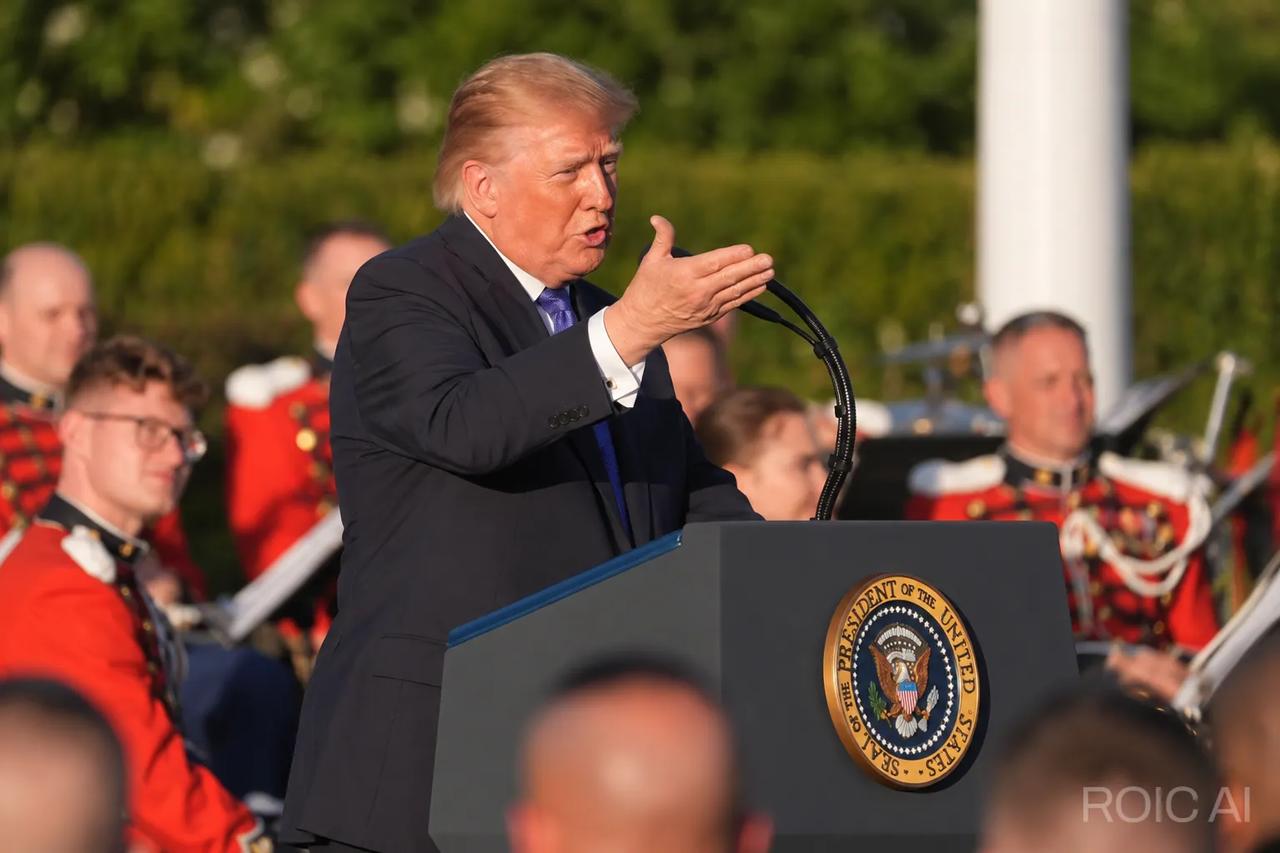
- President Trump announced the sale of 250 Boeing (NYSE:BA) aircraft to China and anticipates orders for another 250.
- The figure exceeds previous commitments of 200 jets, but details remain unconfirmed.
- Boeing's financials show improvement but production and cash flow challenges persist.
Trump Announces Boeing Deal with China
President Donald Trump said on Monday that he has sold 250 Boeing aircraft to China and expects orders for another 250 planes. The announcement, made during a press briefing, did not provide further details on the timing or structure of the deal. The figure surpasses earlier reports of a 200-jet commitment that emerged from trade talks between Trump and Chinese President Xi Jinping in Beijing in May 2026. That deal, confirmed by China's Commerce Ministry, included options for up to 750 aircraft and was hailed by Boeing CEO Kelly Ortberg as an "initial tranche" to be firmed up later this year.
Unverified Numbers
The latest statement from Trump could not be immediately verified, and it is unclear whether the 250 jets represent a new order or an expansion of the previously announced commitment. The earlier 200-jet deal was part of a broader US-China trade arrangement that included reciprocal tariff cuts on at least $30 billion of goods and supply guarantees for engine parts and components. Boeing has not commented on the new figure. A source familiar with the matter said the initial 200 jets would go mainly to Air China (SSE:601111), China Eastern (SSE:600115), and China Southern (SSE:600029), with additional orders contingent on Boeing's spare parts supply for jets already in service in China.
Boeing's Financial Picture
The potential order comes as Boeing works to stabilize its operations. In the third quarter of 2026, the company reported revenue of $24.2 billion, up 4% year-over-year, but a core loss per share of $0.34, wider than analysts expected. The net loss was $116 million, a significant improvement from the $5.34 billion loss a year earlier. Boeing's backlog stands at a record $745 billion, but its commercial unit posted a negative 6.5% operating margin. Free cash flow guidance is set at approximately $2 billion for 2026, rising to $10 billion by 2029, though the 2027 and 2028 figures fell short of analyst expectations.
Production and Market Challenges
Boeing continues to face production hurdles. The 737 program is stabilizing at 47 aircraft per month, with a target of 52 per month by the second half of 2027, but 2026 deliveries will fall short of the 500-aircraft goal. Shares of Boeing are down about 25% this year. The company's recovery hinges on maintaining 737 output and achieving certification for the 777X, with first delivery expected in 2027. The China deal would reopen the narrowbody market after nearly a decade, and Boeing projects China will need more than 9,200 new airplanes over the next 20 years.
Broader Implications
The Boeing sale is part of a larger US-China trade truce that includes a tariff ceasefire from Kuala Lumpur, which China wants extended. The deal also benefits GE Aerospace (NYSE:GE), as Trump noted the jets would use GE engines. Large purchase pledges have repeatedly been tied to summits and trade talks, and Ortberg has said further orders are "100% dependent" on US-China relations. With the trade relationship still fragile, the latest announcement adds to the momentum but leaves many questions unanswered.