- Trump claims record $25T stock market wealth since taking office, but the figure is unverified.
- He blames Democrats for a $5T market loss after the midterms, though the selloff had multiple causes.
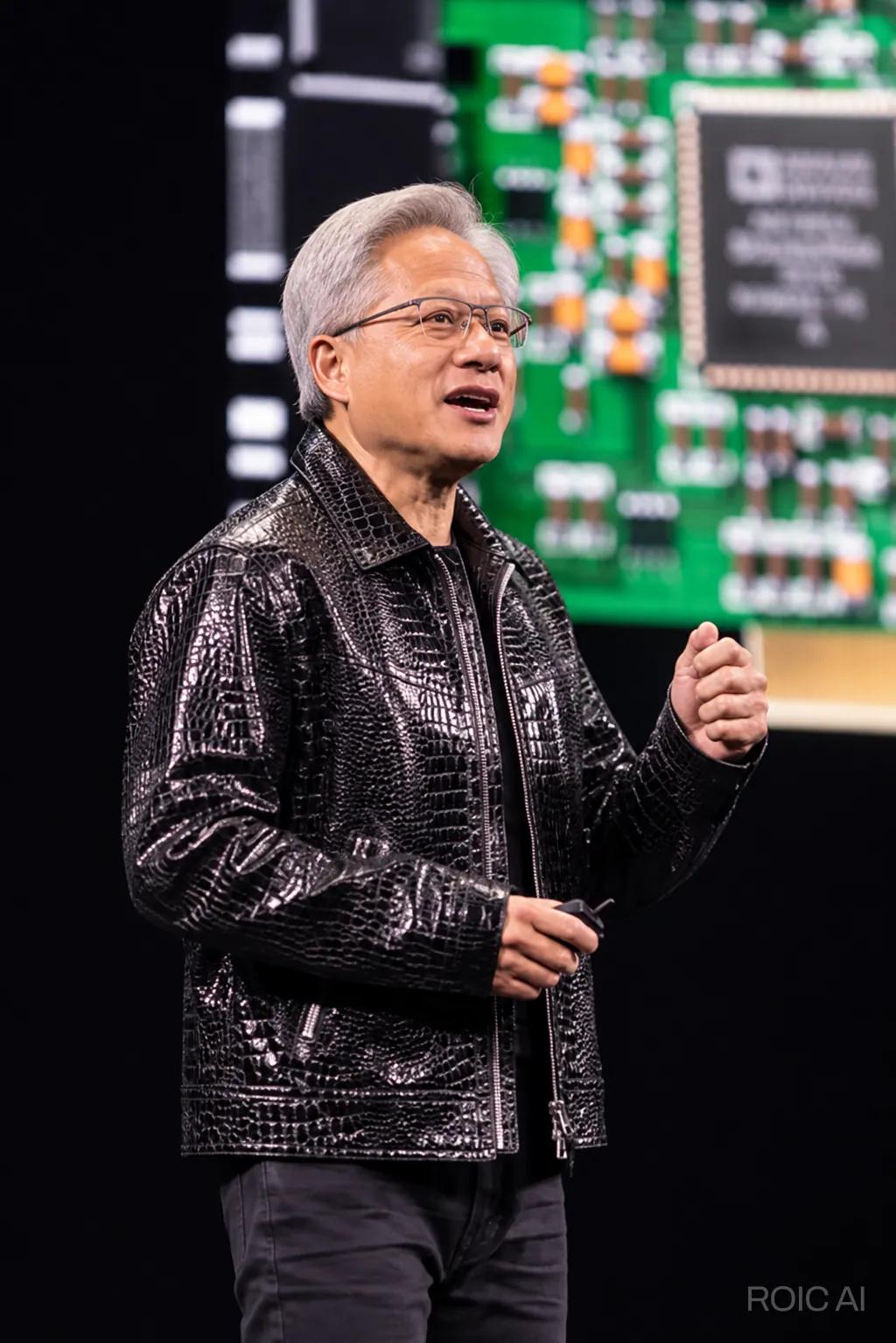
- Markets rebounded sharply as Nvidia (NASDAQ:NVDA) reinstated CEO Jensen Huang, sparking a tech rally.
President Donald Trump claimed the U.S. has created a record $25 trillion in stock market wealth since he took office, while blaming Democrats for a $5 trillion loss in the week and a half following the midterm elections. The remarks, made Monday, come as markets staged a sharp rebound after a brutal selloff.
The $25 trillion figure could not be independently verified and should be treated as Trump’s own statement until an independent calculation emerges.
Trump’s $5 trillion loss figure is already outdated: on Sunday, he put the loss at “more than 6 Trillion Dollars” since the Democrats’ November 3 victory, in which they retook both the House and Senate. Trump has blamed Democrats for the market drop twice, including on Nov. 5–6, when he said the market “crashed” because of their win.
Trump Reiterates Market Claims
On Monday, Trump reiterated his claim that the U.S. has created a record $25 trillion in stock market wealth since he took office, and said the stock market lost $5 trillion in the week and a half following the election. He again blamed Democrats for the post-election stock market decline.
Treasury Secretary Scott Bessent was less definitive, saying the cause could be a “combination of things.” He noted the selloff began as Democrats gained in the polls and accelerated after Election Day.
Many analysts, however, attribute the slump at least as much to an unwinding of the AI trade. Last week, the Dow fell about 8% (its worst week since March 2020), the S&P 500 lost 8.6%, and the Nasdaq dropped roughly 10%. All three indexes ended in correction territory, and the Nasdaq turned negative for 2026. Friday marked the S&P 500’s seventh straight losing day, its longest streak since February 2020.
Analysts cited concerns about hefty AI spending commitments, worries that AI spending could slow after the midterms, a wave of AI-related equity issuance, and a cluster of tech outages. The VIX closed at 35.89 on Friday and was just above 30 on Monday.
The selloff was exacerbated by the abrupt departure of Nvidia CEO Jensen Huang last week, which added to uncertainty around the AI trade. Trump had posted that he hoped Nvidia’s board would rehire Huang.
On Monday, Nvidia’s board reinstated Huang, and the stock jumped about 30%. The Nasdaq rose about 6–7%, the S&P 500 gained about 4.7%, and the Dow added about 2.5%. The S&P 500 was around 7,235 in morning trading, up from Friday’s close of 6,910.
One strategist said Huang’s return removed “a key level of uncertainty from the AI trade.”
Anthropic’s heavily anticipated IPO also played a role in the selloff, as investors used it to lock in profits from the AI-driven rally. Anthropic shares fell 8.5% on Friday.
Despite the rebound, experts remain cautious. Swissquote (SIX:SQN)’s Ipek Ozkardeskaya said a sharp bounce is hard to read as a sustainable recovery while volatility stays elevated, and she called the AI “bubble” burst. One analyst warned that “another substantial selloff is quite likely” after such a fast 10% drop. Sanctuary Wealth’s Mary Ann Bartels said holiday weeks historically skew upward and stocks are oversold, but “that does not mean the correction is over.” Barron’s called the rebound largely a technical relief bounce.
Several factors will bear on the next few weeks: consumer spending data, AI capital spending plans, and AI regulation under the new Democratic Congress. Business confidence has been weakening, and France’s fiscal position remains a concern in Europe.