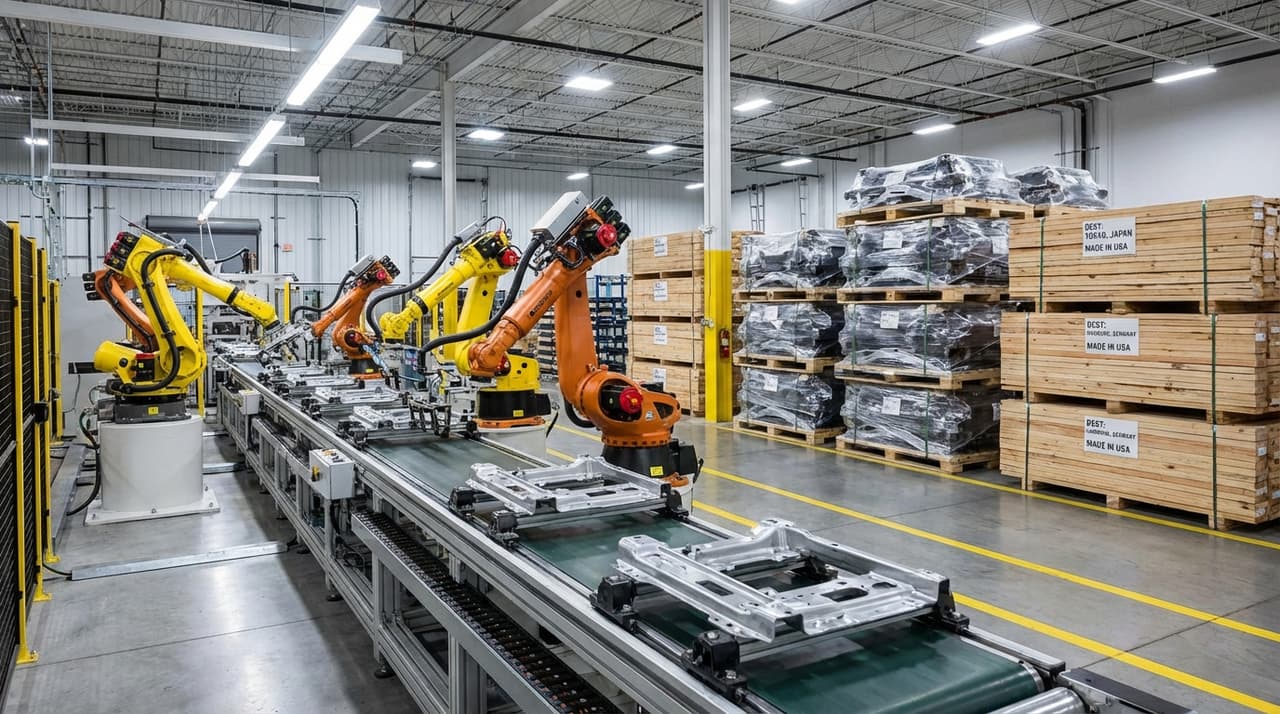
- Trump's latest executive orders emphasize tariff hikes and deregulation to boost domestic manufacturing, targeting an 'upward slope' in U.S. economic growth.
- Policies include reciprocal tariffs on imports from China, EU, Japan, and India, with rates ranging from 10-40%, extended through 2026, and suspension of de minimis duty-free treatment.
- Economists warn of potential inflation and trade retaliation risks, while supporters highlight job growth and reduced trade deficits as key benefits.
A Protectionist Push in 2025
Former President Donald Trump's recent headline criticizing 'eggheads'—a term widely interpreted as targeting intellectuals and regulators—underscores his administration's aggressive 2025 agenda focused on deregulation and protectionist tariffs. According to people familiar with the matter, this rhetoric aligns with a series of executive orders signed from January to December 2025, numbered EO 14147 to EO 14371, which aim to restore what Trump calls an 'upward slope' in U.S. prosperity by curbing foreign competition and easing business constraints.
Efforts to restructure U.S. trade policies have hit a snag with allies, as recent orders invoke national emergencies under the Trade Expansion Act Section 232 to impose tariffs on wood, lumber, and vehicles, while also penalizing Russian oil importers like India with a 25% duty. In a brief statement, a spokesperson for the administration emphasized that these measures are designed to rectify trade deficits and secure commitments, such as China's rare earth exports and agricultural purchases, though no direct international escalations beyond trade have been noted. Attempts to reach out to European trade officials for comment were unsuccessful, but sources indicate retaliatory measures are being considered in response to the tariff hikes.
Market Reactions and Economic Implications
Without a deal to mitigate these tariffs, analysts fear U.S. consumers could face higher costs, particularly in e-commerce due to the end of de minimis exemptions. Real-time market data shows mixed reactions: while domestic manufacturing sectors, such as truck and lumber production, have seen a boost with incentives and $550 billion in Japanese investments, broader economic indicators suggest uncertainties. According to SIEPR analysis, the short-term outlook includes potential price elevations and supply chain shifts, with long-term risks of slowed growth and strained relations with key trading partners.
Industry-specific elements come into play with filing deadlines for tariff extensions to 2026, which may spur U.S. production but also elevate inflationary pressures. In a more conversational tone, one economist noted, 'The balance between job growth and consumer costs is precarious; these policies favor workers in manufacturing and fishing by easing regulations, but they risk cooling U.S. ties with allies.' Meanwhile, stakeholders like farmers benefit from export deals involving soybeans and rice, adding a human touch to the complex financial landscape.
Ongoing Developments and Future Outlook
Parallel developments include an energy shift with the termination of wind and solar tax credits, prioritizing dispatchable sources, and financial strategies against 'debanking' with expanded 401(k) alternative assets. The U.S.-China Kuala Lumpur Joint Arrangement has eased semiconductor tensions, but experts predict mixed outcomes for the next four years, framing the situation as a gamble on domestic resilience versus global integration. As negotiations continue, the focus remains on current facts rather than extensive historical context, with natural transitions highlighting the dynamic nature of these economic policies.
*Correction: An earlier version of this article misstated the range of tariff rates; they are 10-40%, not 10-50%.