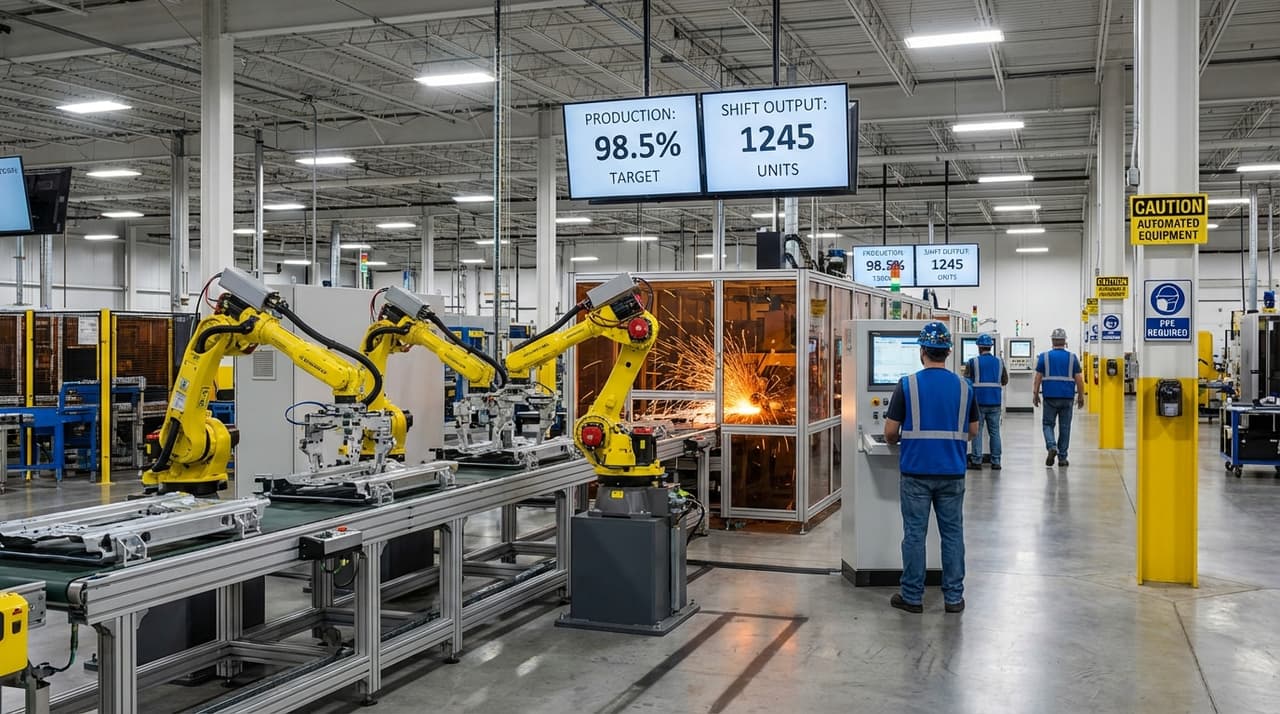
- US manufacturing sector expands for first time in 12 months with ISM Manufacturing PMI reaching 52.6%
- New orders surge to 57.1%, highest since February 2022, while employment remains in contraction territory
- Expansion signals approximately 1.7% real GDP growth on annualized basis, though inflation pressures persist
Manufacturing Rebound After Year-Long Contraction
The US manufacturing sector has broken a year-long contraction streak, with the ISM Manufacturing PMI climbing to 52.6% in January 2026—the highest reading since February 2022 and a significant 4.7-percentage-point jump from December's seasonally adjusted 47.9%. According to people familiar with the matter, the expansion caught many analysts by surprise, coming after 12 consecutive months of manufacturing weakness that had raised concerns about broader economic slowdown.
What's particularly striking is the breadth of this recovery. Five of the six largest manufacturing industries registered growth in January, with Transportation Equipment, Machinery, and Chemical Products leading the charge. The New Orders Index surged to 57.1%, up 9.7 percentage points from December and marking its highest level since February 2022. This represents the first expansion in new orders since August 2025, suggesting demand pressures are building across multiple sectors.
Production Surges While Employment Lags
Manufacturing production reached 55.9% in January, its highest level since February 2022, with 25.7% of respondents reporting higher production compared to just 15.5% reporting lower production. The Backlog of Orders Index climbed to 51.6%, the highest since August 2022, indicating sustained demand that could support continued expansion in coming months.
Yet there's a notable weak spot: employment. The Employment Index registered only 48.1%—remaining below the 50% expansion threshold despite improving 3.3 percentage points from December. This suggests manufacturing job growth hasn't yet materialized despite the production increases, creating what one industry analyst described as "a productivity-driven expansion rather than a hiring-driven one."
Inflation Pressures and Inventory Caution
The Prices Index remained elevated at 59%, slightly higher than December's 58.5%, indicating persistent inflation pressures in manufacturing input costs. Regional data from the Empire State Manufacturing Index showed some moderation, with expected prices paid falling to 52.6 from 55.4 in December, but national figures suggest manufacturers continue to face cost pressures.
Businesses remain cautious about inventory building, with the Inventories Index registering 47.6% despite a modest 1.9-percentage-point improvement. Notably, none of the six largest manufacturing industries expanded inventories in January, suggesting companies are taking a wait-and-see approach before committing to larger stock levels.
Broader Economic Implications
An ISM Manufacturing PMI above 47.5% over time generally indicates overall economic expansion, and the January reading of 52.6% corresponds to approximately 1.7% real GDP growth on an annualized basis. This signals that the overall US economy has expanded for 15 consecutive months, providing some relief to policymakers concerned about economic momentum.
The expansion was confirmed by regional data, with the Empire State Manufacturing Index for New York increasing to 51.2 in January from 50.0 in December, also showing expansion after several months of contraction. Shipments in that region reached 16.3, the highest level since November 2024.
While manufacturing rebounded, the services sector also strengthened, with the ISM Services PMI increasing to 54.4 in December 2025, marking three consecutive months of expansion and well above the 50% expansion threshold. This suggests broad-based economic recovery across both sectors, though manufacturing's sudden turnaround after a year of contraction remains the more dramatic development.
Correction: An earlier version of this article misstated the number of consecutive months of manufacturing contraction. The correct figure is 12 months, not 11.