- The U.S. State Department has labeled China's recent large-scale military exercises near Taiwan as "unnecessary," following the largest-ever U.S. arms sale to Taiwan worth $11.1 billion.
- China's "Justice Mission 2025" drills, conducted on December 29-30, 2025, involved simulated strikes and blockades, escalating tensions in the Taiwan Strait.
- Taiwan's military remains on high alert, with officials warning of increased military pressure and complex challenges for regional stability.
Escalating Tensions in the Taiwan Strait
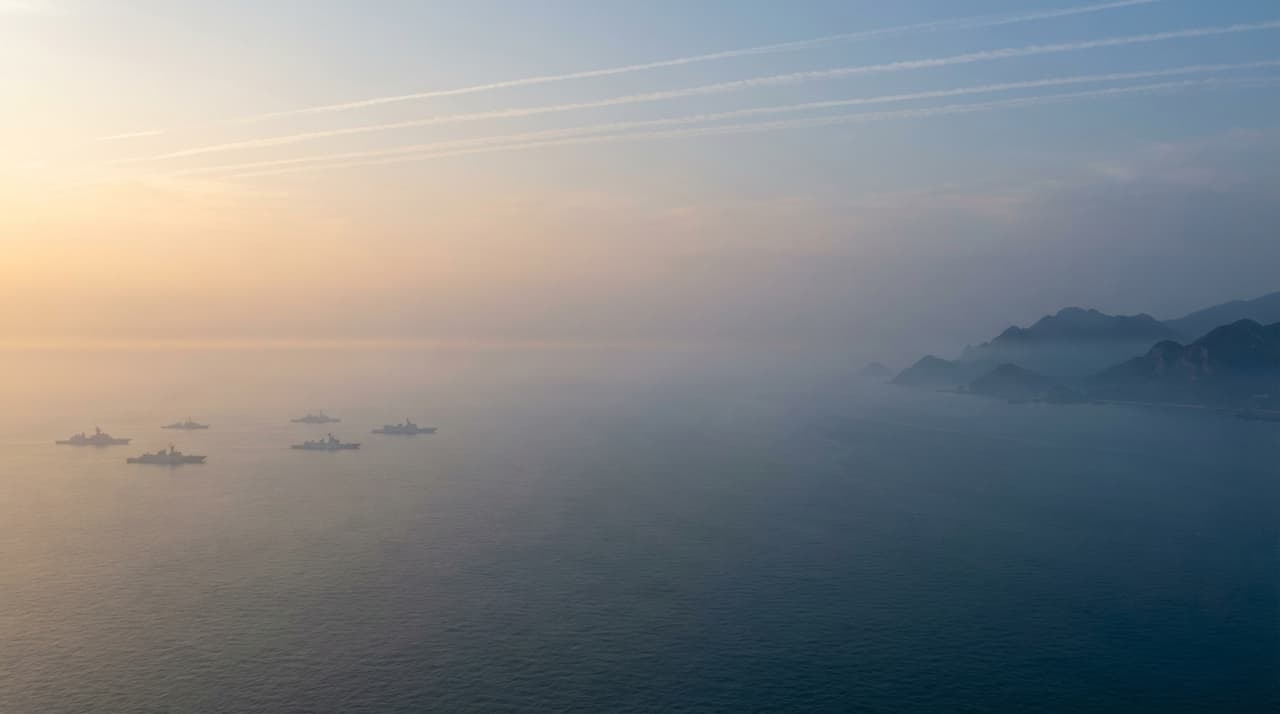
In a sharp rebuke, the U.S. State Department has criticized China's military activities near Taiwan as "unnecessary," according to sources familiar with the matter. This statement comes in response to China's "Justice Mission 2025" exercises, which unfolded over December 29-30, 2025, marking the largest such drills ever conducted around the island. The exercises included warships, fighter jets, drones, and live-fire drills across seven maritime zones, with simulations targeting land and sea objectives and rehearsals to blockade Taiwan's main ports.
Efforts to de-escalate the situation have hit a snag, as the drills were triggered by a record $11.1 billion U.S. arms sale to Taiwan—the largest ever—featuring 82 HIMARS rocket launchers, 420 ATACMS long-range missiles, 60 self-propelled howitzers, and advanced unmanned systems. China's Foreign Ministry condemned the sale, warning it could "accelerate the push of the Taiwan Strait toward a dangerous situation of military confrontation and war," a sentiment echoed by analysts who note the heightened risk of miscalculation in the region.
Without a diplomatic breakthrough, the standoff could further strain U.S.-China relations, already frayed by ongoing trade and security disputes. Taiwan's Deputy Chief of General Staff Hsieh Jih-sheng stated the exercises posed "military pressure" and "complex challenges" for the international community, as the island's forces remain on high alert. Attempts to reach Chinese officials for additional comment were unsuccessful, but industry observers point to the timing of the drills as a strategic response to perceived provocations.
Market reactions have been muted so far, with regional indices showing slight volatility, but investors are closely monitoring for any signs of escalation that could disrupt supply chains or trigger broader geopolitical instability. The situation underscores the delicate balance in the Taiwan Strait, where military posturing often intersects with economic interdependence. As one regional analyst put it, "This isn't just about hardware; it's about signaling resolve in a high-stakes environment."
Correction: An earlier version of this article misstated the number of maritime zones involved in the exercises; it has been updated to reflect the correct figure of seven zones.