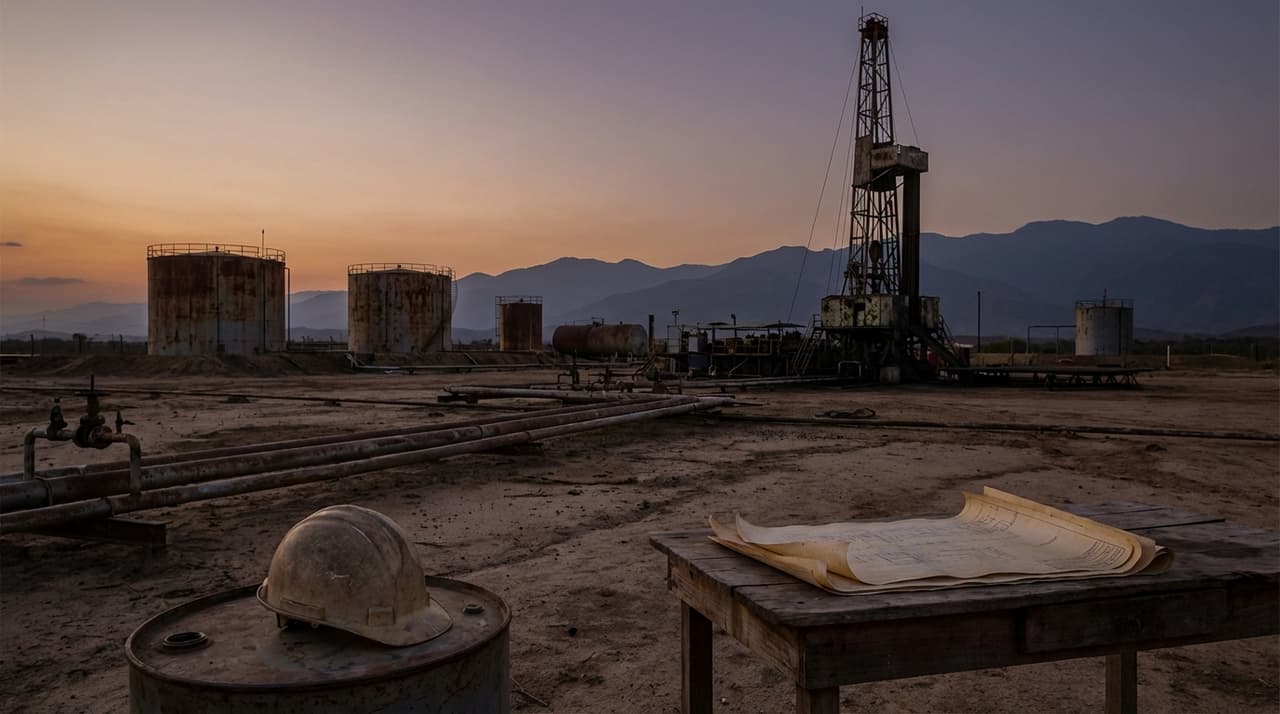
- The U.S. administration plans to issue a general license soon that will selectively roll back sanctions on Venezuelan oil production, following Nicolás Maduro's removal from power on January 3, 2026.
- Venezuela is expected to supply 30-50 million barrels of oil to the United States at market prices, with the U.S. authorizing imports of oil field equipment, parts, and services to modernize production.
- Critical conditions include Venezuela severing economic ties with China, Russia, Iran, and Cuba, and partnering exclusively with the U.S. on oil production, amid legislative efforts to loosen state control over the sector.
Efforts to restructure Venezuela's oil industry have taken a significant turn, with sources indicating that a general license from the Office of Foreign Assets Control (OFAC) is imminent. This move would mark the first formal step in easing sanctions since President Trump announced an energy deal on January 6, 2026, aimed at acquiring Venezuelan oil. According to people familiar with the matter, the White House has directed the secretary of energy to implement this arrangement, though all existing sanctions officially remain in place until OFAC issues the authorization.
In late January 2026, the administration has made public commitments to relax sanctions, but no general license has been formally issued yet. The proposed relief includes allowing Venezuela to supply 30-50 million barrels of oil to the U.S. for sale at market prices, with transactions involving commodity dealers, financial institutions, and transportation companies. However, this comes with stringent conditions: Venezuela must cut economic ties with China, Russia, Iran, and Cuba, and agree to partner exclusively with the United States on oil production. Without this deal, the country would face continued isolation and economic strain.
On the ground, Venezuela's legislature advanced major legislation on January 23, 2026, to loosen state control over the oil sector—the first significant overhaul since Hugo Chávez's 2007 nationalization. The bill would allow private companies direct management of oil operations, enable international arbitration for investment disputes, reduce government royalties from 30% to as low as 15%, and lower extraction taxes to incentivize investment in difficult fields. This legislative push aligns with the Trump administration's intensified pressure on acting President Delcy Rodríguez to facilitate U.S. energy investment, as noted in recent discussions.
Despite these developments, barriers to implementation persist. All sanctions remain officially in place until OFAC issues formal changes, and companies operating without authorization risk substantial financial penalties. Historical precedent adds caution: the Biden administration's 2022-2024 sanctions relief attempt through general licenses (GL 41 and GL 44) failed when Venezuela did not meet democratic reform commitments, leading OFAC to rescind authorizations. Infrastructure challenges also loom large, with Venezuela's oil production severely depressed due to lack of maintenance, investment, and repair, making crude extraction expensive and technically difficult.
Industry reluctance is another hurdle. U.S. oil companies require robust investment protections, including credit support, political risk insurance, and cost recovery assurances, before committing billions to Venezuelan operations. The financial and political risks remain substantial despite sanctions relief prospects, as highlighted in recent stakeholder analyses. On January 9, 2026, President Trump issued Executive Order 14373, blocking courts and creditors from accessing Venezuelan oil sale proceeds, further shaping the legal framework and adding a layer of complexity to negotiations.
Rather than comprehensive sanctions removal, the administration is likely to issue temporary general licenses similar to those used in 2022, but with stricter conditions and delayed implementation pending Venezuelan cooperation on democratic reform and exclusive market access. This approach mirrors past cycles of sanctions expansion and targeted relief, with the current situation representing a return to conditioning relief on specific geopolitical and economic demands. Stakeholders, including U.S. oil companies and opposition parties, are closely monitoring these developments, as the potential addition of 30-50 million Venezuelan barrels could modestly increase global supply.
In a brief update, attempts to reach OFAC officials for comment were unsuccessful, underscoring the fluid nature of these negotiations. The focus remains on current developments, with ongoing talks and legislative actions shaping the immediate future of Venezuela's oil sector.