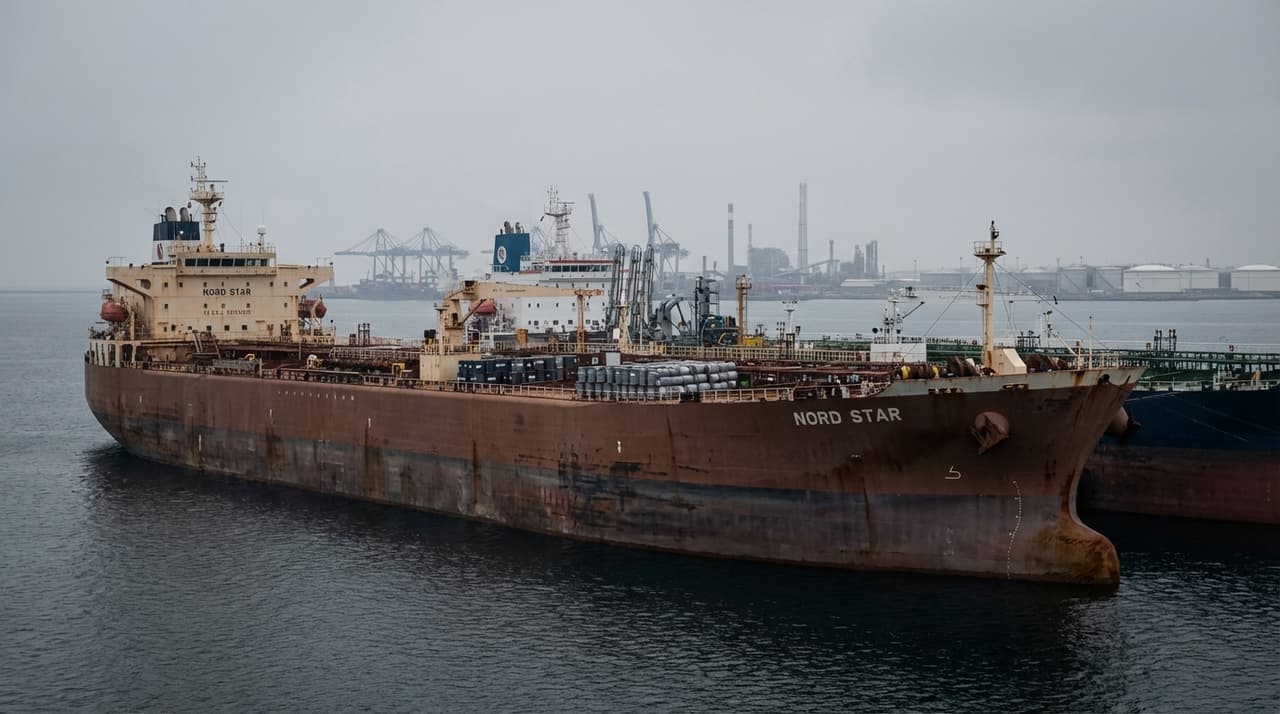
- New OFAC sanctions target four Venezuelan oil companies and vessels, blocking U.S.-linked property and prohibiting dealings.
- Tariffs of 25% on secondary buyers like India, Russia, and Spain aim to curb Venezuelan oil trade, with exemptions for some partners.
- Global oil surplus of 3.8 million barrels per day expected in 2026, amid geopolitical risks and projected declines in U.S. imports.
In a move that underscores a hardening stance on foreign oil imports, the Trump administration has intensified pressure on Venezuela's oil sector with fresh sanctions and tariffs, rather than announcing plans to sell large amounts of U.S. oil abroad. On January 1, 2026, the Treasury's Office of Foreign Assets Control (OFAC) imposed sanctions on four Venezuelan oil companies and vessels—including the Nord Star, Lunar Tide, Rosalind, and Della—for alleged sanctions evasion and ties to President Nicolás Maduro's "shadow fleet," according to people familiar with the matter. These measures block U.S.-linked property and prohibit dealings, effectively chilling Venezuela's oil exports, which are a primary revenue source for the regime.
Efforts to restructure Venezuela's debt have hit a snag, with these sanctions following a "blockade" announcement two weeks prior and U.S. Navy strikes on suspected drug-trafficking vessels, which killed over 100 individuals, sparking international criticism. The administration's tariff policies, including a 25% levy on secondary Venezuelan oil buyers such as India, Russia, and Spain, have been effective or threatened since 2025, with exemptions granted in trade deals like the U.S.-El Salvador agreement from November 2025. Without a deal, Venezuela could face further economic isolation, though the Supreme Court is pending a decision on tariff legality by June 2026, adding uncertainty to enforcement.
Industry-specific elements come into play as the sanctions deter global traders and insurers, with a 50% ownership spillover rule complicating compliance for U.S. firms. The broader economic context reveals a projected 6.6% drop in global U.S. oil imports in 2026, including a 10.7% decline from Mexico and 3.6% from Canada, reducing marine fuel imports to 26.71 million tons in 2025—11% below 2024 levels. This aligns with a global oil surplus of 3.8 million barrels per day expected in 2026, amid heightened geopolitical risks, according to market analysts.
Human touches emerge from brief statements, with Venezuela calling the sanctions "illegal" and risking regional escalation, while experts note an ongoing "campaign of pressure" on Maduro, accused of fueling U.S. drug flows. Attempts to reach out for comments from affected companies were unsuccessful, reflecting the tense atmosphere. The political backdrop includes a March 2025 executive order for tariffs and reciprocal measures, such as 15-25% tariffs on various nations from August to November 2025, targeting the Maduro regime for narco-trafficking.
Looking ahead, short-term impacts may include further declines in U.S. imports and a freeze on Venezuelan exports, with sanctions evasion crackdowns intensifying. Long-term, the oil surplus persists, and court rulings could volatile marine fuels markets, emphasizing the need for regulatory stability. This development marks a shift from prior expectations, focusing on restricting foreign oil rather than boosting U.S. sales, as the administration leverages financial tools to achieve geopolitical aims.