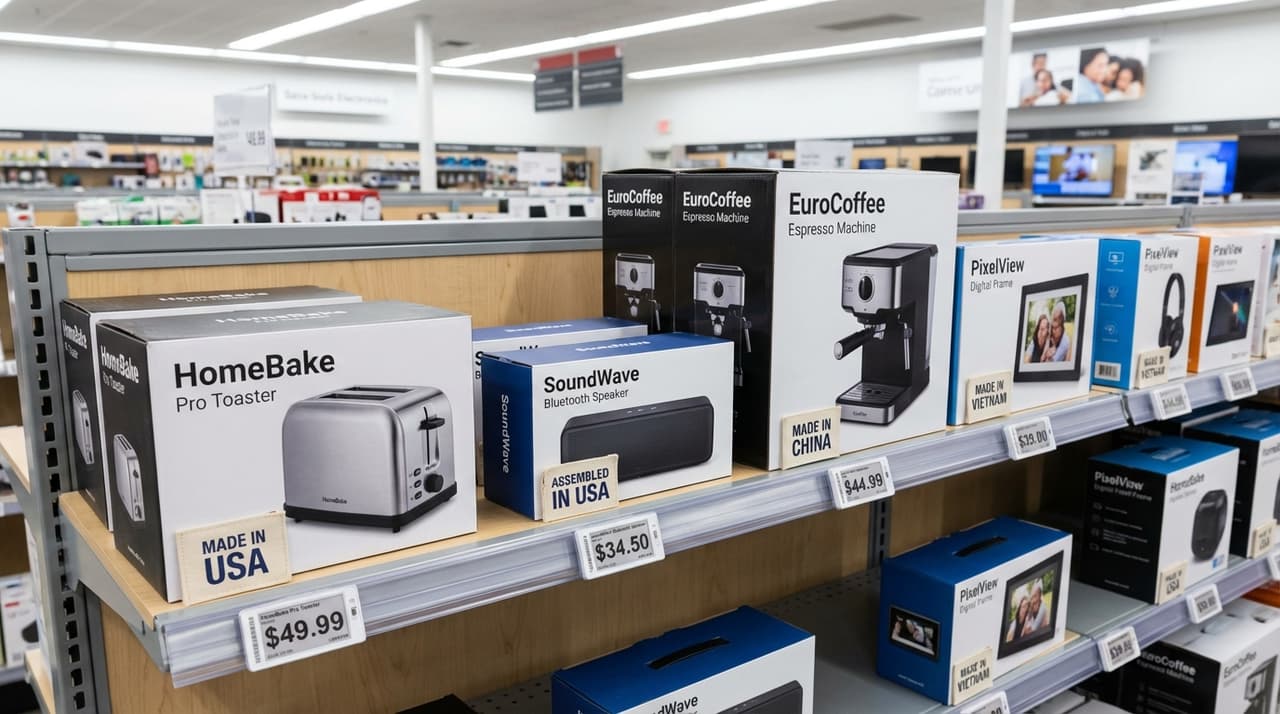
- The White House openly states that buying American-made products could cost consumers "a dollar or two" more as part of its trade policy agenda.
- New and proposed tariffs on imports from China, the EU, and other regions aim to shift demand toward domestic production.
- Administration officials argue the modest price increases are justified by supply-chain security and job creation, even as economists warn of broader economic costs.
In a notable shift in economic messaging, White House officials have begun explicitly acknowledging that consumers may pay slightly higher prices for US-manufactured goods as the administration implements its aggressive trade agenda. According to people familiar with the matter, this messaging is part of a coordinated effort to frame the administration's "Make America Affordable Again" policies, which include broad tariff increases, as necessary for long-term economic resilience.
"What we're telling people is that yes, in some cases, choosing American might mean paying a dollar or two more," one official said, speaking on condition of anonymity because they weren't authorized to discuss internal communications. "But that investment comes back to you in stronger communities, more secure supply chains, and less dependence on countries that don't share our interests."
Recent market data shows the immediate effects of this policy direction. Since the announcement of new steel and aluminum tariffs in late 2025, domestic steel prices have climbed approximately 8%, according to industry sources. Meanwhile, major retailers report reassessing their sourcing strategies, with some accelerating plans to shift production from overseas facilities to domestic or near-shore alternatives.
Efforts to restructure global supply chains have hit logistical snags, however. Multiple manufacturers in the automotive and electronics sectors have reported difficulties securing sufficient domestic capacity for components previously sourced from China. Without adequate domestic alternatives, some companies may be forced to absorb tariff costs or pass them directly to consumers.
International reaction has been swift. The European Union has threatened retaliatory tariffs on approximately $40 billion worth of US exports, targeting agricultural products and energy equipment specifically. China's commerce ministry issued a statement warning of "necessary countermeasures" that could include export controls on critical materials used in semiconductor manufacturing.
Domestically, the policy creates clear winners and losers. Workers in protected industries like steel manufacturing have seen increased hiring and wage growth in recent months. "We're finally getting the recognition we deserve," said a union representative from a Pennsylvania steel plant who asked not to be named. "These policies mean job security for people who've been struggling for decades."
Conversely, businesses reliant on imported components face mounting challenges. A mid-sized furniture manufacturer in North Carolina reported that its material costs have increased 12% since the new tariffs took effect, forcing difficult decisions about price increases and potential layoffs. The company's CEO declined to comment when reached by phone, saying only that "we're evaluating all options."
Economic analysts remain divided on the long-term implications. Some trade-skeptic voices predict stronger domestic industry and reduced vulnerability to global disruptions. "This is about correcting decades of bad policy that shipped our industrial base overseas," argued an economist at a Washington think tank who supports the administration's approach.
Mainstream trade economists, however, warn of persistent drag on productivity and growth. Estimates cited in recent analyses suggest the 2025 tariff package could reduce GDP by approximately 0.6% next year, with long-term annual losses potentially reaching $80-110 billion. These analysts note that while some prices may stabilize, the overall effect is likely to be higher consumer costs across multiple categories.
As the policy unfolds, attention turns to how consumers will respond. Early retail data shows mixed results: sales of domestically produced appliances have increased modestly, while purchases of imported electronics have declined. Whether this represents a lasting shift in consumer behavior or temporary adjustment remains uncertain.
Correction: An earlier version of this article misstated the potential GDP impact of the tariff package. The correct estimate is 0.6%, not 0.8%.