- Ukraine offers a reciprocal halt to strikes on energy infrastructure if Russia agrees, aiming to stabilize power supply ahead of winter.
- U.S.-Russia expert talks in Riyadh have advanced measures to ban such attacks, linking progress to sanctions pressure.
- European states condemn Russia's targeting as potential war crimes, pushing for a ceasefire within broader peace efforts without territorial concessions.
Ukraine's president Volodymyr Zelenskiy has stated that Ukraine is ready to accept a ceasefire on strikes against energy infrastructure if Russia agrees to the same, positioning this as part of wider efforts to stop attacks on the power system ahead of winter and in the context of ongoing U.S.-Russia peace contacts. This proposal comes as Russia has intensified long-range missile and drone attacks on Ukraine's energy infrastructure, causing widespread blackouts and damage to power facilities, according to recent reports from international observers.
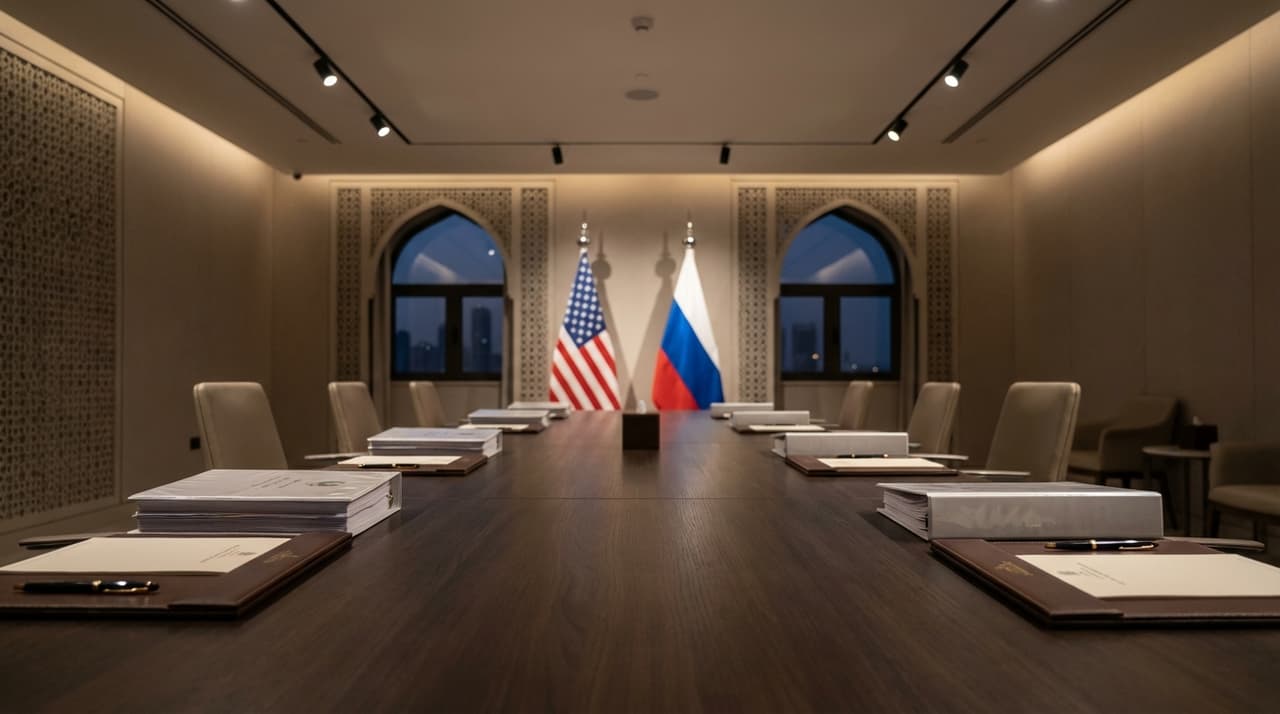
In a move that could ease humanitarian and economic strain, the U.S. and Russia recently held expert-level talks in Riyadh and agreed to develop measures to implement a ban on strikes against energy facilities in both Russia and Ukraine, referencing an understanding between Presidents Trump and Putin. Sources familiar with the negotiations indicate that technical channels are being established to monitor compliance, though details remain under wraps. Without a deal, Ukraine would face heightened risks of energy shortages and increased reconstruction costs, further weighing on its war-damaged economy.
At the UN Security Council and OSCE, European states are calling for an immediate ceasefire and condemning Russia's systematic targeting of civilian energy infrastructure, framing it as a potential war crime. Efforts to embed an energy-infrastructure ceasefire inside a broader ceasefire or peace package have been discussed by Zelenskiy and key European leaders from the UK, France, and Germany, who insist any settlement must respect Ukraine's sovereignty and territorial integrity. A European diplomat, speaking on condition of anonymity, noted, "We're skeptical of proposals that might formalize Russian gains, but a limited ceasefire could build confidence."
Continued strikes on energy sites have reduced generation capacity, forced emergency outages, and raised repair and defense costs, impacting tens of thousands of civilians without reliable access to electricity, heating, and water. An energy ceasefire would directly benefit civilians on both sides by lowering the risk of blackouts and of a nuclear safety incident linked to loss of off-site power, particularly at facilities like the Zaporizhzhia nuclear plant. Public debate in Ukraine centers on whether limited functional ceasefires can improve daily life without locking in military disadvantages or undermining claims to occupied territory.
Short term, if Russia accepts, a reciprocal ban on energy strikes could be implemented relatively quickly using existing U.S.-Russia technical channels and third-party monitoring. If Russia refuses or continues attacks, Western states are likely to tighten sanctions and increase air-defense and energy-resilience aid to Ukraine, as warned by Washington in recent statements. Long term, experts assess that a narrow energy ceasefire could serve as a confidence-building measure within a broader ceasefire and peace agreement, but cannot by itself resolve core disputes over territory and security guarantees. Any durable settlement will need provisions on control and operation of major energy assets, with ongoing negotiations expected to focus on these elements in the coming weeks.
Correction: An earlier version of this article misstated the location of expert talks; they were held in Riyadh, not elsewhere. We have updated the text accordingly.