- Major banks are reducing exposure to AI data center financing amid concerns over construction delays and power supply.
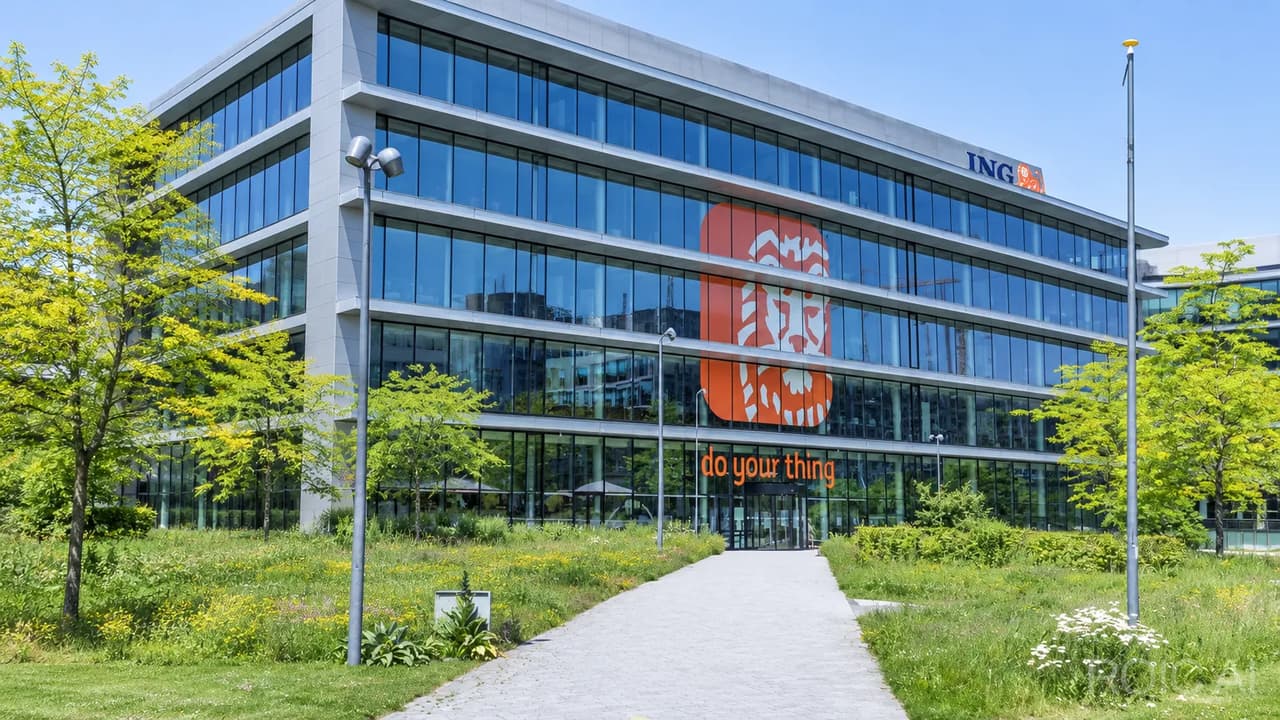
- ING (NYSE:ING) offered $500 million in data center loans for sale, HSBC (NYSE:HSBC) sold $300 million in Stargate-linked loans at a discount, and Société Générale (EURONEXT:GLE) is seeking buyers for $300 million in Oracle (NYSE:ORCL)-related debt.
- The European Central Bank estimates data centers represent just 1.2% of banks' corporate exposures, but increasingly selective lenders could drive up borrowing costs for AI infrastructure.
Banks Trim AI Exposure
Several major banks are moving to offload loans tied to AI data center projects, a sign that lenders are growing more cautious about the sector's construction and power risks. ING has offered approximately $500 million in data center loans for sale, including a $25 million position linked to New Mexico's Project Jupiter and exposure to Vantage and CyrusOne, according to people familiar with the matter. The bank reportedly struggled to attract acceptable bids by a November 19 deadline, prompting it to abandon a portfolio auction in favor of individually negotiated sales. HSBC sold roughly $300 million of an $18 billion construction-financing package for Project Jupiter at prices in the mid-80s percent of face value, while Société Générale has sought buyers for $300 million in Oracle-related project debt associated with projects in Wisconsin and Texas.
The three figures total approximately $1.1 billion of loans sold or offered—not $1.1 billion of losses or necessarily completed disposals. The discounts reflect a repricing of construction risk rather than evidence that banks have stopped financing AI or that borrowers have defaulted.
Construction Delays and Power Constraints
The loans are tied to projects that have faced electricity-supply, permitting, and community-opposition challenges. Oracle sent a force-majeure notice to developer Stack Infrastructure, a Blue Owl (NYSE:OWL)-owned business, seeking protection against certain consequences of setbacks. Oracle has said the project remains on schedule and that such notices do not themselves establish a delay.
"Institutional investors like us are really focused on regulatory stability," said Andrea Valeri, Blackstone (NYSE:BX)'s country chairman for Italy, at a recent conference, though his remarks referred to broader investment conditions, not the data center loans. "Italy in this regard has been on a very steady growth trajectory."
For lenders, the concern is straightforward: if a campus cannot obtain power or begin earning rent when expected, financing must support construction and carrying costs for longer. Oracle's own financing disclosures identify customer funding, construction delays, and implementation problems as risks to its capital requirements.
MUFG Americas (NYSE:MUFG) CFO Mark Thumser told Bloomberg on November 24 that lenders are becoming more selective and investors are demanding wider spreads and better terms, even while computing demand remains strong. The European Central Bank estimates data centers represent just 1.2% of banks' corporate exposures, suggesting limited systemic risk. Still, increasingly selective lenders could drive up borrowing costs for the AI infrastructure boom.
Profitable Banks, Selective Lending
The sales come despite strong recent results at the banks involved. ING reported third-quarter net profit of €1.85 billion, up 3.5% year over year, while HSBC's third-quarter pretax profit rose approximately 32% to $9.6 billion. Société Générale posted third-quarter revenue of €7.173 billion, up 7.8%, with group net income of €1.888 billion.
Oracle, the key technology counterparty connecting several projects, reported fiscal first-quarter 2027 revenue growth of 30% to $19.345 billion, with cloud-infrastructure revenue up 121% to $7.4 billion. The company said on November 23 that it had secured funding needed to meet its OpenAI infrastructure commitments. Reports also quoted Oracle as saying its Abilene campus was nearly complete and its Shackelford facility had received required approvals.
The evidence points to selective exposure management rather than bank-wide distress. Investors are distinguishing among projects: Société Générale's Oracle-related loans were reportedly quoted above 90 cents on the dollar, stronger than the troubled New Mexico debt. The most informative next indicators will be actual execution prices for ING's and Société Générale's loans, Project Jupiter's power and permitting milestones, and whether discounts remain concentrated in troubled projects or spread to otherwise well-positioned campuses.