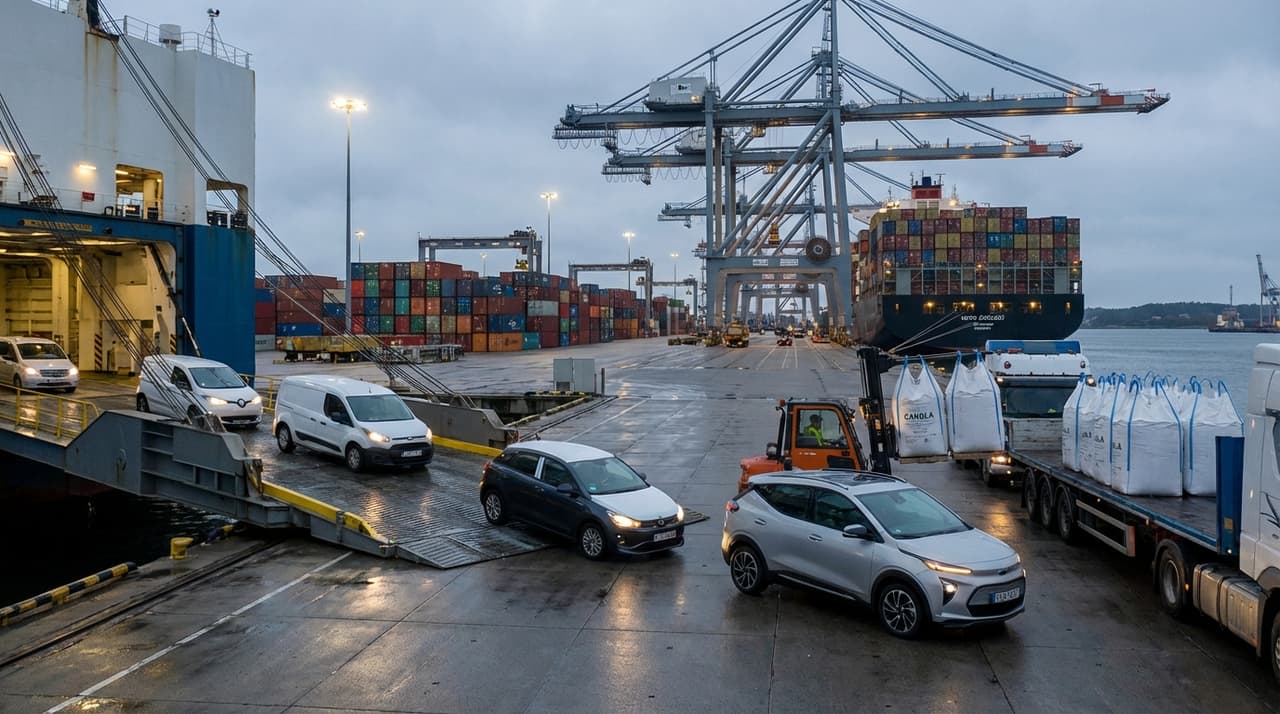
- Canada will reduce tariffs on Chinese electric vehicles to 6.1% with an annual import cap of 49,000 units, increasing to 70,000 by year five.
- China will lower retaliatory tariffs on Canadian canola from 85% to approximately 15% by March 1, 2026, reopening a key market for agricultural exports.
- The deal marks a strategic shift away from U.S. alignment under Prime Minister Mark Carney, aiming to double non-U.S. trade within a decade amid global trade disruptions.
A Landmark Trade Shift
Canada has struck a preliminary but landmark agreement with China to significantly cut tariffs on Chinese electric vehicles in exchange for Beijing easing punitive duties on Canadian agricultural products, particularly canola. Announced by Prime Minister Mark Carney on Friday after meetings in Beijing, the deal signals a thaw in relations after years of tension and represents a notable departure from previous policy under former Prime Minister Justin Trudeau, who had aligned with the United States in imposing 100% tariffs on Chinese EVs.
According to people familiar with the matter, the agreement allows up to 49,000 Chinese EVs to be imported annually under a most-favored nation tariff rate of 6.1%, up from the previous 100% tariff implemented in October 2025. This cap is set to increase to 70,000 vehicles by year five, effectively returning to 2023 import levels. On the agricultural front, China will reduce its combined duty rate on Canadian canola from 85% to around 15% by March 1, 2026, a move expected to revitalize an industry that had been devastated by Beijing's retaliatory measures.
Strategic Realignment and Stakeholder Reactions
Carney's government launched an informal review of tariff policy after China's canola tariffs effectively closed Canadian access to the Chinese market, with overall exports to China falling 10.4% to $41.7 billion in the previous year. The deal aligns with broader geopolitical realignment, as Carney prioritizes reduced reliance on the American market amid Trump's "America-first" trade approach. China is Canada's second-largest trading partner, with total annual bilateral trade valued at C$118 billion, making this agreement a critical step in diversifying economic partnerships.
Stakeholder reactions have been mixed. Saskatchewan's premier, who accompanied Carney to Beijing, is expected to support the canola tariff reduction, highlighting agricultural gains. However, Ontario Premier Doug Ford has expressed strong concerns, stating, "We can't back down, simple as that," though he indicated willingness to discuss tariff reductions if Chinese companies establish major manufacturing facilities employing Canadian workers. American and Canadian lawmakers and union leaders argue that cheap Chinese EV imports threaten the North American auto industry's future, but Carney has downplayed these risks, noting that even 70,000 Chinese EVs annually represent "still in low, single-digit proportion" of Canada's ~1.8 million annual vehicle purchases.
Broader Implications and Future Outlook
Carney's visit marks the first Canadian prime ministerial visit to China in eight years, with Chinese leader Xi Jinping stating that their October 2025 meeting "opened a new chapter in turning China–Canada relations toward improvement." The agreement reflects China's broader strategy to exploit American trade pressure on allies, as the U.S. president had suggested Canada could become the 51st state. Meanwhile, Mexico's Senate recently approved a 50% tariff on Chinese EVs effective January 1, 2026, further isolating Canada's policy position in North America.
Efforts to finalize the deal are ongoing, with Carney planning to visit Qatar and attend the World Economic Forum in Switzerland to promote additional trade and investment opportunities. Without this agreement, Canada would have faced continued economic strain from retaliatory tariffs, but the preliminary nature suggests potential for expansion or modification as relations develop. As one analyst put it, "This is a positive step towards the right direction," echoing sentiments from China's commerce ministry officials, though challenges remain in balancing automotive industry concerns with broader trade diversification goals.