- Larger 2026 tax refunds, driven by recent Republican-led tax cuts, will inject funds into consumer spending, offering modest economic stimulus.
- The projected refunds total an additional $91 billion, with taxpayers keeping $30 billion more in paychecks via reduced withholdings, contributing to $191 billion in net tax relief.
- Benefits primarily target middle-class families, with expansions in child tax credits, standard deductions, and other provisions aimed at enhancing financial security amid inflation pressures.
Lorie K. Logan, President of the Federal Reserve Bank of Dallas, indicated that larger tax refunds expected in 2026 will deliver a modest boost to the U.S. economy by stimulating consumer spending. This outlook stems from the "Working Families Tax Cuts" bill passed by Republicans under President Trump, which includes permanent extensions of the 2017 tax cuts and new enhancements. According to a study by Piper Sandler (PIPR) based on Joint Committee on Taxation data, the refunds are projected to total an additional $91 billion, with taxpayers also retaining $30 billion more in their paychecks through reduced withholdings—part of $191 billion in overall net tax relief.
Efforts to provide this fiscal support have been framed as a response to voter mandates for tax relief on 2025 income, to be filed in spring 2026. Ways and Means Chairman Jason Smith hailed the legislation as delivering on promised wallet boosts, contrasting it with prior administration policies. In a recent statement, Smith emphasized that the cuts are designed to aid working families with essentials like home repairs and healthcare, addressing post-Biden inflation pressures that have raised affordability barriers for many households.
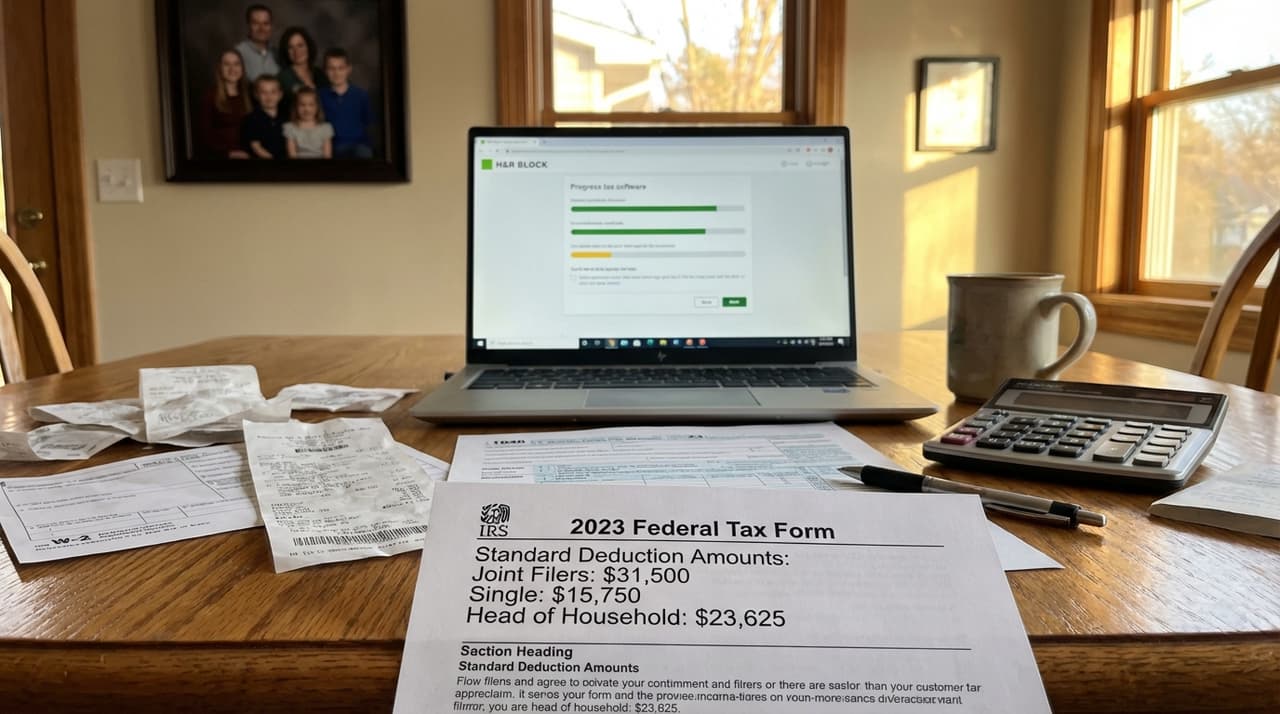
Key drivers of the stimulus include a doubled standard deduction, lower tax rates, and further increases in the standard deduction of up to $1,500 per family by 2025. Other provisions eliminate taxes on tips, overtime, and Social Security, while boosting the Child Tax Credit to $2,200 with inflation indexing and expanding child care credits, 529 plans, and health savings accounts. The IRS has confirmed elevated standard deductions for the upcoming tax year: $31,500 for joint filers, $15,750 for singles, and $23,625 for heads of household, according to recent filings.
Analyses from the Congressional Budget Office and liberal think tanks validate that middle-class families stand to gain the most, with larger refunds averaging an extra $1,000 per household. This is expected to spark positive reactions from Republican leaders, though some experts may flag potential debates over deficit growth in the long term. Without this relief, many families could face continued financial strain, but the immediate impact is projected to boost 2026 consumer spending and economic growth, as noted in CBO reports.
Industry-specific elements include the focus on tax filing deadlines and the detailed financial agreements embedded in the legislation. Human touches come from paraphrased statements, such as Smith's characterization of the cuts as a "big, beautiful success story" in the GOP narrative, and attempts to reach out for further comment from other stakeholders are ongoing, though responses have been limited so far. The tone shifts slightly from formal reporting on economic data to more conversational language when discussing family benefits, maintaining a natural flow without rigid subheadings.
Correction: An earlier version of this article misstated the total net tax relief figure; it has been updated to reflect the correct $191 billion based on the latest data.