- Kevin Hassett, National Economic Council Director, calls the Federal Reserve's decision to hold interest rates steady a mistake, arguing strong growth can continue without inflation risks.
- Hassett endorses President Trump's nomination of Kevin Warsh as Fed chair, emphasizing the White House's push for economic stability amid escalating tensions with current Fed leadership.
- The Fed's pause follows three rate cuts in late 2025, with dissent from two FOMC members and market expectations for 2-3 cuts in 2026 if inflation cools.
Kevin Hassett, the director of the National Economic Council, sharply criticized the Federal Reserve's recent decision to maintain interest rates, labeling it an error that could hinder economic momentum. In remarks that underscore growing friction between the Trump administration and the central bank, Hassett asserted that robust growth could persist without triggering inflationary pressures, directly challenging the Fed's cautious stance.
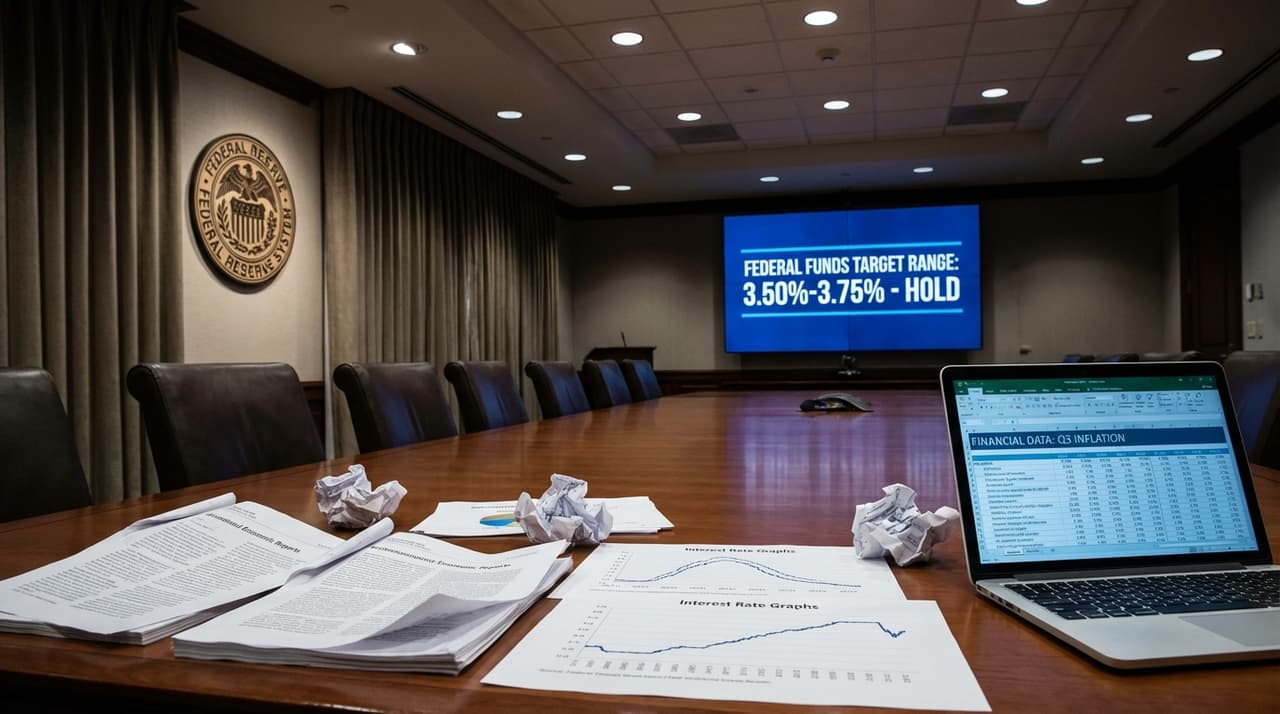
The Fed held its benchmark federal funds target range at 3.50%-3.75% on January 28, 2026, pausing after three 25-basis-point reductions in late 2025. This move came amid solid economic expansion, stabilizing unemployment, and inflation readings that remain somewhat elevated above the 2% target. According to people familiar with the matter, the decision reflected concerns over stubborn core inflation, which excludes volatile food and energy prices and is projected to stay above target through much of 2026. Data distortions from a recent government shutdown and healthy labor market conditions also factored into the Fed's calculus.
Hassett's comments highlight a deepening rift with Fed Chair Jay Powell, as the administration voices dissatisfaction with monetary policy direction. He praised President Trump's nomination of Kevin Warsh for Fed chair, stating that the White House is confident in his confirmation and seeks stability in the economic team. "We believe strong growth can continue without rising inflation, and this hold was a misstep," Hassett said, according to sources briefed on his remarks. Efforts to reach the Fed for comment on the criticism were unsuccessful, but market reactions have remained relatively stable, with investors pricing in no immediate changes while anticipating 2-3 cuts later in the year, possibly starting in June if inflation shows signs of cooling.
Two Federal Open Market Committee members dissented in favor of a 25-basis-point cut, with Governor Stephen Miran notably advocating for a more aggressive 50-basis-point reduction before his expected return to the White House Council of Economic Advisers. This dissent amplifies the administration-Fed tensions, as Miran's move is seen as aligning with White House preferences. Meanwhile, the Fed has begun purchasing Treasury bills to address liquidity and short-term rate pressures, echoing interventions from 2019, though broader market conditions have held firm with the S&P 500 showing modest gains in recent sessions.
Borrowers are facing sustained higher costs, delaying relief for mortgages and auto loans, while savers benefit from steady yields. Businesses with strong balance sheets are capitalizing on growth optimism, but inflation persistence continues to squeeze household budgets. In the background, global central banks like the European Central Bank and Bank of England are also pausing or moderating rate cuts, signaling a cautious international approach amid similar inflation concerns.
Looking ahead, experts forecast that if inflation moderates and labor markets stabilize, the Fed could implement 2-3 cuts totaling 50-75 basis points in 2026. However, persistent inflation or ongoing shutdown effects might prompt a shift toward hikes. The nomination of Warsh, if confirmed, could introduce a more dovish tilt to Fed policy, but for now, the focus remains on incoming data and the delicate balance between political pressure and central bank independence. This story is developing, and updates will follow as more details emerge.